Bikram Yoga Teacher Training: What It Really Means Today
By Ian Terry, E-RYT 500 · Updated
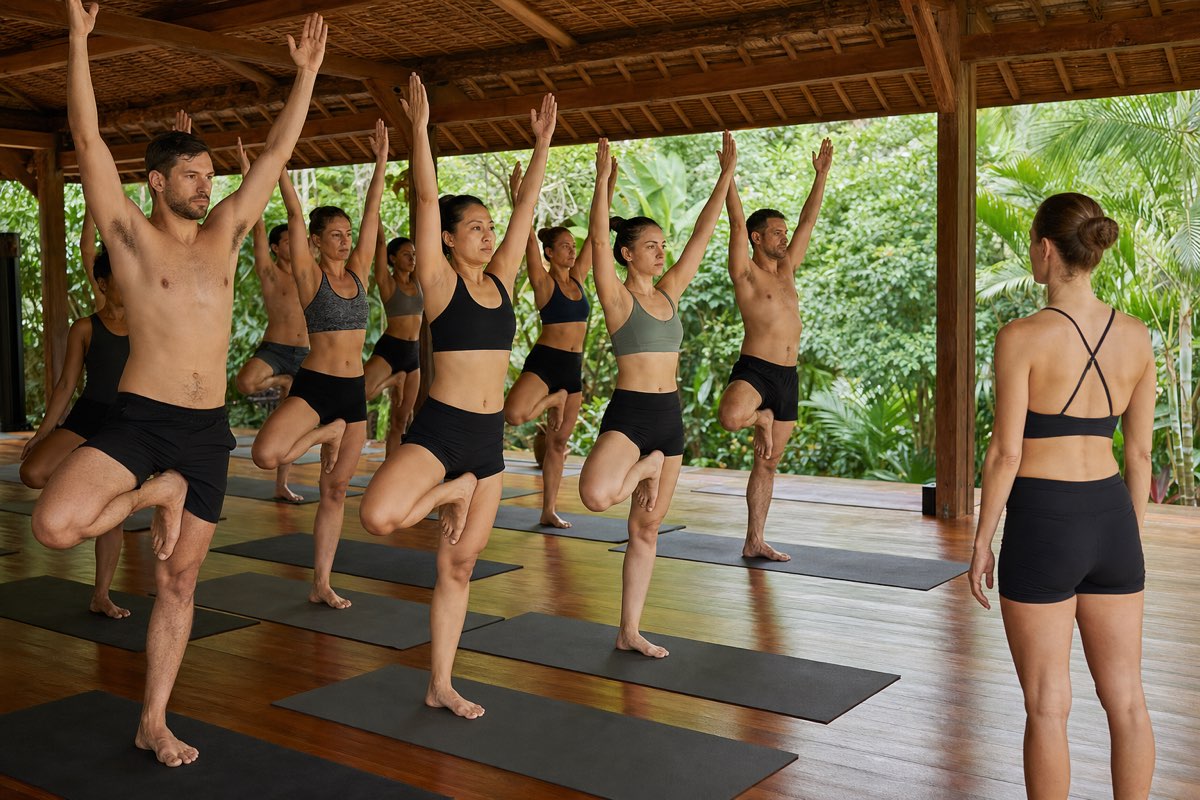
Bikram yoga teacher training prepares teachers to lead the fixed 26-posture and two-breathing-exercise sequence in a heated room. Today, independent schools run their own programs rather than reporting to one universal certification authority. A common professional pathway combines Yoga Alliance RYT 200 education with method-specific Bikram Hot 26&2 certification.
The word "Bikram" can create understandable confusion. Some readers assume every program must come from the method's original founder. Others assume any course using 26 poses is equivalent. Neither assumption is a sound way to choose professional training. The curriculum, instructor, practical assessment, credential wording, environment, price, and graduate evidence all need separate examination.
This guide explains what the training means now, what the 2015 court decision did and did not decide, and how to compare an independent program without relying on an "official" label alone. It also distinguishes the student's RYT 200 outcome from the lead trainer's personal credential. They are not interchangeable. For a product-level comparison of formats, curriculum, certification, and total cost, use the Bikram hot yoga course buyer's guide. To evaluate graduation, pass-rate, and career claims, use the Bikram yoga training school success-rate guide.
Is Bikram Yoga Teacher Training Still Available?
Yes, Bikram yoga teacher training remains available through independent schools. The practical method is still taught: 26 postures and two breathing exercises in a fixed order, traditionally completed in 90 minutes in a heated room. What has changed is that applicants encounter programs with different organizations, trainers, schedules, and credential structures rather than one universally controlling school.
The legal point is narrower than many summaries suggest. In Bikram's Yoga College of India v. Evolation Yoga, the Ninth Circuit held that the sequence was not eligible for copyright protection. The court treated it as an idea, process, or system and also rejected copyright protection for it as a compilation or choreographic work.
That ruling means copyright in a book describing the sequence does not create an exclusive right to perform the sequence itself. It did not decide every question involving the word Bikram, trademarks, business affiliation, or the quality of a certification. A school should therefore describe its status and credential accurately instead of using the copyright decision as a blanket legal claim.
For a prospective student, the useful question is not simply "does Bikram still do teacher training?" Ask who operates the program today, who teaches it, which sequence and dialogue are studied, how teaching ability is assessed, what certificate is awarded, and whether the school clearly explains any independence from the original founder.
An independent program can be rigorous or weak. Central affiliation is not a substitute for evidence, and independence is not proof of quality. The applicant must examine the actual educational work. That includes supervised teaching, feedback, trainer experience, class environment, cohort size, curriculum, and transparent completion standards.
What Bikram Yoga Teacher Training Actually Involves
The core subject is the Original Hot 26&2 sequence. Trainees learn all 26 postures, the two breathing exercises, their fixed order, and the architecture of the 90-minute class. They study how the standing series prepares the body and attention for the floor series, how transitions affect timing, and how to maintain a consistent class without turning repetition into autopilot.
Traditional teaching uses scripted verbal dialogue. The instructor leads through words, does not demonstrate the postures, and does not use music. This changes the skill being trained. The teacher must know the material well enough to watch the room, project clearly, pace instructions, and notice how different students respond while the class continues.
Dialogue memory alone is not enough. A credible curriculum connects each phrase to posture mechanics and observable action. Trainees need anatomy, teaching methodology, professional scope, communication, heat awareness, ethics, practice teaching, correction, and assessment. They also need to understand when a student question belongs with a healthcare professional rather than a yoga teacher.
A controlled study by Tracy and Hart in 2013 examined physical changes after eight weeks of Bikram practice and reported gains in strength and flexibility in the studied group. The research concerns the practice, not teacher-training quality. It does, however, show why teachers need more than memorized posture names to understand the physical task they lead.
Research results do not guarantee individual outcomes. Yoga is not a substitute for medical care, and a teacher should not promise that the sequence will diagnose, treat, or cure a condition. Professional training should make that boundary explicit.
The certification outcome also needs precise language. RYT 200 is the student-facing Yoga Alliance registration pathway after qualifying education. Bikram Hot 26&2 certification records method-specific study. The lead trainer's E-RYT 500 credential describes that trainer's own education and experience. It does not turn every graduate into an E-RYT 500.
For a direct comparison with broader heated formats, read how Bikram compares with other hot yoga teacher training. Room temperature alone does not tell you whether a course teaches the fixed sequence, scripted dialogue, or a variable heated flow.
How Much Does Bikram Yoga Teacher Training Cost?
Industry prices vary because programs with different purposes use the same broad language. A short online continuing-education add-on may cost a few hundred dollars. A residential or destination intensive can cost several thousand before accommodation and travel. Those options are not directly comparable until you identify the training hours, live practice, assessment, credential, and inclusions.
YogaFX lists a flat tuition price of USD 1,699 for its hybrid program and six-day practical intensive. Cohorts are capped at 19. The fee should be evaluated alongside flights, accommodation, meals, visa costs, insurance, transport, and income lost while away from work.
Ask whether manuals, online access, assessment, resits, required practice classes, and certificate fees are included. Request refund and deferral terms in writing. A low deposit can hide a high final total, while a higher headline tuition may bundle items another school charges separately.
Use the full hot yoga teacher training cost breakdown to build a complete comparison. Price only becomes meaningful when it is connected to trainer access, teaching repetitions, feedback, assessment, and the exact credential you expect to receive.
How Long Does Bikram Yoga Teacher Training Take?
Many applicants assume a 200-hour course must take several consecutive weeks. Traditional formats often spread study across weekends or use a multi-week residential schedule. Hybrid formats separate preparation from the practical block, so the number of days at the destination does not equal the complete educational workload.
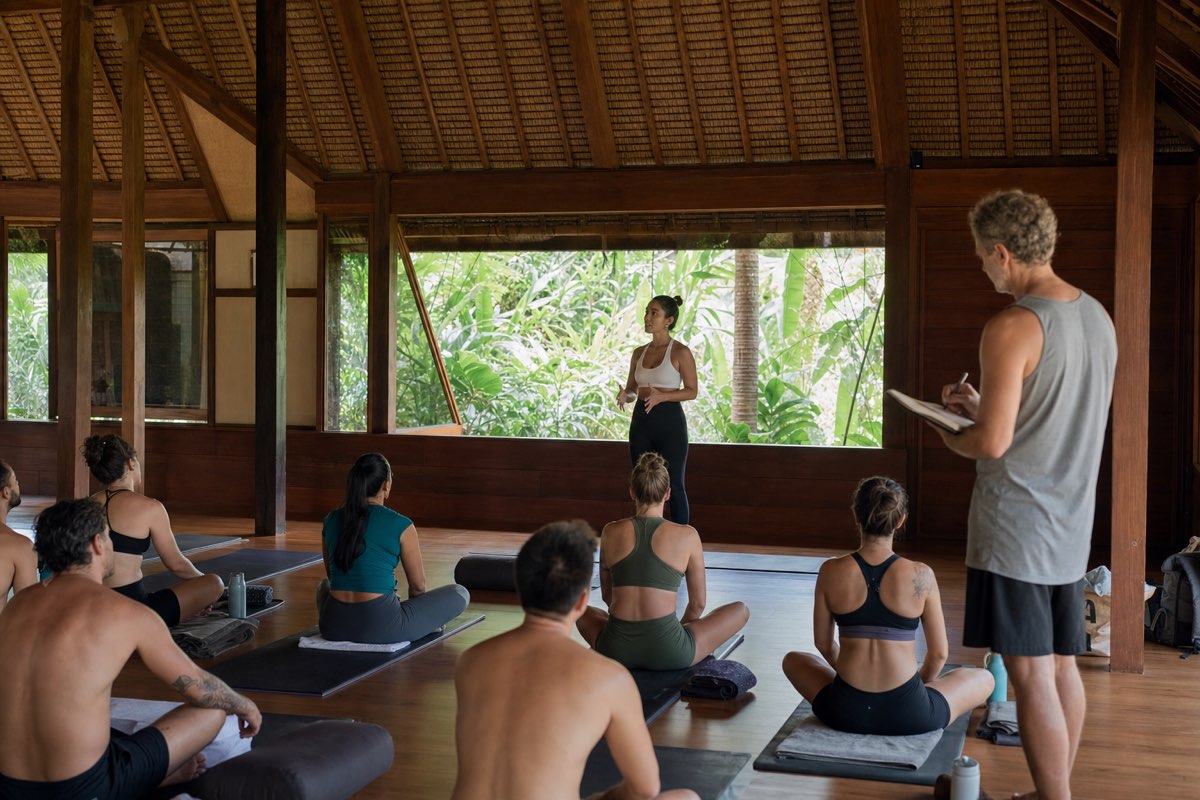
The YogaFX structure begins with online preparation and continues with a six-day intensive in Bali. Students arrive familiar with sequence order and dialogue fundamentals. Practical days can then focus on live classes, posture clinics, teaching drills, observation, voice, feedback, and assessment instead of using travel time for first exposure to material that can be studied at home. See the complete Bikram yoga teacher training hybrid format and cost guide for a stage-by-stage comparison.
This is a condensed schedule, not permission to skip preparation. The complete RYT 200 pathway includes the online phase and the Bali MasterClass. A reader should ask how required work is documented, when it must be completed, what happens if a trainee arrives unprepared, and which competencies must be demonstrated before certification.
Intensity also affects the decision. Six focused days reduce time away from work and home, but they demand concentration, physical preparation, recovery, and openness to repeated correction. A longer part-time course may suit someone who learns best with more space between teaching attempts. Format should serve learning, not simply speed.
Career and Earning Potential After Bikram Yoga Teacher Training
Bikram yoga teachers do not receive one universal salary. Pay varies by country, city, studio, experience, class length, specialist demand, employment status, and the number of classes a teacher can sustain. A certificate opens a professional path, but it does not guarantee a job, schedule, income, or visa.
Many new teachers begin with a small weekly schedule while keeping other work. Some later add private sessions, workshops, retreats, mentoring, or studio responsibilities. Each income stream brings costs such as travel, insurance, tax, marketing, room hire, cancellations, and continuing education.
The realistic yoga teacher salary guide explains the variables behind teaching income. You can then model your own country, class rate, experience tier, schedule, and working weeks with the Bikram yoga income calculator. Treat the result as gross estimation, not a promise.
If you have not selected a certification path yet, follow the step-by-step guide on how to become a certified yoga instructor. Career planning is stronger when training cost, realistic class volume, and local hiring expectations are considered together.
Is Bikram Yoga Teacher Training Legitimate? How to Evaluate Common Concerns
Skepticism is reasonable. A polished website, a 200-hour label, or the word international does not prove teaching quality. Independent programs should be evaluated through evidence that a student can verify before paying.
Start with the lead instructor. Look for a full name, relevant credentials, actual teaching hours, method experience, and clarity about who delivers the course. Ask whether the featured trainer observes your teaching personally or whether most contact is delegated.
Then inspect the curriculum and assessment. How many times do trainees teach? Are they corrected and asked to repeat? Is there an assessment rubric? Can a student fail or need more practice? Does the course teach professional scope and heated-room safety alongside dialogue?
Graduate outcomes should be specific and traceable. Real third-party reviews matter more when they describe posture clinics, dialogue feedback, teaching real students, trainer access, or work after graduation. A large review count is useful context, but applicants should read the experiences behind the stars.
The evidence base for heated yoga also deserves accurate treatment. A 2025 systematic review by Willmott and colleagues assessed 43 studies with 942 participants. It found research across physical and psychological outcomes, while study methods and populations varied. That is a reason to cite measured evidence carefully, not to turn every reported benefit into a guarantee.
Finally, ask the school to state its independence, issuing organization, and certificate scope in plain language. A credible program should not need legal ambiguity or exaggerated health claims to explain what it teaches. Individual results vary, and yoga is not a substitute for medical care.
The YogaFX Bikram Yoga Teacher Training Approach
Mr. Ian Terry, E-RYT 500, leads the YogaFX program. He has more than 12,000 teaching hours, completed five direct training events under Bikram Choudhury between 2012 and 2019, and has trained 1,000+ graduates from over 80 countries. His E-RYT 500 credential remains distinct from the RYT 200 pathway offered to qualifying students.
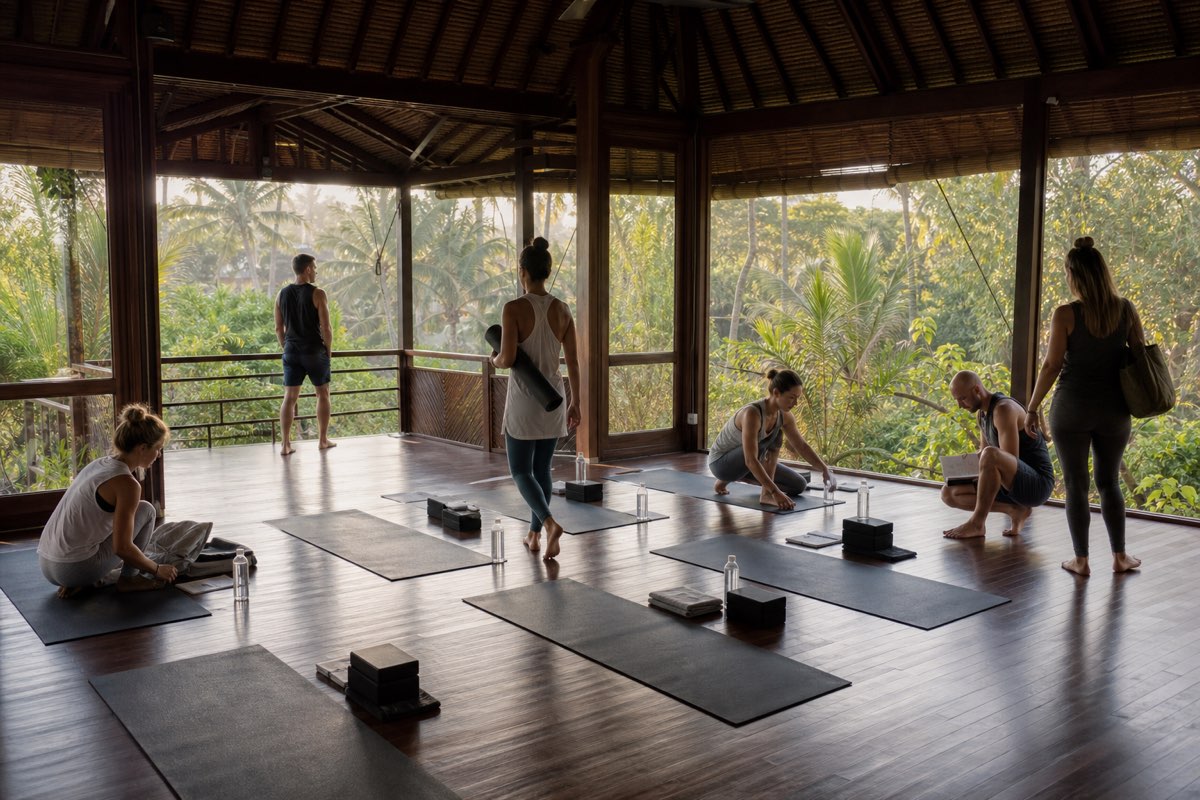
Practical training uses the Seminyak and Canggu studios in Bali. The environment relies on natural tropical heat rather than electric heaters, with a target of approximately 40°C and 40% humidity. The method uses a fixed 90-minute sequence, scripted verbal dialogue, no teacher demonstration, and no music.
Cohorts are limited to 19 so trainees can receive individual observation and correction. The practical block runs for six intensive days after online preparation. Successful graduates receive dual certification: Yoga Alliance RYT 200 plus Bikram Hot 26&2 certification. Tuition is USD 1,699.
The academy reports 500+ reviews across Google, Yoga Alliance, and YouTube. Applicants should read them for evidence about trainer access, dialogue correction, actual teaching, and the transition from preparation to assessment. Numbers are most useful when the underlying experiences answer the questions that matter to you.
Several named graduate outcomes demonstrate how that preparation can develop over time. Ivara Candra Kartika and Arkan Fauzan Riyanto progressed from YogaFX training into representing Indonesia as medal-winning Yogasana athletes at national and international events. Slamet Ariyanto progressed into national organizational and team-management roles. YogaFX reports 12 medals across its wider national, Asian, and world championship record. These results support the academy's alumni evidence, while remaining exceptional personal achievements rather than certification guarantees.
“Thanks to Mr. Ian’s guidance and support, I now feel confident in my teaching.”
The location-focused guide explains the practical context of training in Bali. Review it alongside curriculum, cost, travel, readiness, and career goals before committing. Natural heat and destination appeal should support a sound educational decision, not replace one.
Watch YogaFX Bikram Hot 26&2 Teacher Training in Bali
The World's No.1 Bikram Hot 26&2 Yoga Teacher Training RYT 200H In Beautiful Bali - YogaFX
See behind-the-scenes footage from an earlier YogaFX Bikram Hot 26&2 teacher training cohort and the practical Bali environment used to develop teaching skill.
Do you have what it takes to become a great Bikram Hot Yoga teacher? Complete the short YogaFX readiness quiz to understand where you are on your teaching path and receive more personalized guidance.
Video context: this recording promotes an earlier seven-day format and January intake. The current YogaFX pathway combines online preparation with a six-day practical MasterClass; confirm current dates and inclusions before booking.
If the method, schedule, and credential match your goals, review the full training program and use the site's readiness quiz to register your interest. Ask direct questions about preparation, assessment, current dates, inclusions, and how your existing practice fits the intensive.
Frequently Asked Questions
Is Bikram yoga teacher training still available today?
Yes. A 2015 Ninth Circuit ruling held that the 26-posture and two-breathing-exercise sequence is not protected by copyright. Independent schools can teach that sequence, but the decision did not determine trademark rights or create one certification authority. YogaFX offers independent RYT 200 plus Bikram Hot 26&2 training in Bali.
How much does Bikram yoga teacher training cost?
Costs vary widely across the industry, from a few hundred dollars for short online add-ons to several thousand for immersive in-person intensives. YogaFX's 6-day intensive in Bali is a flat USD 1,699, capped at 19 students per cohort.
How long does Bikram yoga teacher training take?
Traditional 200-hour formats often run several weeks part-time. YogaFX offers a 6-day full intensive format instead, covering the same dual RYT 200 and Bikram Hot 26&2 certification in a condensed, immersive schedule in Bali.
How do I know if a Bikram yoga teacher training program is legitimate?
Look for named, credentialed lead instructors with verifiable teaching hours, transparent graduate outcomes, and real third-party reviews. Mr. Ian Terry, E-RYT 500, has 12,000+ teaching hours and 1,000+ graduates from 80+ countries, with 500+ reviews across Google, Yoga Alliance, and YouTube.
Is YogaFX's training an official Bikram Choudhury Teacher Training?
No. YogaFX offers independent Bikram Hot 26&2 teacher training, not an official Bikram Choudhury Teacher Training program. Training takes place at YogaFX's own studios in Seminyak and Canggu, Bali, under natural tropical heat rather than an affiliated central program.
How much can I earn as a Bikram yoga teacher?
Earnings vary significantly based on studio, region, class volume, and experience, so there is no single reliable figure. Graduates typically supplement teaching income with private sessions, workshops, or studio ownership over time as they build a client base.