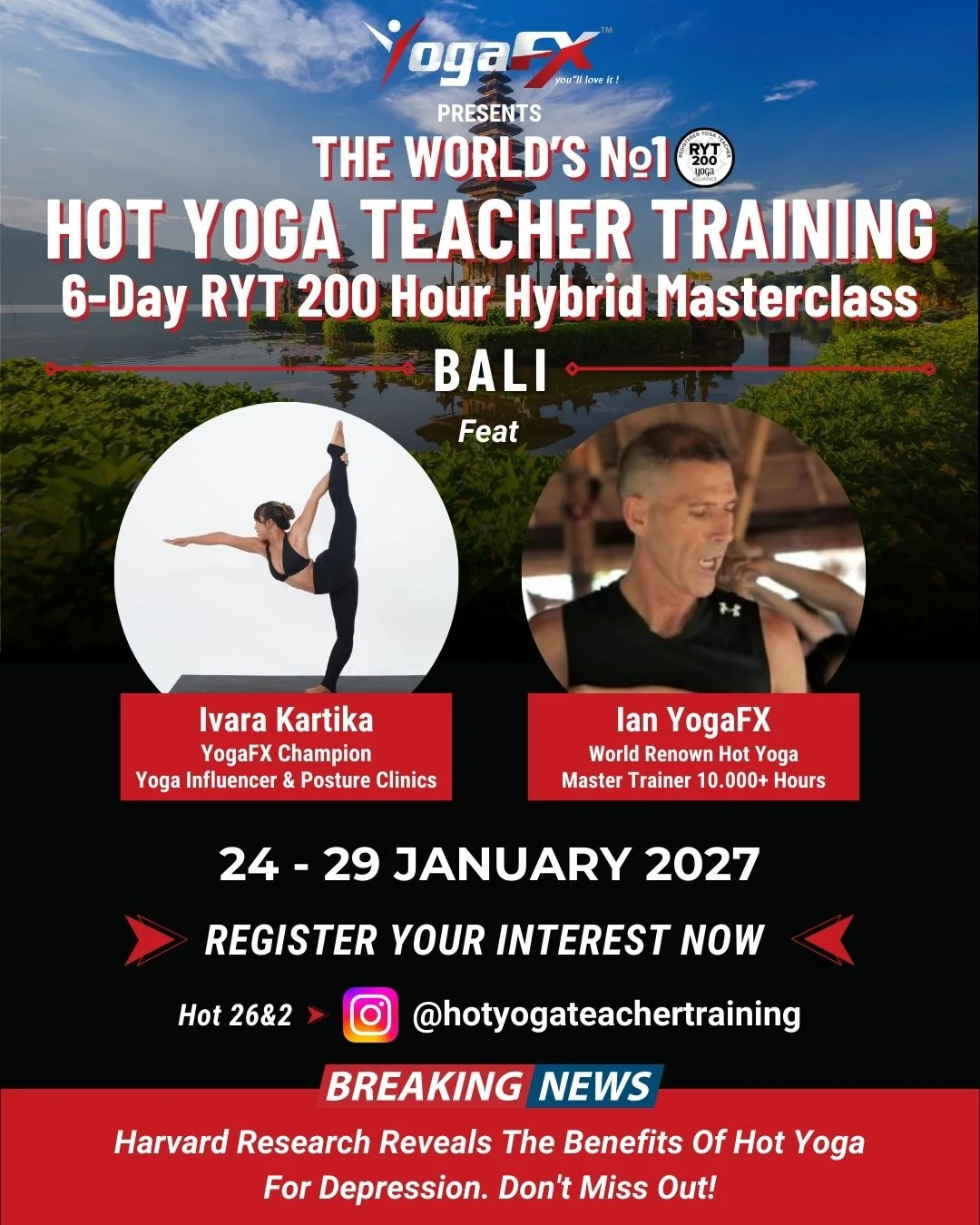
Hot Yoga Teacher Training in Bali: Why the Original 26&2 Method Starts Here
By Ian Terry, E-RYT 500 · Updated
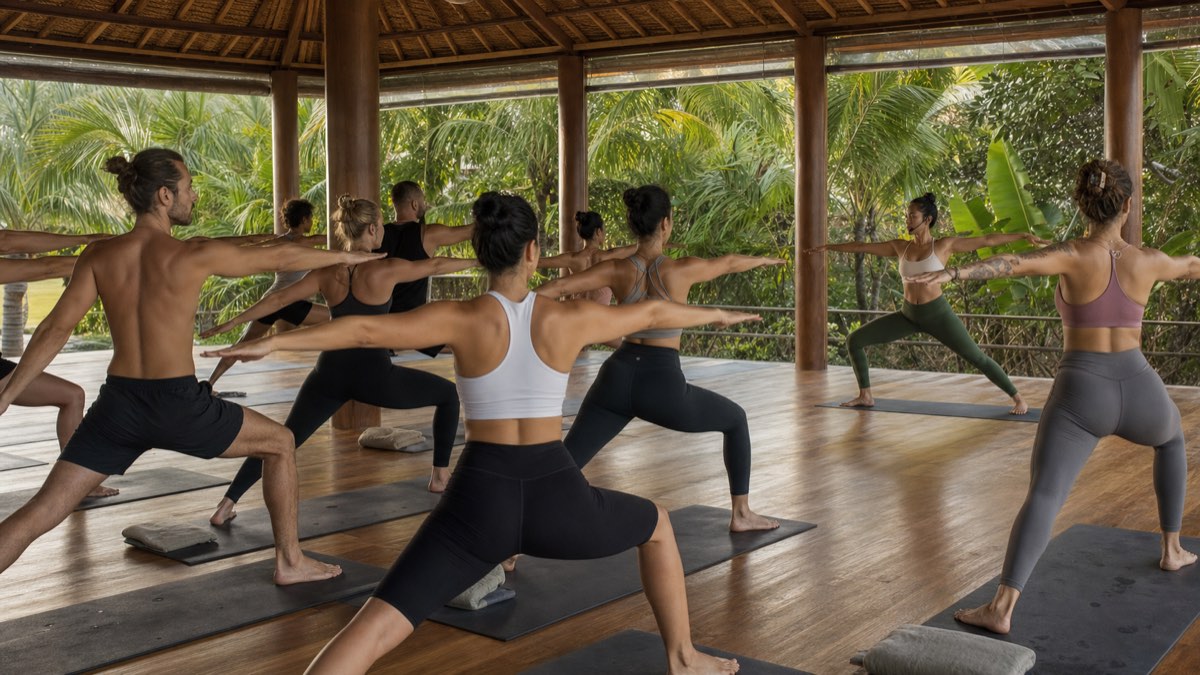
Hot yoga teacher training Bali searches connect two things that belong together: an exact teaching lineage and a naturally tropical practice setting. Bali lets trainees study heated yoga in real warmth rather than inside a room driven only by electric heaters. The location alone is not enough, though. A credible course must still explain which sequence it teaches, who trained the instructor, how teaching skill is assessed, and what certificate a graduate actually earns.
What Makes Hot Yoga Teacher Training Different?
The label "hot yoga" can describe almost any yoga class held in a heated room. One studio may teach a flowing sequence at 32°C. Another may change the poses each week. Music, demonstrations, class length, humidity, and teacher language can all vary. That flexibility is useful for some students, but it tells you very little about the method a teacher training will prepare you to lead.
Original Hot 26&2 Yoga is narrower and more demanding to teach with accuracy. Every 90-minute class follows the same 26 postures and two breathing exercises. The room is maintained around 40°C with 40% humidity. Teachers use a scripted verbal dialogue without demonstrating and without music. Because the external structure stays consistent, the teacher must learn to watch individual bodies, control timing, give concise cues, and keep the whole room moving together.
Lineage matters here because a fixed method is passed through details. A trainer should be able to explain where the dialogue came from, why the order stays fixed, what must not be improvised, and how to respond when a student needs a safer option. If you are comparing Bikram hot yoga teacher training with a general heated course, read our Bikram vs hot yoga training comparison. It separates the room temperature from the teaching system.
Research does not make one program "the best" by itself, but it helps keep claims grounded. A 2025 review of Bikram yoga research reported potential changes across fitness and wellbeing outcomes while also noting limitations in the evidence base. You can read the peer-reviewed Bikram yoga review. Results vary, and heated practice is not medical treatment. Consult a healthcare professional before training if you have a health condition, are pregnant, take medication that affects temperature regulation, or are unsure about heat exposure.
The best hot yoga teacher training for you is therefore not the course with the strongest slogan. It is the course whose method matches the class you intend to teach. Start with the complete guide to choosing hot yoga teacher training if you still need to compare formats, credentials, workload, and warning signs across the wider market.
Why Bali Is the Original Setting
Bali changes the experience before the first posture begins. Step into an open tropical studio in Seminyak or Canggu and the warmth is already present in the timber, air, and humidity. At the YogaFX studios, that tropical climate supplies the heat. Electric heaters are never used. The room target remains 40°C and 40% humidity, but the environment feels connected to the island rather than manufactured by equipment mounted above the mats.
That does not make the heat effortless. A naturally warm room still places real demand on hydration, concentration, and pacing. Trainees must learn to arrive prepared, watch for early signs of overheating, and speak clearly when they are tired. They also experience how room conditions shift through the day. Both the Seminyak and Canggu studios operate from 06:00 to 22:00 daily, so training sits inside a living studio schedule rather than an isolated retreat timetable.
Bali also works as an international meeting point. A career changer from Australia, a studio teacher from Singapore, and a long-term practitioner from Europe can share one cohort without the setting feeling tied to a single home market. Outside class, Seminyak offers coastal access and established services. Canggu adds a broad international wellness community and a greener edge. You remain immersed without losing access to transport, food, and accommodation choices. For local studio and practice information beyond the training schedule, visit the Bikram YogaFX Bali guide.
A destination course also creates a clean boundary around the work. You are not squeezing dialogue practice between your normal job, errands, and evening commute. For six days, the studio, classmates, and teaching assignments become the schedule. That focus can be valuable, but it should never be confused with a relaxed retreat. Expect early preparation, repeated teaching turns, direct correction, and recovery time between physically demanding sessions. Choose accommodation that lets you sleep well and reach the studio without a stressful journey. Bring the same judgement you would use for any professional course: check the timetable, ask what each day requires, and plan enough time around the intensive to arrive rested rather than rushing straight from a long flight into a heated class.
Many people first search "hot yoga teacher training near me" because local travel feels simpler. Local can be the right choice, especially when the trainer and practicum are strong. Bali becomes a serious alternative when you want a concentrated practical block in an authentic tropical environment. Our local versus destination training guide helps you compare both routes without assuming distance equals quality. Visitors who want local class, studio, climate, and travel information first can use the Bikram yoga Bali guide.
What to Look For in a Program
Begin with the credential, then verify it. If a school advertises an RYT 200 pathway, check that it is a Yoga Alliance Registered Yoga School and ask what must be completed before the credential is awarded. The current Yoga Alliance standards for RYS credentials provide a useful reference. Registration is a baseline, not a substitute for experienced teaching and rigorous assessment.
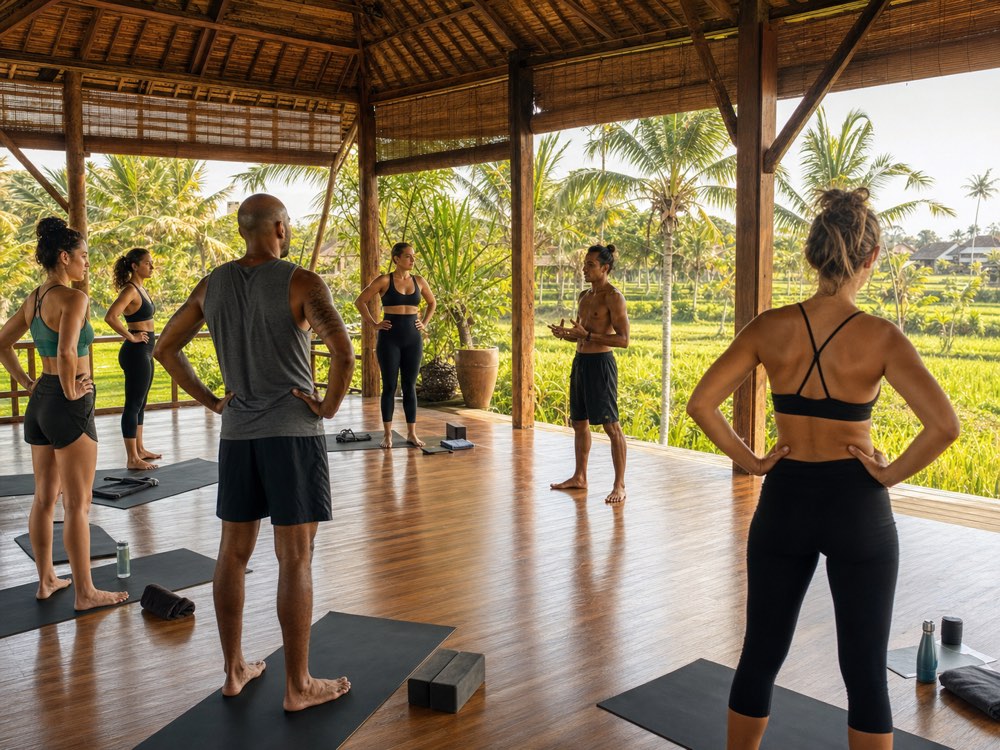
Next, look at the lead trainer's real classroom record. Ask how many hours they have taught, who trained them, whether they still teach ordinary students, and how much of the course they personally deliver. Marketing biographies often list qualifications without showing current practical involvement. You need an educator who can hear a weak cue, see what it causes across the room, and show you how to fix it.
Cohort size is just as concrete. In a large intake, you may hear good lectures while receiving very little observed teaching time. Ask how often every trainee leads, how feedback is recorded, and whether the trainer evaluates voice, timing, observation, room control, and safe decision-making. A smaller group costs the school more per person, but it gives your mistakes somewhere useful to go.
Finally, identify the exact outcome. A general 200-hour certificate and a method-specific certificate answer different questions. Dual certification can give you a broad professional foundation plus evidence that you studied the fixed Original Hot 26&2 Yoga sequence. Before booking, read what to know about 200-hour yoga teacher training in Bali for the deeper curriculum, travel-budget, and booking checks that this location guide intentionally does not repeat.
The YogaFX Original 26&2 Program
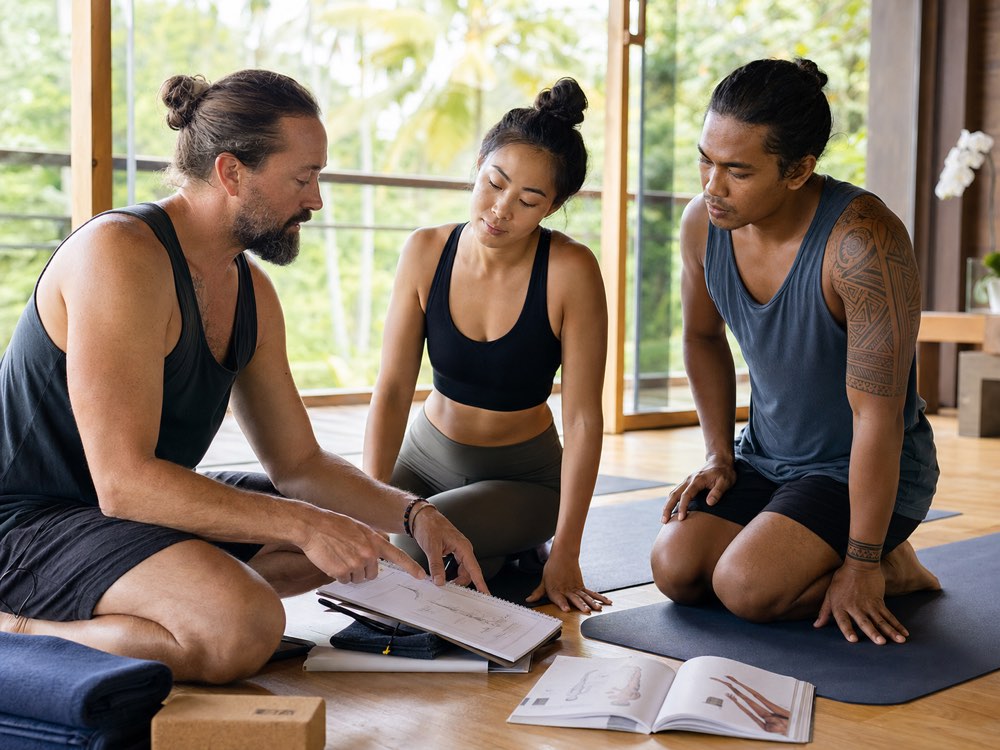
YogaFX has delivered its hybrid teacher training pathway since 2017. Theory and preparation begin online, so anatomy, manual study, dialogue practice, and method foundations do not consume your first days in Bali. You arrive ready for six intensive practical days. The aim is not to compress learning into a holiday. It is to move preparation outside the travel window and reserve Bali for teaching, correction, repetition, and assessment.
Mr. Ian Terry leads the work. He is an E-RYT 500 with more than 12,000 teaching hours and completed five direct training sessions under Bikram Choudhury between 2012 and 2019. He is also Master Trainer of the Republic of Indonesia Yogasana Sports Federation. Those credentials appear here because prospective trainees deserve to know who stands in front of the room, not only which logo appears on a certificate.
Each cohort is capped at 19 participants. That limit gives Mr. Ian Terry enough room to hear individual dialogue, watch how a trainee scans the class, and correct instructions before weak habits settle. The practical environment still feels like a real class, but no trainee disappears inside a crowd. Training covers the complete 90-minute sequence, room leadership, verbal timing, posture observation, and the discipline of teaching without music or demonstration.
Tuition is a flat USD 1,699. Successful graduates receive eligibility for RYT 200 plus a Bikram Hot 26&2 method certificate. 1,500+ graduates from over 80 countries have completed YogaFX education. Prospective students can also consult 700+ reviews across Google, Yoga Alliance, and YouTube, then ask direct questions instead of relying on the numbers alone.
From Bali graduate to Indonesian Yogasana athlete
Ivara Candra Kartika graduated from YogaFX in 2023 and now teaches students in Seminyak. YogaFX reports that she won gold at FORNAS VIII Indonesia in July 2025, silver at the Asian Yogasana Championships in the United Arab Emirates in August 2025, and gold plus bronze at the World Yogasana Sports Federation Championships in Ahmedabad, India, in June 2026.
Arkan Fauzan Riyanto, a 2022 YogaFX graduate, earned FORNAS Indonesia gold medals across the 2022, 2023, and 2025 events. He later added two silver medals and a bronze medal at the June 2026 World Yogasana championships. These competitive results reflect the athletes' own sustained work as well as the posture precision and discipline developed under national coach Mr. Ian Terry.
Graduate impact also includes leadership. Slamet Ariyanto, a 2024 YogaFX graduate, serves as Chairman of the Yoga Practitioner Association of Indonesia (PPYNI) and as an Indonesian Yogasana team manager for national and international events. Across its reported national, Asian, and world championship history, YogaFX records 12 alumni medals: five gold, three silver, and four bronze. These named outcomes strengthen the academy's graduate evidence without implying that every trainee will become a competitive athlete.
If this sounds like the original hot yoga teacher training you have been looking for, review the full YogaFX teacher training program. Confirm the online workload, Bali dates, assessment, inclusions, and travel responsibilities in writing. A strong decision comes from matching the method, trainer, and practical format to the teacher you want to become.
Behind the Scenes at YogaFX Teacher Training in Bali — Part 1
Bikram Hot 26&2 Yoga Teacher Training Part 1 | Exclusive Behind The Scenes Look | RYT 200 | Bali
Watch behind-the-scenes footage from an earlier YogaFX Bikram Hot 26&2 practical teacher training cohort in Seminyak, Bali, including group practice, teaching preparation, and the energy of a live training environment.
Do you have what it takes to become a great Bikram Hot Yoga teacher? Complete the short YogaFX readiness quiz to understand where you are on your teaching path and receive more personalized guidance.
Behind the Scenes at YogaFX Teacher Training in Bali — Part 2
Bikram Hot 26&2 Yoga Teacher Training Part 2 | Exclusive Behind The Scenes Look | RYT 200 | Bali
Continue behind the scenes with Part 2 from an earlier YogaFX Bikram Hot 26&2 practical teacher training cohort in Seminyak, showing the focused group work and live experience of the Bali MasterClass.
Do you have what it takes to become a great Bikram Hot Yoga teacher? Complete the short YogaFX readiness quiz to understand where you are on your teaching path and receive more personalized guidance.
Program update: these videos record an earlier five-day cohort and reference January 2026. The current YogaFX pathway uses online pre-course preparation followed by a six-day practical MasterClass. Confirm current dates, inclusions, and requirements on the official program page before arranging travel.
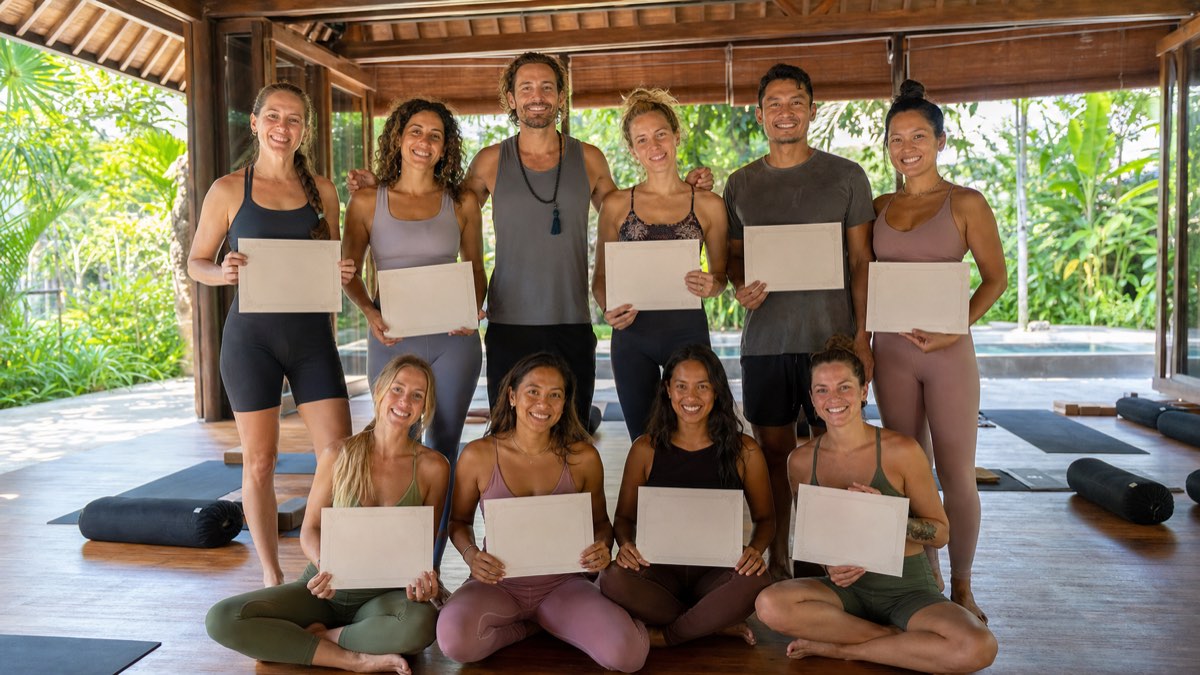
The question is not whether Bali looks good in photographs. It does. The useful question is whether a precise method, natural tropical heat, a six-day practical intensive, and direct access to an experienced trainer fit your purpose. When those pieces line up, Bali becomes more than a destination. It becomes part of how you learn to lead the room.
Frequently Asked Questions
What is the difference between general hot yoga training and Original Hot 26&2 training?
General hot yoga training may combine several sequences, temperatures, class lengths, and teaching styles. Original Hot 26&2 training focuses on a fixed 90-minute sequence of 26 postures and two breathing exercises at about 40°C and 40% humidity, guided through precise verbal dialogue without music or demonstrations.
Why choose Bali for hot yoga teacher training?
Bali offers naturally hot, humid conditions that suit heated practice without relying on electric room heaters. Seminyak and Canggu also provide international travel infrastructure, varied accommodation, active yoga communities, and tropical studios. The setting supports immersion, but trainer experience, assessment, accreditation, and class size should still drive your decision.
Is this official Bikram Choudhury Teacher Training?
Independent training, not official Bikram Choudhury Teacher Training. The YogaFX pathway teaches Original Hot 26&2 Yoga through its own hybrid curriculum and assessment. Mr. Ian Terry completed five direct training sessions under Bikram Choudhury from 2012 to 2019, while the school independently awards the stated certifications.
How long does the YogaFX Bali training take and what does it cost?
The YogaFX format combines online pre-course preparation with a six-day practical intensive in Bali. Tuition is a flat USD 1,699, while flights, accommodation, meals, insurance, visas, and local transport are separate. Cohorts are capped at 19 so trainees receive direct observation and feedback during practical teaching work.
Is the hot yoga teacher training certificate recognised internationally?
Successful graduates receive eligibility for the Yoga Alliance RYT 200 credential plus a Bikram Hot 26&2 method certificate. Recognition can still vary by studio, employer, insurer, and country. Ask prospective workplaces what they require, then confirm the school's current registration, assessment process, and certificate scope before enrolling.