Bikram Yoga Teacher Training from LA: Local Options vs Bali Intensive
By Ian Terry, E-RYT 500 · Updated
Los Angeles has more heated studios than most American cities, but hot yoga teacher training in Los Angeles is not one uniform category. Dedicated Bikram or 26&2 teacher certification remains narrower than local practice options. Aspiring teachers should compare the exact credential and practicum before choosing an LA course or a Bali intensive.
The important distinction is between access to hot yoga classes and access to a complete teaching pathway for the fixed 26-posture and two-breathing-exercise sequence. LA students can practise frequently and explore several heated formats. They may still need to look farther away when they want method-specific dialogue training, supervised teaching, assessment, and dual certification.
This is different from the New York market, where specialist local options are even thinner. Read how the NYC teacher-training market compares if you are researching both coasts. The LA decision is less about finding any heated studio and more about separating regular practice, broad yoga education, and focused Bikram Hot 26&2 certification.
What Is Actually Available Locally in Los Angeles
LA's yoga culture creates real choice. Students can find heated classes across a wide geographic area and practise styles ranging from fixed-sequence 26&2 to heated vinyasa, power yoga, sculpt, and hybrid fitness formats. This density is useful because an aspiring teacher can build a consistent practice, observe different teaching approaches, and test whether sustained heat suits them before enrolling.
Teacher training requires a more precise search. A broad 200-hour program may teach sequencing, anatomy, philosophy, ethics, and general practicum without preparing graduates to lead a traditional 90-minute 26&2 class. A heated flow certificate may be professionally valuable but use changing sequences, demonstration, and music rather than scripted dialogue.
Ask each school to name the method and credential in writing. Does the course cover all 26 postures and two breathing exercises in fixed order? Does it teach the traditional dialogue system? Will students lead full sections or classes in heat? Who watches those teaching turns, and what standard decides successful completion?
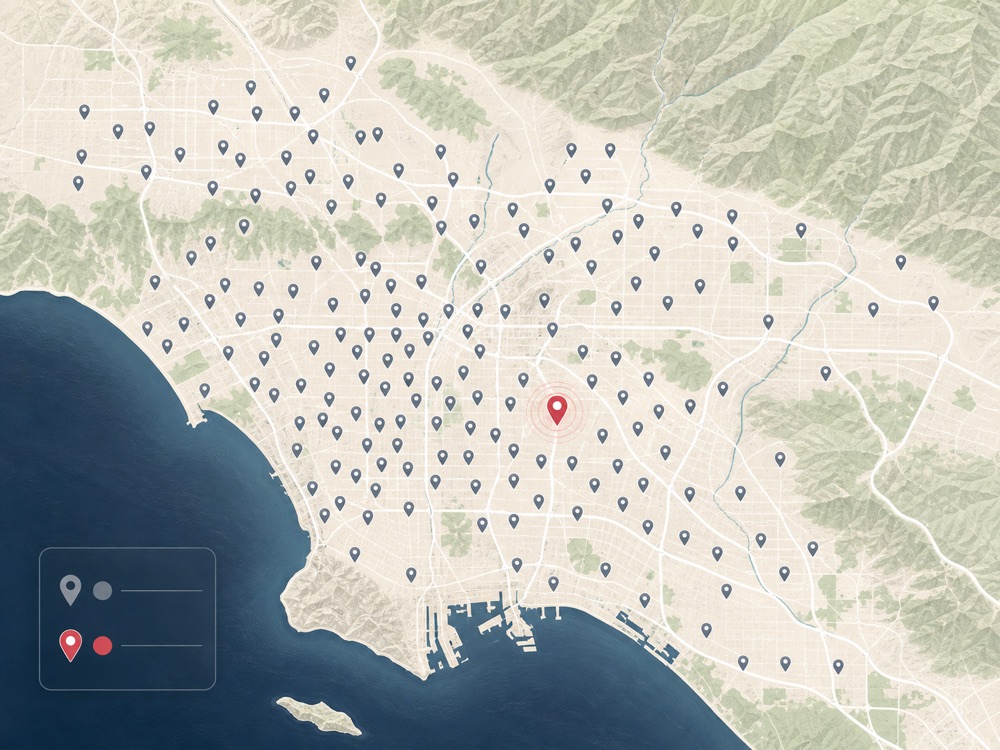
Location within LA matters because the region is spread out. A program advertised as local can still demand a difficult cross-city drive at peak times. Calculate the complete commute for every scheduled session, parking, recovery, and missed work. A weekend course that lasts several months can create more travel hours than its calendar first suggests.
Local training can be the right choice when its trainer, method, schedule, practicum, and credential match your goal. It lets you build relationships in the exact community where you hope to teach. The mistake is assuming a nearby address proves the course is more relevant than a specialist intensive. Compare educational fit first, then add convenience.
Reddit Says: What LA Yogis Are Actually Asking
Community discussions about yoga teacher training in Los Angeles often reflect healthy skepticism. Prospective students want to know whether a program is worth the price, whether instructors are genuinely involved, how much teaching practice occurs, and whether graduation creates realistic work opportunities. These are better questions than asking which website looks most inspiring.
One recurring concern is the difference between a personal-development course and professional preparation. Some students mainly want deeper practice and community. Others expect to audition for classes soon after graduating. Neither goal is wrong, but the curriculum should state which outcome it supports. A course can be meaningful without being enough preparation for a specialist teaching role.
Another concern is how a 200-hour label is used. The label alone does not reveal the sequence taught, proportion of online study, number of practical hours, cohort size, or assessment. Ask for a schedule that separates anatomy, philosophy, personal practice, method study, dialogue, observation, practice teaching, feedback, and evaluation.
Applicants also question whether trainer biographies match classroom access. Verify the lead instructor's current credential and relevant teaching hours, then ask who actually hears your dialogue and observes your teaching. A respected name adds little if most practical sessions are delegated and students receive only general peer comments.
Value should be evaluated through evidence. Request refund and deferral terms. Read independent reviews for repeated details rather than star totals alone. Ask how many teaching turns are guaranteed, whether additional attempts are available, and what happens when a student has not yet met the assessment standard.
Finally, avoid treating anonymous comments as a complete decision system. Community discussion can expose useful questions, but experiences vary by cohort, trainer, preparation, and personal expectations. Use discussion threads to build a checklist, then confirm each answer directly with the school in writing.
The Six-Day Intensive Format: What LA Students Should Expect
The YogaFX program separates preparation from practical immersion. Students first complete a self-paced online pre-course with a 250-page manual, Standing Series Workbook, more than 50 training talks, 15 video lessons, dialogue guides, anatomy, and yoga philosophy. That phase establishes shared knowledge before anyone travels.
The six days in Bali focus on what needs a real room and direct coaching. Students practise the fixed Hot 26&2 sequence, study posture mechanics, deliver scripted verbal dialogue, work on voice and timing, observe classmates, teach, receive correction, and try again. The traditional class uses no teacher demonstration and no music, so instructors must lead through clear language while watching students.
This hybrid model does not place all 200 educational hours inside six calendar days. The full RYT 200 pathway consists of the online preparation plus the practical MasterClass. Successful graduates receive Yoga Alliance RYT 200 and Bikram Hot 26&2 certification. The student credential remains distinct from the lead trainer's E-RYT 500 status.
Beginners can enter when they prepare consistently. They do not need extreme flexibility or previous teaching employment. They do need enough time for the online work, willingness to practise dialogue aloud, and readiness to accept specific correction in front of peers. A concentrated format rewards preparation and exposes avoidance quickly.
A controlled study by Tracy and Hart examined healthy young adults after eight weeks of regular Bikram practice and reported changes in strength, flexibility, and body composition in that group. These findings describe the physical practice rather than the quality of a teacher-training program, and they do not guarantee individual results. Review the study indexed by PubMed.
Students should prepare for heat and travel responsibly. Anyone with a health condition, pregnancy, or medication that affects heart rate or temperature regulation should seek individualized medical advice before joining a heated intensive. Yoga education does not replace medical care.
Cost and Career: What LA Yoga Teachers Actually Earn
There is no single dependable Los Angeles yoga teacher salary. Studio rates vary by neighborhood, class length, instructor experience, employment arrangement, and demand. A new graduate may begin with a small schedule, substitute classes, or audition repeatedly before holding regular weekly slots.
Many instructors combine studio classes with private sessions, workshops, retreats, online teaching, or non-yoga employment. Gross class pay is not take-home income. Transport across LA, insurance, tax, unpaid preparation, cancellations, continuing education, and the physical limit on weekly classes all affect the result.
Use the guide to what yoga teachers actually earn for the full career framework. It explains rates and sustainable scheduling without inventing one LA figure. The certified yoga instructor pathway then connects training, registration, auditions, insurance, and early teaching experience.
The Bali decision belongs in that career plan. YogaFX tuition is USD 1,699. It covers online pre-course preparation and materials, the six-day practical intensive, teaching practice, and assessment. Successful graduates receive dual certification. Accommodation, meals, flights, visas, insurance, and local transport are separate.
Compare that complete trip with a local course's tuition, repeated driving, parking, meals, schedule length, and missed work. A destination intensive can make one protected leave period easier than many weekends. A local schedule can be better when consecutive days away are impossible. Neither format is automatically cheapest for every student.
Build an honest budget with the full teacher training cost breakdown. Price has meaning only beside the credential, trainer access, cohort size, practical repetitions, feedback, assessment, and the time required to finish.
Why YogaFX Bali Stands Out for LA Students
Mr. Ian Terry, E-RYT 500, leads the YogaFX pathway. He has more than 12,000 teaching hours and has trained more than 1,500 graduates from over 80 countries. His credential and experience matter when they translate into direct observation, precise correction, and another opportunity for each trainee to apply feedback.
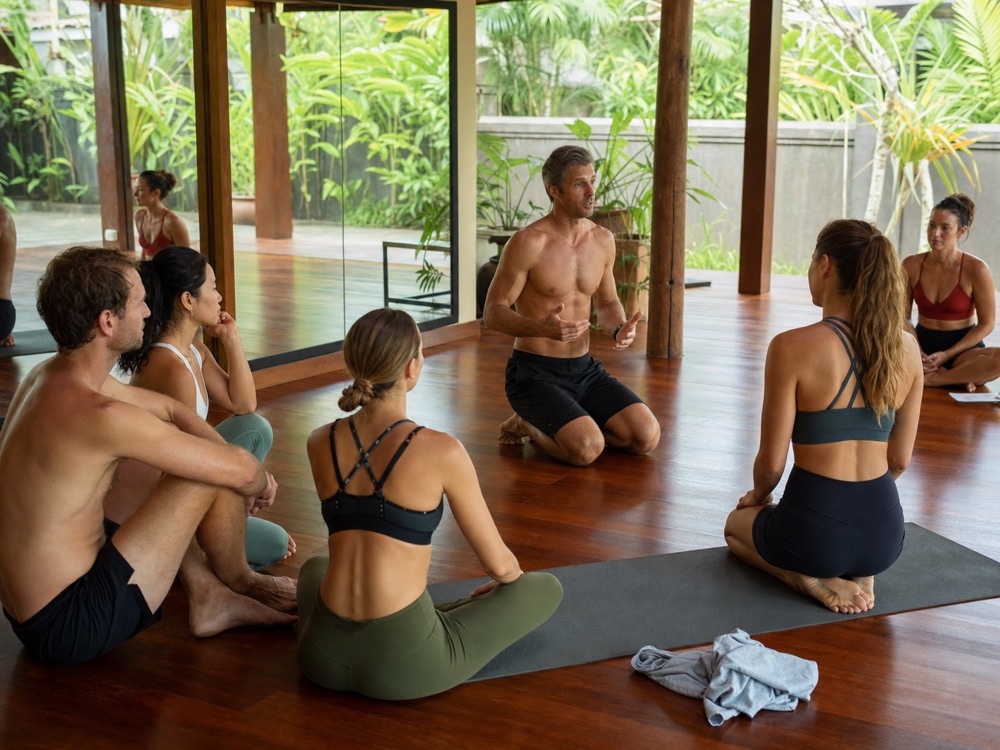
Practical training takes place at the academy's studios in Seminyak and Canggu. The rooms use Bali's natural tropical conditions at approximately 40°C and 40% humidity rather than electric heaters. The setting gives LA students experience of the method in sustained humid heat, not simply another climate-controlled urban class.
Cohorts are capped at 19 students. This protects time for dialogue delivery, questions, posture observation, teaching turns, and assessment. Small-group training does not make the six days easy. It makes participation visible and feedback harder to avoid.
The academy reports more than 400 five-star Google reviews. Read the underlying accounts for evidence about online preparation, trainer access, schedule organization, dialogue coaching, and teaching practice. A recurring graduate pattern is that repeated correction and international peer practice become as valuable as the certificate itself. That is social proof, not a guaranteed outcome.
The evidence base for heated yoga should also be framed carefully. A 2025 scoping review by Willmott and colleagues found diverse study designs, participant groups, and outcomes. Its findings support precise, evidence-aware communication rather than universal promises. See the open-access research review.
Bali offers a defined specialist pathway rather than a substitute for LA's active studio culture. Students can build their practice at home, complete preparation online, then use one concentrated week for supervised application. The combination fits someone who wants both a broad RYT 200 foundation and method-specific Hot 26&2 training.
Read the practical guide to hot yoga teacher training in Bali for studio locations, climate, arrival planning, and course-selection criteria. Then compare current dates with your work schedule and verify every inclusion before booking flights.
Frequently Asked Questions
Is there Bikram yoga teacher training available in Los Angeles?
LA has one of the highest densities of hot yoga studios in the US, but dedicated Bikram or 26&2 teacher certification programs remain relatively rare even here. Most LA studios offer drop-in classes rather than a full teacher training track, which is why many LA-based aspiring teachers look at intensive programs elsewhere, including Bali.
How do I become a yoga instructor in Los Angeles?
You'll need to complete a recognized teacher training program, typically Yoga Alliance RYT 200 or equivalent. Options include local LA studio programs, online hybrid formats, or destination intensives such as YogaFX's 6-day Bali program, which combines an online pre-course with in-person certification.
How much do yoga teachers make in Los Angeles?
Earnings vary widely based on studio, class volume, and experience, with no single reliable figure. Many teachers supplement studio pay with private sessions or workshops as they build their client base.
How long does the Bali intensive take?
YogaFX's program is a 6-day in-person intensive in Bali, preceded by an online pre-course, leading to dual RYT 200 and Bikram Hot 26&2 certification.
Is YogaFX's training an official Bikram Choudhury Teacher Training?
No. YogaFX offers independent Bikram Hot 26&2 teacher training, not an official Bikram Choudhury Teacher Training program. Training takes place at YogaFX's own studios in Seminyak and Canggu, Bali, under natural tropical heat.
What does the tuition price at YogaFX include?
The USD 1,699 tuition covers online pre-course preparation and materials, the six-day practical Bali intensive, teaching practice, and assessment. Successful graduates receive RYT 200 plus Bikram Hot 26&2 certification. Accommodation, meals, flights, visas, insurance, and local transport are not included.