RYT 200 Meaning: What the Credential Covers When You Teach Hot Yoga
By Ian Terry, E-RYT 500 · Updated
The RYT 200 meaning is simple: Registered Yoga Teacher, 200 hours. It shows you finished a 200-hour course at a school Yoga Alliance has registered. For a hot yoga teacher, that proves your training happened. It doesn't prove you can run a 90-minute class at 40°C, and that gap is yours to close.
This guide reads the credential from the teacher's side of the room. Mr. Ian Terry, E-RYT 500 and founder of YogaFX, has taught more than 12,000 hours. So each section asks one question: does this title prepare you for the class in front of you?
If you want the registration steps, read our full registration walkthrough. Here we stay on the teaching side.
What RYT 200 Means on Your First Day Teaching Hot Yoga
On paper, the RYT 200 title tells a studio three things. You trained for 200 hours. You trained with a registered school. And you joined the registry, so anyone can look you up.
People often search what is RYT 200 or what does RYT 200 mean because job posts use the letters without explanation. Being RYT 200 certified is shorthand for one thing: you completed the training and joined the registry. Everything else, from your teaching style to your heat skills, still has to be shown. Our guide to yoga continuing education after graduation covers how teachers keep building those skills.
Yoga Alliance's Standards for RYT Credentials are short on this point. You need a 200-hour training with a Registered Yoga School. You can't combine several shorter courses to reach 200 hours. And the standards ask for no teaching hours before you register. For what registration changes once you are teaching, see what Yoga Alliance certification changes in classes.
That last rule surprises people. It means an RYT 200 teacher can be brand new to the front of a room. The title says your training is complete. It doesn't say how many classes you have taught.
Where the credential meets the hot room
Now put that beside a heated room. The table sets what the credential asks for next to what a 40°C class asks of you. Because the standards are general, the right-hand column is where most of your real preparation lives.
| Area | What RYT 200 asks for | What a 40°C class asks of you |
|---|---|---|
| Training | 200 hours with one Registered Yoga School | Enough practice in real heat to know how a student's body feels at minute 60 |
| Teaching | No teaching hours required | A full 90-minute class, spoken aloud, without losing the room |
| Content | A general base in techniques, philosophy, anatomy and ethics | One scripted 26-posture sequence, delivered the same way every class |
| Safety | Heat is not named among those foundation topics | Spotting dizziness, nausea or sudden silence early, and acting on it |
| Renewal | Annual dues and continued education hours | Steady practice in the heat, so your cues stay honest |
Read the middle column as a floor, not a ceiling. Many schools go well beyond it. Still, the credential itself won't tell you which ones do.
One more point helps you read job listings. Some of them ask for E-RYT 200 instead of RYT 200. That is a different title. It needs the same 200-hour training plus at least 1,000 hours of teaching over at least two years. So a brand-new graduate can't hold it yet, and you shouldn't feel behind because you don't.
What the 200 Hours Cover and What They Leave Open
Yoga Alliance's teacher training page calls the 200-hour course a strong base in yoga techniques, philosophy, anatomy and ethics. That is a good base for any style of yoga. It is also deliberately general.
The same page explains the application steps and the annual membership. Tuition goes to your school, and each school sets its own price. So the credential tells you little about cost or quality. Here are the numbers that matter to a new hot yoga teacher.
Those numbers describe the paperwork. They don't describe the person holding it. Four questions sit outside what the certificate can answer:
- How many classes did you teach? Ask for a number, with feedback after each one.
- Who watched you? A trainer who has taught for years sees things a classmate misses.
- At what temperature did you train? A mild room teaches different habits from a hot one.
- Which method did you learn to deliver? A general title doesn't name a sequence or a script.
5 Essential Gaps to Close Before Your First Hot Class
Every new teacher with an RYT 200 certificate has the same five gaps to close. None of them is a flaw in the credential. They simply fall outside what a general title is built to cover, so you have to choose a course that covers them on purpose. Work through the list below, and use it as a checklist when you compare schools.
1. Heat illness response
In a 40°C room, you are often the first person to notice a student in trouble. The NHS guidance on heat exhaustion and heatstroke lists tiredness, dizziness, headache, nausea, cramps and heavy sweating with pale, clammy skin. It treats heatstroke as a medical emergency. The signs include hot skin that isn't sweating, fast breathing and confusion.
For heat exhaustion, the NHS advises moving the person to a cool place, giving plenty of water and cooling the skin. If you can't recall those steps without notes, ask your school where they are taught.
2. Reading a full room
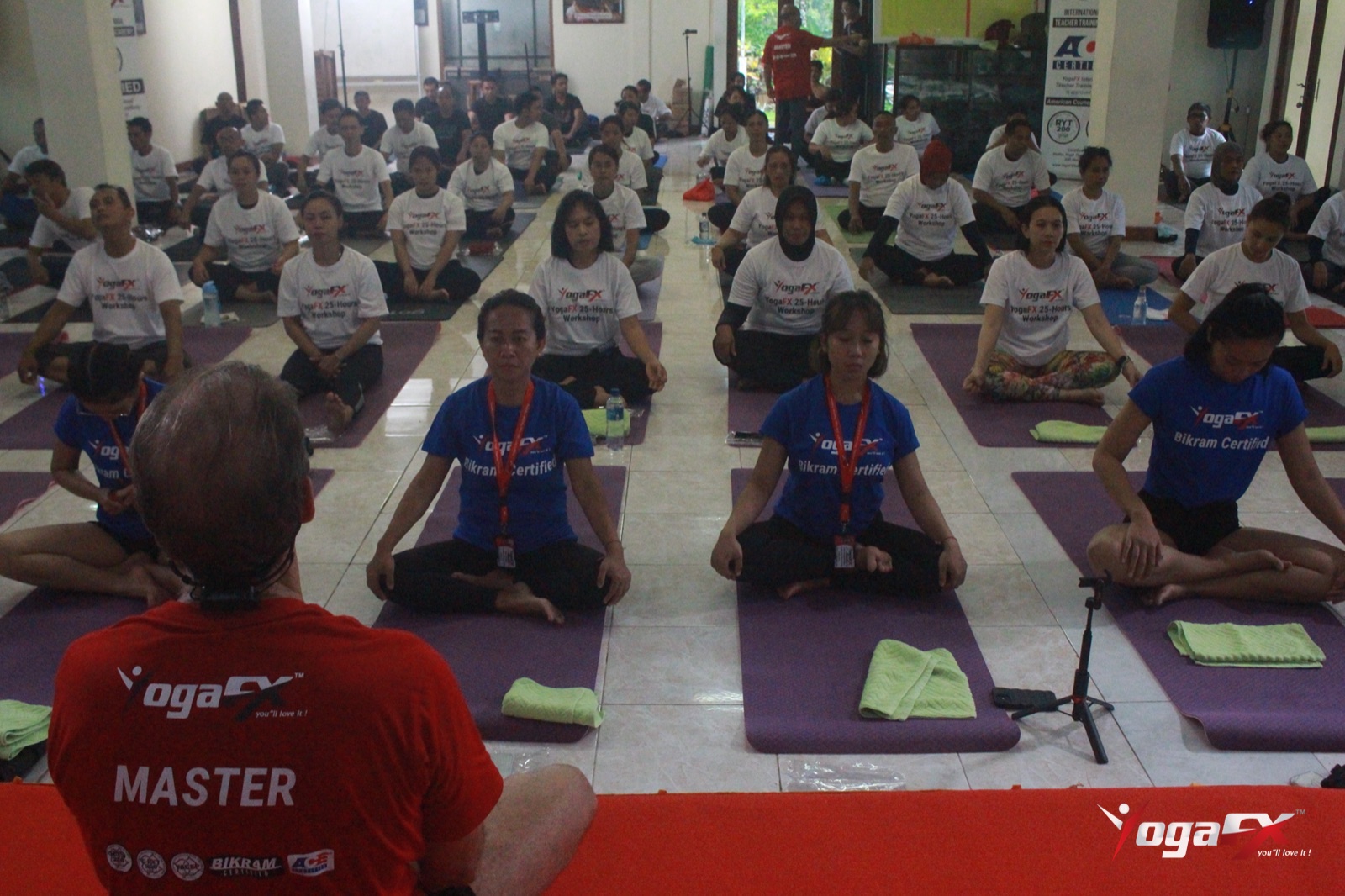
A student who goes quiet may be struggling. Watching breathing, colour and balance is a skill you build by teaching real people, not by reading about it. That is why supervised practice teaching counts for so much. Ask how many minutes you will teach, and who will give you feedback.
For example, imagine you teach Half Moon Pose on day three and your trainer tells you your cue came too late for the room. That one note is worth more than a page of theory. It changes how you pace the next class. A school that builds this loop into every day gives you something no title can.
3. Delivering a script
A scripted class takes the pressure of invention off you. Delivery is still a skill. You learn the words first, then the pace, then the pauses. Our 200-hour hot yoga teacher training curriculum shows how a course can split that work across the week.
4. Holding the full 90 minutes
You can't coach 90 minutes at 40°C if you have only practised in a mild room. Your own practice in heat is part of your training. It lets you say what a posture feels like at minute 70, and mean it.
It also protects you. A teacher who has felt the second half of the class in real heat knows when to slow the pace and when to push. Teachers who haven't often rush, because the clock feels longer from the podium than it looks on a plan.
5. Pricing your first classes
A credential doesn't set your rate. Studios and gyms do. Before you enrol, test a few class rates and weekly schedules in our free Income Calculator. That way your first-year numbers rest on your own week, not on a guess.
Questions to Ask a Studio Manager Before You Enrol
An RYT 200 title opens a conversation. The people who hire you decide what counts. So pick two or three studios where you would like to teach, then ask the manager a few plain questions before you pay for any course:
- Which credentials do you ask for? Some studios want a registry title. Others care more about the method you learned to deliver.
- Do new teachers cover classes first? Many studios let a new teacher take a few slots before a full schedule.
- What does your insurer need? Policies differ, so ask before you book a course.
- How soon could I teach? The answer shows whether your timeline fits theirs.
As a result, the right course depends on the room where you want to teach, not on the letters alone. A studio that runs a scripted hot class will care how you deliver the script. A studio that teaches a flowing style will care about something else. Write the answers down, then compare schools against them.
What Research Says About the Room You Will Teach In
Heat is not only a risk to manage. In 2023, Nyer and colleagues at Massachusetts General Hospital published an 8-week randomised trial in The Journal of Clinical Psychiatry (Nyer et al., 2023, indexed in Europe PMC under PMID 37883245). It compared community heated hatha yoga with a waitlist in adults with moderate-to-severe depression.
Among the 65 people analysed, 59% of the yoga group had a drop in symptoms of 50% or more. In the waitlist group, 6.3% did. Attendance averaged about one class a week over the eight weeks.
The authors call for further studies with an active comparison group. So read the result as encouraging, not settled. Research like this suggests benefits. It does not prove that the yoga alone caused the change.
Why does this matter for your title? Because students arrive with hopes like these, and they will ask what the heat does. An RYT 200 gives you a base for that answer. The rest comes from your school, your own practice and careful wording. Say "research suggests", never "this will fix".
Consider what the trial tells a teacher in practice. Students in it came about once a week and still showed a response. That means you don't need to promise daily heroics. You can tell a nervous beginner that regular, steady attendance matters more than a heroic first class, and you can say it without overselling.
This is general information, not medical advice. If you have a heart condition, are pregnant or have any other medical concern, consult a healthcare professional before you practise or train in heat.
What Graduates Say About Training for the Hot Room
A title is paper. Graduates talk about the room instead. That is why we read reviews for detail, not stars, and why we let trainees speak for themselves. Three of them, from our YouTube reviews, put it in their own words:
"I thought that the energy in the room and the support was absolutely amazing."
Anita, YouTube review, 2025
"It's been very humbling but also like very empowering."
Sandra, YouTube review, 2025
"This has been life-changing, it's really been an honor."
Helen, YouTube review, 2024
Those voices sit among 150 Google reviews, 50 Yoga Alliance reviews and 357 video testimonials on YouTube. More than 1,500 teachers from over 80 countries have trained with YogaFX since 2017.
How the YogaFX Course Fits the RYT 200 Path
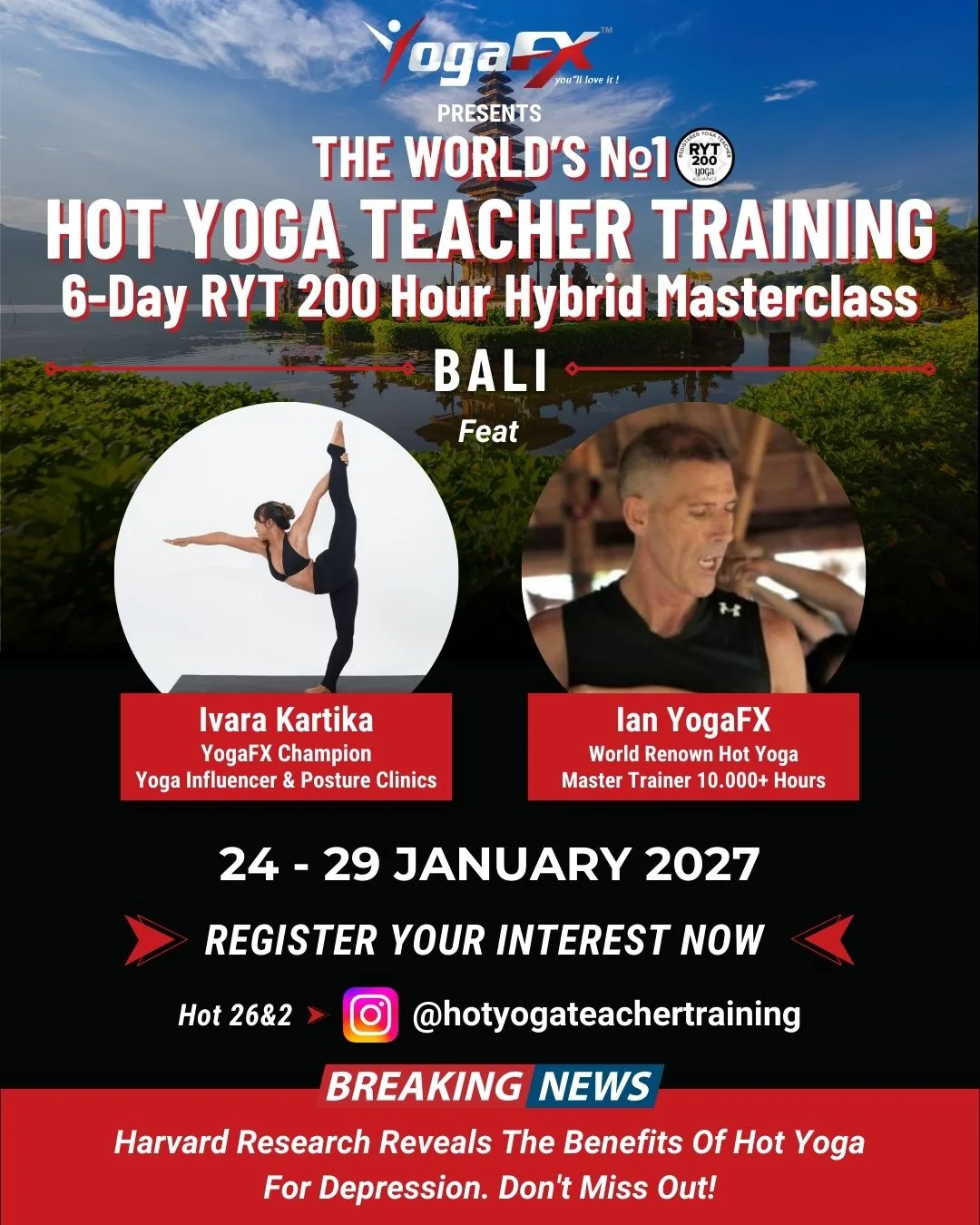
The Bikram Hot 26&2 Yoga Teacher Training MasterClass gives you two credentials from one program: Yoga Alliance RYT 200-Hour and the Bikram Hot 26&2 200-Hour International Yoga Certification. So you hold the general title and the method-specific one together.
- Format. You study online first, then join a six-day intensive in Bali. You check in on a Sunday and out on a Friday, so it means just five days off work.
- Next batch. Sunday 24 January to Friday 29 January 2027 at Soham Wellness Center in Seminyak.
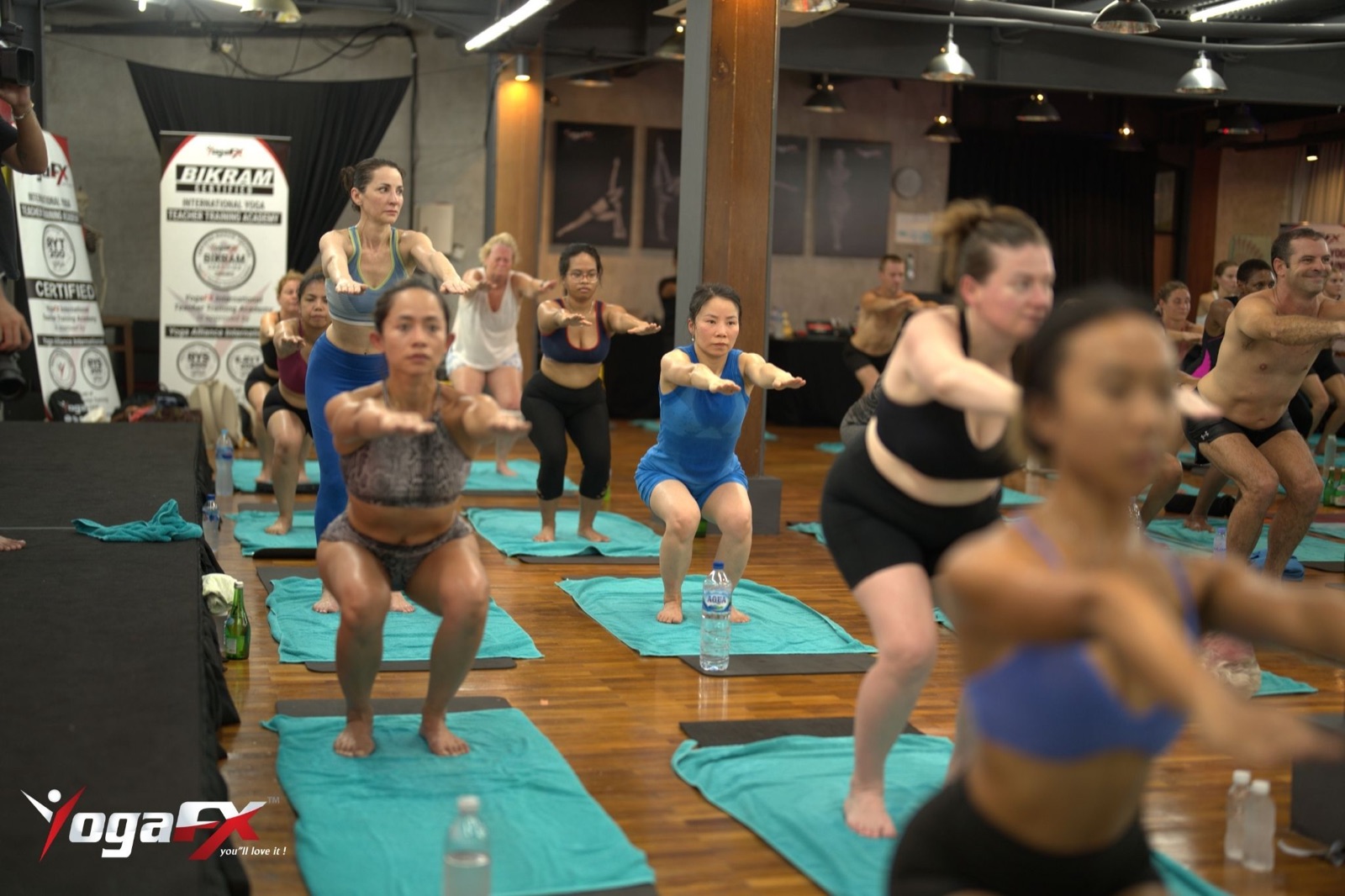
- Heat. Classes run for 90 minutes at 40°C and 40% humidity, warmed by natural tropical heat. You learn to teach in the conditions the method was built for.
- Price. The Early Bird price is US$1,899, against a normal US$1,999. Payment plans start from US$250 a month with no interest.
Your lead trainer is Mr. Ian Terry, an E-RYT 500 with 12,000+ teaching hours. He trained for five years, from 2014 to 2019, with the founder of the Bikram Hot 26&2 method. He is also Master Trainer of the Republic of Indonesia Yogasana Sports Federation.
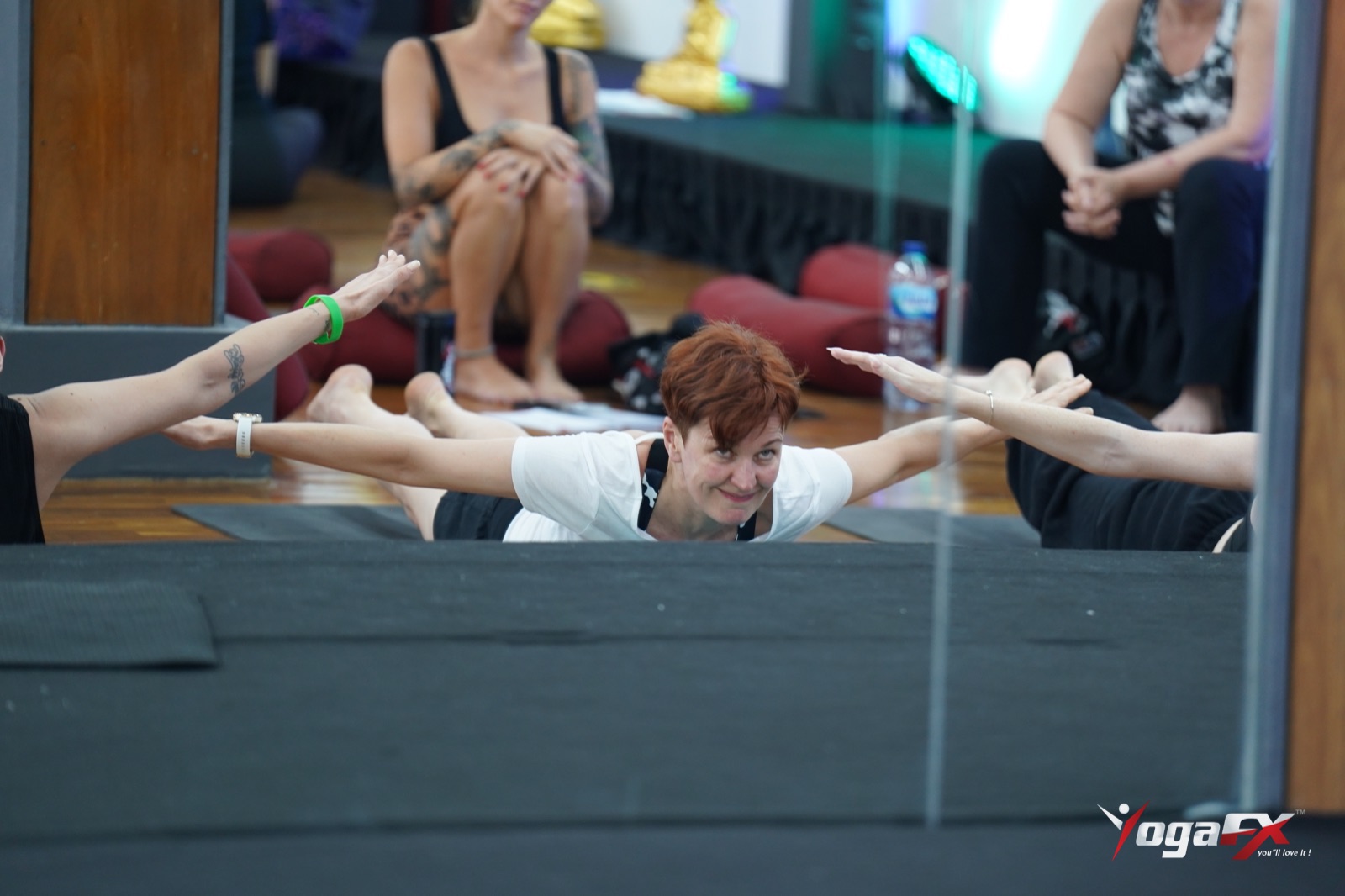
To see how the days are built, read the programme page. If you are weighing association standards as well, our teacher's-view comparison of the association standards sets hours, dialogue and internship side by side. And our guide to what a hot yoga certificate actually proves explains how studios read your paperwork.
Before you pay any school, check three things. Find its name in the Yoga Alliance directory. Ask for the lead trainer's teaching hours. And ask how many classes you will teach before graduation. A good school answers all three without hesitation.
FAQ
Is RYT 200 enough to teach hot yoga?
It's a start, but it isn't the whole answer. RYT 200 shows you finished 200 training hours with a registered school and needs no teaching hours. It doesn't mention heat or a specific sequence. Ask your school how much supervised teaching you get and where heat illness is taught.
What does E-RYT 200 mean?
E-RYT 200 is the experienced level. You still need a 200-hour training with a Registered Yoga School, then at least 1,000 hours of teaching over at least two years since graduating. The E stands for experienced, and only teaching time earns it.
How do I list RYT 200 on a resume?
Write RYT 200 with Yoga Alliance after your name once your listing is live. Add the school, your lead trainer and the year you trained. Then list any method certificate separately, such as a hot 26&2 certification, so a studio sees both what you hold and what you can teach.
Does RYT 200 include heat safety training?
Yoga Alliance describes the foundation as techniques, philosophy, anatomy and ethics, and heat isn't named. Whether heat safety is taught depends on your school. Ask for the session plan. A good one covers early signs such as dizziness and nausea, cooling steps, and when to call emergency services.
Where can I earn RYT 200 and a hot yoga certificate together?
YogaFX runs the Bikram Hot 26&2 Yoga Teacher Training MasterClass in Bali, a hybrid course with online study and a six-day intensive. It leads to Yoga Alliance RYT 200 plus a Bikram Hot 26&2 certification. The next batch runs from Sunday 24 January to Friday 29 January 2027 at Soham Wellness Center, Seminyak.
Still have questions? Message Mr. Ian and the YogaFX team on WhatsApp and we will answer them personally.