Hot Yoga vs Regular Yoga: How Teaching Changes Once the Heat Is On
By Ian Terry, E-RYT 500 · Updated
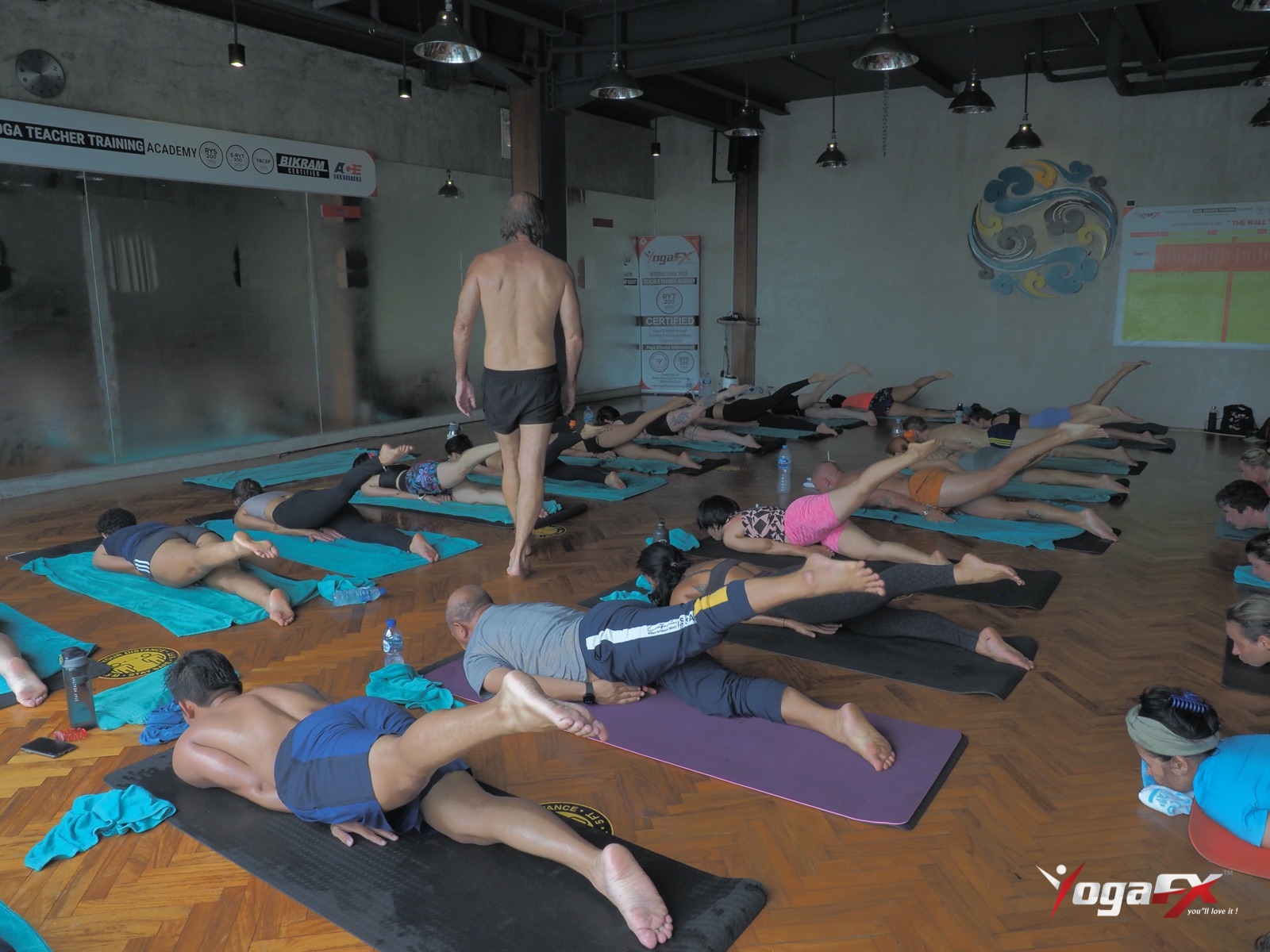
Hot yoga vs regular yoga is mostly a question about the room, and a teacher feels that difference before a student does. A heated class runs near 40°C, so the teacher shortens cues, watches faces and manages rest. A regular class gives more time to talk, adjust and demonstrate.
We teach both, and we say so plainly. Mr. Ian Terry, E-RYT 500, has more than 12,000 teaching hours behind the YogaFX classes, so this hot yoga vs regular yoga guide comes from the front of the room, not from a brochure. It also checks every health claim against published research.
Hot Yoga vs Regular Yoga: What a Teacher Changes in the Room
Students ask whether hot yoga vs regular yoga means a better practice. A teacher asks a different question: what must I do differently now? Here are the five changes we train into every new instructor.
| What the teacher manages | Regular room (about 18 to 23°C) | Heated room (about 40°C, 40% humidity) | Why it changes |
|---|---|---|---|
| Voice and cues | Longer explanations are fine | Short, calm cues, repeated often | Hot, tired students take in fewer words |
| Pacing | Flows at the class or group level | Fixed rests between postures | Heart rate and body temperature climb together |
| Watching students | Alignment first | Faces, colour and breathing first | Heat strain shows on the face before the mat |
| Water and breaks | Optional sips | Teach students to drink early and rest freely | Sweat loss is higher and thirst arrives late |
| Room set-up | Open space, any layout | Fixed temperature, humidity and mat spacing | Stable conditions keep every class comparable |
Notice that none of these rows says the heated class is better. They say it is different to teach. If you want the full science view on the same question, the lab-study breakdown of heated and room-temperature classes covers it from the student side.
To see how the heat itself is defined, read our guides to what hot yoga actually is and the heat yoga temperature guide. This page stays on what the room does to teaching.
How the Heat Changes Cueing and Pacing
Hot yoga vs regular yoga looks like a student topic, but it is a teaching topic too. Most students think teaching is about knowing the postures. In practice, it is about choosing words under pressure. The heat raises that pressure for everyone in the room.
Shorter words work better in the heat
In a cool room you can explain a hip rotation in three sentences. In a heated room, the same three sentences lose the back half of the class. Tired students stop listening around the second clause.
So we teach a scripted, plain language style. The Original Hot 26&2 class uses a fixed dialogue for the same reason: one clear instruction, once, at the right moment. There is no music and no demonstration, which keeps attention on the words.
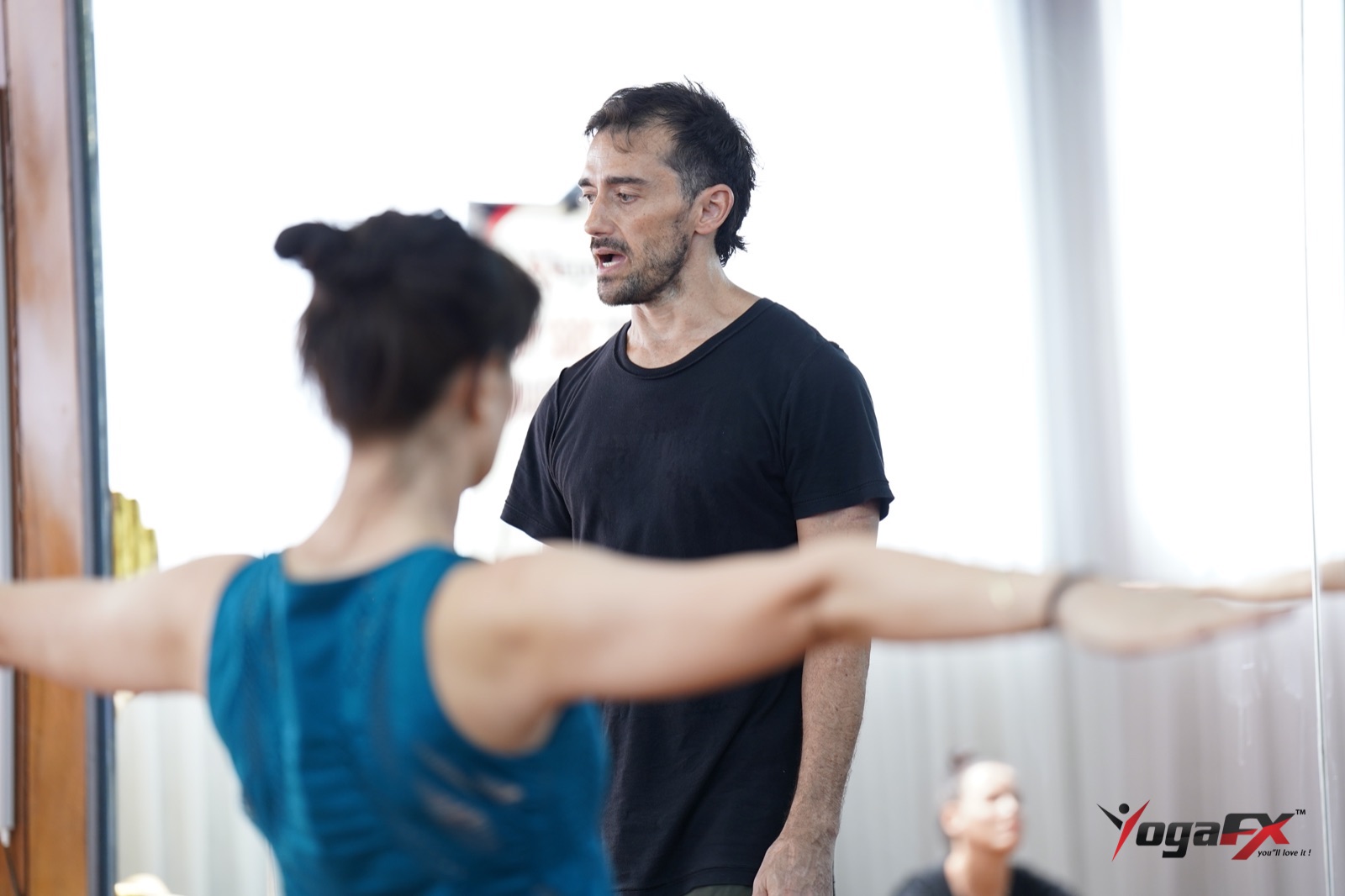
Pacing in hot yoga vs regular yoga is a safety tool, not a style choice
A regular class can speed up or slow down with the mood of the group. A heated class cannot. The 90-minute format holds 26 postures and two breathing exercises in a set order, with short rests built in. That predictability protects students who are still learning how their body copes with heat.
Teachers also learn to read the clock against the room. If the standing series is running hot, they lengthen a rest rather than push on. That judgement is what separates a certificate holder from a teacher you would trust with your first heated class.
Hot yoga vs regular yoga for the teacher: what stays the same
Plenty does. Alignment still matters, and so does honest language about what a student can do. A good teacher in either room sets a pace students can keep, corrects the safety-critical errors first and lets the rest wait until the next class.
Reading a Heated Room: What a Teacher Watches For
In hot yoga vs regular yoga, heat adds a second job. While students balance and stretch, the body is also cooling itself. A trained teacher keeps one eye on that second job at all times.
Here are the signs we teach new instructors to notice, and what to do. The warning symptoms match the list on the NHS page for heat exhaustion, which names dizziness, headache, tiredness, excessive sweating, pale and clammy skin, cramps and feeling very thirsty (NHS, heat exhaustion and heatstroke).
- Unusual quiet or a blank stare. Ask the student to sit down and sip water.
- Pale, clammy skin. Move them to the coolest spot and keep them lying down.
- Dizziness when standing up. Slow the transition and make sure they rest before the next posture.
- Cramps. Stop the posture, stretch gently and rehydrate.
- Nausea or a pounding head. Leave the room if needed, cool down and rest.
The NHS first-aid steps are simple: move the person to a cool place, remove unnecessary clothing, give plenty of water, and cool the skin with water and a fan. That is why a hot studio keeps water and a cooler spot within reach. It is also why we train teachers to say "rest is part of the class" in the first minute.
In the hot yoga vs regular yoga comparison, this watching is the biggest hidden difference. None of this needs special equipment. It needs attention, practice and a teacher who is not afraid to stop the class for a moment. Students notice that confidence, and it makes the hard minutes easier.
Hot Yoga vs Regular Yoga: What Studies Say About Effort and Heat Strain
A teacher should be able to back up every hot yoga vs regular yoga claim. Three sources help most with the heat question, and we opened each one before citing it.
Hot yoga vs regular yoga: same work, different feel
A 2020 study in the International Journal of Exercise Science (Lambert et al.) put 16 experienced practitioners through the Bikram sequence twice. One session was at 105°F (40°C), the other at 74°F (23.3°C), with humidity held at 40%. Mean oxygen use, heart rate and calorie expenditure did not differ between the two rooms.
Two things did differ. The respiratory exchange ratio was lower in the heat, at 0.89 against 0.95. Hip abduction also improved more after the hot session, by 6.6 degrees against 2.3. For a teacher, that means the heat changes how a class feels and how far some joints move, but it does not change the total work.
Core temperature in real Bikram classes
A University of Wisconsin-La Crosse study, described by the American Council on Exercise, measured 20 healthy volunteers aged 28 to 67 in a 90-minute class. The average highest core temperature was 103.2°F for men and 102.0°F for women. One man reached 104.1°F, and seven of the 20 went above 103°F.
The report also notes that the risk of heat-related illness rises at 104°F. None of the volunteers showed signs of heat intolerance. Average heart rate was about 80 percent of predicted maximum for men and 72 percent for women.
No gap
Work done in each room
Oxygen use, heart rate and calories matched at 105°F and 74°F (Lambert et al., 2020).
6.6° vs 2.3°
Hip abduction gain
Hot session against room-temperature session in the same 16 practitioners.
103.2°F
Average peak core temperature, men
102.0°F for women, across a 90-minute Bikram class (UW-La Crosse, 2015).
7 of 20
Went above 103°F
One reached 104.1°F, the point where risk of heat illness rises.
What a sports medicine team says about risk
The Mayo Clinic Sports Medicine team states that the intensity of the workout and the hot temperatures have the potential to cause heat-related illness. It suggests skipping hot yoga if you have heart disease, problems with dehydration, heat intolerance or a history of heat-related illness. It also says to drink plenty of water before, during and after, and to stop if you feel dizzy, lightheaded or sick.
This is general information, not medical advice. Talk to a healthcare professional before you start any heated class, especially if you are pregnant or have a medical condition.
Five Mistakes New Teachers Make in a Heated Room
Every trainee makes these mistakes at first. They are normal, and practice fixes them. Each one is a place where hot yoga vs regular yoga teaching really differs.
- Talking too long. Cool-room habits carry over, so the explanation runs past the point students can follow. Cut it to one clear cue.
- Skipping the rests. A nervous teacher fills silence. In the heat, the silence is where students recover.
- Watching the mirror instead of faces. Alignment matters, but a pale face matters first.
- Forgetting the water talk. New students rarely drink early. Remind them before class, not at the first sign of trouble.
- Pushing a posture for its own sake. If a student looks unwell, the posture can wait. Don't trade a safe class for a perfect one.
We practise these in teaching rounds during the MasterClass. Each trainee teaches a block, then gets feedback from Mr. Ian on voice, pacing and what they noticed in the room. That feedback is where hot yoga vs normal yoga stops being theory and becomes a skill.
How to Judge a Teacher in Hot Yoga vs Regular Yoga
If you're choosing a class, the teacher matters more than the thermostat. The studies show the room changes how a class feels, not how much work it is. A good teacher changes what you take home.
- They say rest is allowed. You hear it in the first minute, not after you struggle.
- They name the water rule. You know where to drink and where the cooler spot is.
- They use short, steady cues. Key instructions are repeated, not buried in long explanations.
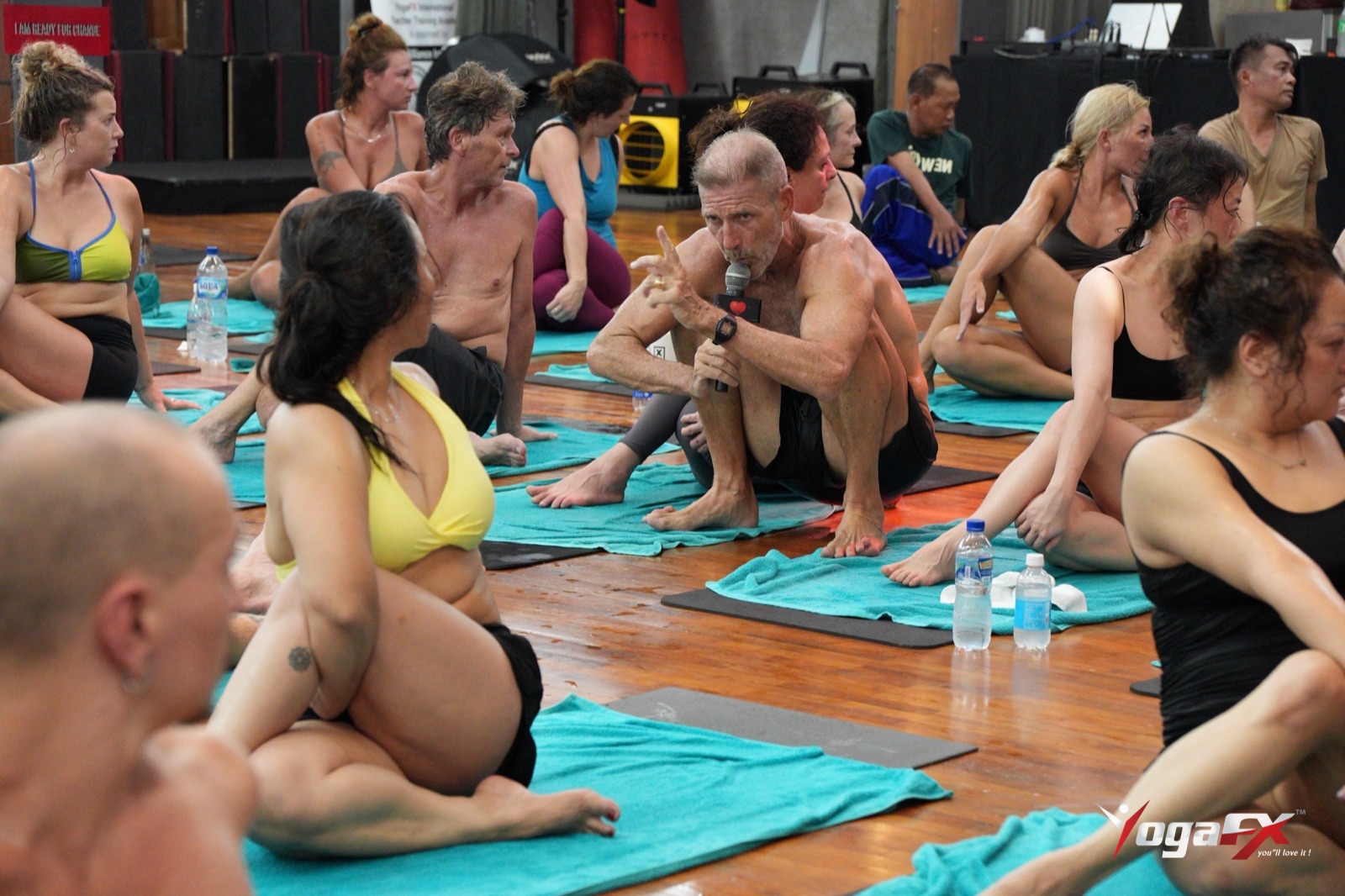
- They walk the room. They look at faces and breathing, not only at feet.
- They offer an easier option. You never feel small for taking it.
- They slow or stop the class when someone looks unwell. That is the clearest sign of a trained teacher.
If you have never tried a heated class, read our first hot yoga class guide before you book. It explains what to bring, how to pace the first 20 minutes and when to rest.
Is hot yoga better than normal yoga for a beginner?
Usually not on day one. A beginner is learning balance, breath and basic alignment, and heat makes each of those harder to feel. Some beginners do well in a heated room, especially if they handle heat and like structure. Start with two classes a week and treat the first month as a trial.
The difference between hot yoga and normal yoga in one line
The difference between hot yoga and normal yoga is the room. The difference in teaching is attention, because in the heat a teacher watches the body's cooling job as closely as the posture.
What YogaFX Students Say
Students describe what the teaching floor is like better than any study can. These are real reviews from people who trained with Mr. Ian and the team.
"Everything is incredibly organized, attention to detail is perfection, and the care and the effort made in making sure that each and every student is carefully attended to is not missed by me."
Matt, Google review, 2025
"The course was transformative for me - not just professionally, but personally too."
Mayuri, Google review, 2026
"Truly life changing experience, blessed to have had this opportunity."
Villin, Google review, 2022
These reviews are about the teacher training, not the temperature. They still show what we care about most: a teacher who watches every student, in any room, whichever side of the hot yoga vs regular yoga choice you make.
Learn to Teach in the Heat With YogaFX
If this hot yoga vs regular yoga guide made you curious about the front of the room, teaching may be your next step. YogaFX was founded in Bali in 2017 by Mr. Ian Terry. He trained for five years, from 2014 to 2019, with the founder of the Bikram Hot 26&2 method, and he is a Master Trainer for the Republic of Indonesia Yogasana Sports Federation.
More than 1,500 graduates from 80+ countries have trained with us. Our classes run in natural tropical heat in Bali, at about 40°C and 40% humidity, at both the Seminyak and Canggu studios, from 06:00 to 22:00 every day.
The 6-day hybrid MasterClass starts with online study at home and finishes with an intensive at Soham Wellness Center in Seminyak. You graduate with Yoga Alliance RYT 200 and Bikram Hot 26&2 200-hour certification. The next intake runs January 24 to 29, 2027. The Early Bird price is US$1,899 (normally US$1,999), and interest-free instalments start from US$250 a month. See our hot yoga teacher training guide for the full week.
FAQ: Hot Yoga vs Regular Yoga
Which is better, hot yoga or regular yoga?
Neither wins on total work. In a 2020 study, 16 experienced practitioners did the same Bikram sequence at 105°F and 74°F, and oxygen use, heart rate and calories matched. Heat changed the feel and added some hip range. Pick the room and the teacher you will keep returning to.
Why does hot yoga feel harder than regular yoga?
Your body is cooling itself while you balance and stretch, so you tire sooner. The 2020 study found no difference in oxygen use, heart rate or calories between rooms, so the extra effort is strain, not extra work. Rest when you need to, drink water early and tell the teacher if you feel unwell.
How often should you do hot yoga to see results?
There is no single number. We suggest beginners start with two classes a week, then add more only when recovery feels easy. Your goals, health and schedule set the right pace. Speak to a healthcare professional first if you have any condition, and stop if you feel dizzy or unwell.
What is the difference between hot yoga and vinyasa yoga?
Hot yoga describes the room, while vinyasa describes the style. A vinyasa class links postures with breath in a flowing sequence, usually at ordinary room temperature, though some studios heat it. A Bikram-style hot class holds a fixed 26 posture sequence near 40°C. Check each studio's description before you book.
Is warm yoga the same as hot yoga?
Not always. There is no fixed rule, but warm yoga is usually taught in a milder room than a hot class, which runs near 40°C in our studios. Studios label temperatures differently, so check the listed temperature and ask the teacher what to expect before you book your first class.
Still have questions? Message Mr. Ian and the YogaFX team on WhatsApp and we will answer them personally.
This article is general information, not medical advice. Consult a healthcare professional before starting any heated exercise.