Pregnancy & Hot Yoga: Is Hot Yoga Safe While Pregnant?
By Ian Terry, E-RYT 500 · Updated
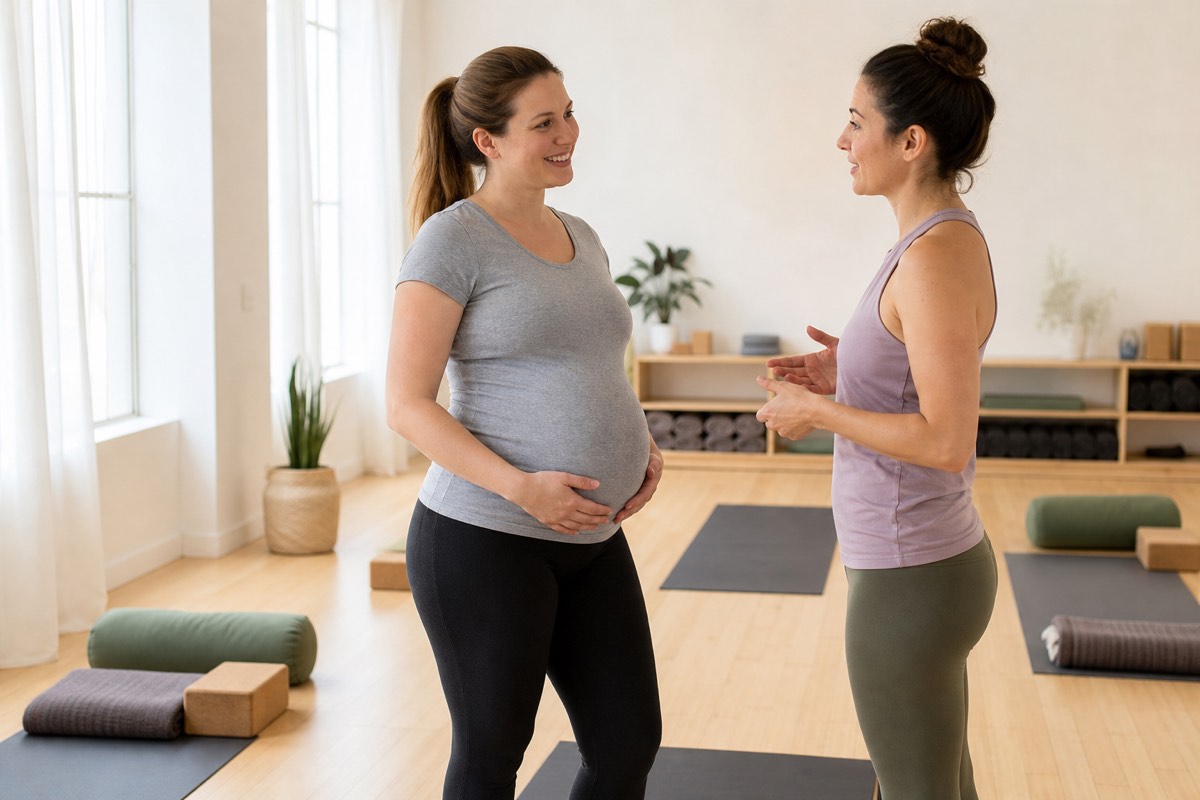
The short answer is clear: hot yoga is generally not recommended during pregnancy because a heated room adds avoidable risks from overheating, dehydration, dizziness, and falls. The American College of Obstetricians and Gynecologists (ACOG) specifically lists hot yoga and hot Pilates among activities to avoid while pregnant. This guide explains the evidence, the limits of current research, and safer ways to keep moving.
Is Hot Yoga Safe During Pregnancy?
Medical organizations generally advise against hot yoga in pregnancy. ACOG recommends avoiding activities that may cause overheating, including hot yoga and hot Pilates. UC Davis Health gives the same practical advice and groups hot yoga with saunas and hot tubs as heat exposures to avoid.
This does not mean all exercise is unsafe. For many uncomplicated pregnancies, appropriate physical activity is beneficial. The safer distinction is between modified movement in a comfortable environment and a deliberately heated class that makes temperature regulation harder.
A traditional Bikram class is commonly practiced near 105°F (40.6°C) for 90 minutes. Read the dedicated guide to Bikram yoga during pregnancy for method-specific risks, commonly discussed modifications, and safer online prenatal alternatives. Learn how the environment differs from other formats in the heat yoga temperature guide. Pregnancy changes circulation, balance, hydration needs, and heat tolerance, so your pre-pregnancy routine cannot be assumed safe without review.
Main Risks of Hot Yoga While Pregnant
Hyperthermia and fetal development
Hyperthermia means an abnormally high core body temperature. Avoiding it is particularly important early in pregnancy. Research has associated maternal hyperthermia from sources such as fever and external heat with an increased risk of neural tube defects. However, direct evidence measuring pregnancy outcomes after hot-yoga classes is limited. The responsible conclusion is that the theoretical and observed heat risks justify caution, not that a single class is proven to cause miscarriage.
Dehydration, low blood pressure, and dizziness
A heated room increases sweating and fluid loss. Pregnancy already changes blood volume and circulation. Together, heat, prolonged standing, and dehydration may contribute to dizziness, fainting, nausea, or a fall. Water is important, but hydration alone cannot guarantee that core temperature or blood pressure will remain safe.
Joint instability and overstretching
Pregnancy hormones, including relaxin, increase ligament laxity and joint mobility. ACOG notes that pregnant people can be more prone to injury because the joints become more mobile. Heat can also make a stretch feel easier, encouraging a person to move beyond a stable range. Favor controlled movement, avoid chasing depth, and use prenatal modifications.

What Medical Experts and Research Say
ACOG's patient guidance says to avoid hot yoga and hot Pilates because they may cause overheating. Its exercise guidance also recommends hydration, temperature-controlled conditions, and avoiding high heat and humidity.
A peer-reviewed review in Canadian Family Physician recommended avoiding hot yoga in pregnancy because of concern about excessive core temperature. The review also emphasized that direct studies of hot-yoga pregnancy outcomes were absent, so evidence should not be overstated.
The often-cited ACE Fitness investigation is more nuanced. It observed four healthy pregnant women who were experienced hot-yoga practitioners, all beyond the first trimester, during 60-minute classes at 90–100°F. Their measured temperatures stayed below the study threshold. This tiny sample did not test a 90-minute Bikram class at roughly 105°F, did not establish fetal outcomes, and cannot demonstrate general safety.
Evidence-based takeaway: the available small study may help researchers formulate better questions, but it is not a green light for hot yoga while pregnant. Broad obstetric guidance remains the more appropriate basis for personal decisions.
Why Forum Opinions About Hot Yoga in Pregnancy Differ
Discussions in pregnancy and fitness forums often include experienced practitioners who report continuing heated classes after speaking with a midwife or doctor. Others describe dizziness, nausea, or deciding that the heat was not worth the uncertainty. These first-person accounts can explain how people felt, but they cannot measure fetal safety or control for trimester, room temperature, health history, medication, or pregnancy complications.
Prior experience and good hydration may affect comfort, but neither proves that a heated class is safe for a particular pregnancy. Use online stories to generate questions for your clinician, not to replace medical advice.
Safer Alternatives to Hot Yoga During Pregnancy
Choose prenatal or modified yoga
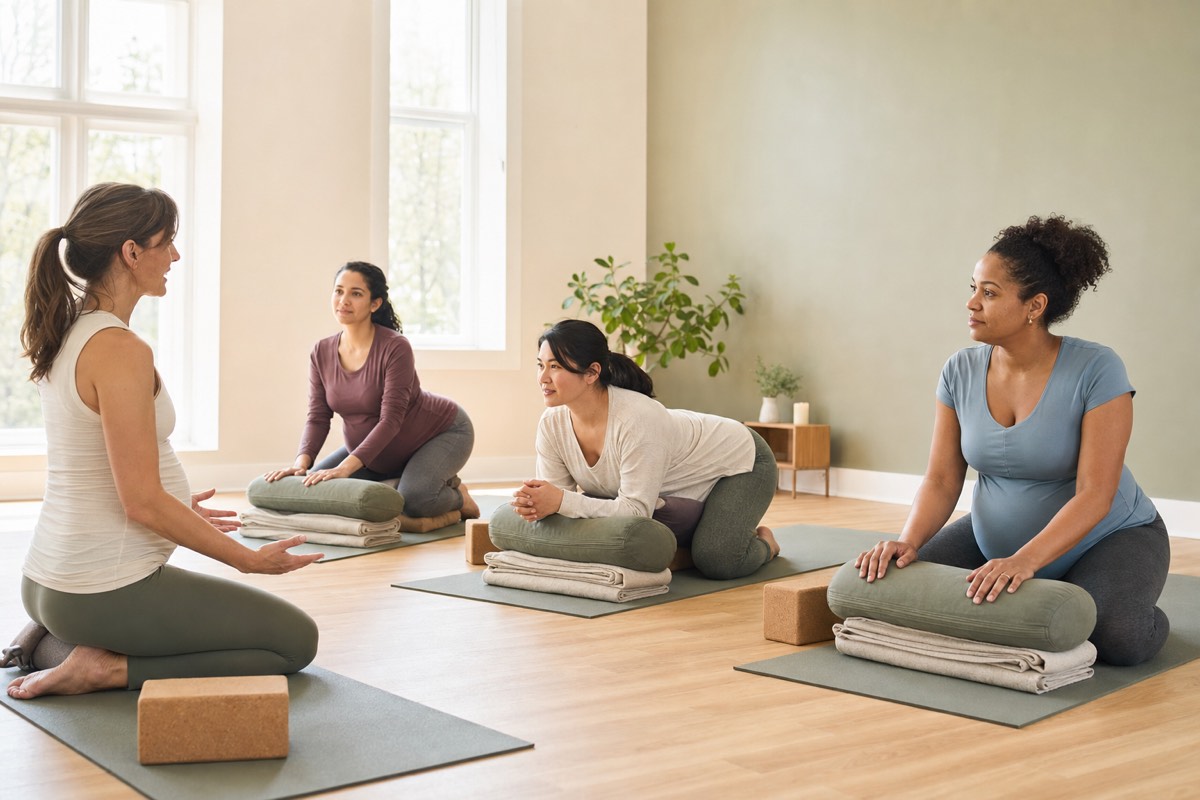
ACOG identifies modified yoga as an activity that can be safe during pregnancy. Choose a prenatal class in a normal-temperature room with an instructor who understands trimester-specific modifications, balance changes, abdominal pressure, and positions that may need to be avoided.
Talk to your obstetric clinician first
Ask your obstetrician, midwife, or qualified healthcare provider before starting or continuing an exercise program. Individual advice matters more if you have bleeding, placenta or cervical concerns, high blood pressure, heart or lung disease, severe anemia, multiple pregnancy with complications, or another condition that changes exercise safety.
Keep the environment comfortable
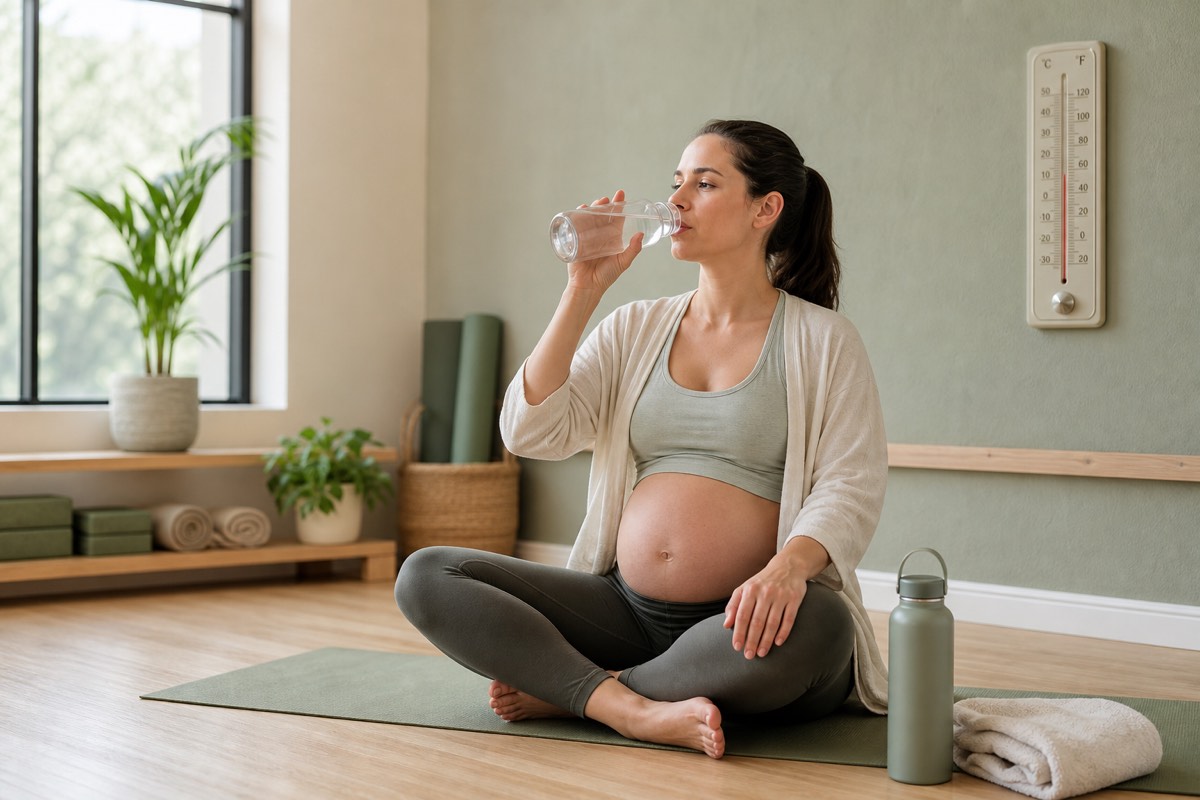
Exercise in a temperature-controlled room, drink fluids regularly, wear breathable clothing, and reduce intensity when needed. You should be able to respond to symptoms promptly rather than feeling pressure to complete a sequence.
Stop Exercise and Seek Medical Advice for Warning Signs
ACOG advises stopping exercise and contacting your obstetric clinician if you develop vaginal bleeding, fluid leakage, painful contractions, dizziness, headache, chest pain, unusual shortness of breath before exertion, muscle weakness affecting balance, or calf pain and swelling. Severe symptoms, fainting, breathing difficulty, chest pain, or another emergency require prompt medical care.
Feeling faint or overheated is not a test of willpower. Leave the heated environment, cool down safely, and get help. Do not return to class until a qualified clinician has advised you.
Questions to Ask Before Choosing Pregnancy Exercise
Does my health history or pregnancy have any exercise restrictions?
Which room temperature and intensity are appropriate for my trimester?
Which poses or positions should I modify or avoid?
What symptoms mean I should stop and call you?
Can you recommend a qualified prenatal yoga instructor?
Bottom line: if you are considering hot yoga while pregnant, choose the cautious path. Skip the heated room, obtain individualized medical guidance, and use prenatal or modified yoga at a comfortable temperature.
This article is educational and does not diagnose a condition or replace advice from your obstetric healthcare professional.
Frequently Asked Questions
Can you do hot yoga while pregnant?
ACOG lists hot yoga and hot Pilates among activities to avoid during pregnancy because they may cause overheating. Ask your obstetric clinician for advice specific to your pregnancy and choose prenatal or modified yoga in a temperature-controlled room instead.
Is hot yoga dangerous in the first trimester?
Avoiding overheating is especially important in the first trimester. Maternal hyperthermia has been associated with fetal-development risks, including neural tube defects, although direct research on hot-yoga participation during pregnancy is limited. This uncertainty supports a cautious approach rather than proving that one class will cause harm.
Does prior Bikram experience make hot yoga in pregnancy safe?
No evidence establishes Bikram yoga as safe during pregnancy, even for experienced practitioners. A frequently cited ACE study observed only four experienced pregnant participants in 60-minute classes at 90–100°F, not a standard 105°F Bikram class, so it cannot override individualized medical guidance.
Can hydration prevent the risks of pregnancy and hot yoga?
Hydration supports normal exercise, but it cannot guarantee safe core temperature, blood pressure, or fetal conditions in a heated class. It should not be treated as permission to continue hot yoga against medical advice.
What yoga is safer during pregnancy?
Prenatal yoga or modified yoga in a normal-temperature room is generally the safer alternative. Use an instructor trained in prenatal modifications and obtain clearance from your obstetric clinician, particularly if you have a complication or were inactive before pregnancy.
When should a pregnant person stop exercising?
Stop and seek medical guidance for warning signs such as vaginal bleeding, fluid leakage, painful contractions, dizziness, headache, chest pain, unusual shortness of breath, muscle weakness affecting balance, or calf pain and swelling. Urgent or severe symptoms require prompt medical care.