Male Yoga Teacher: Life at the Front of a Hot 26&2 Room
By Ian Terry, E-RYT 500 · Updated
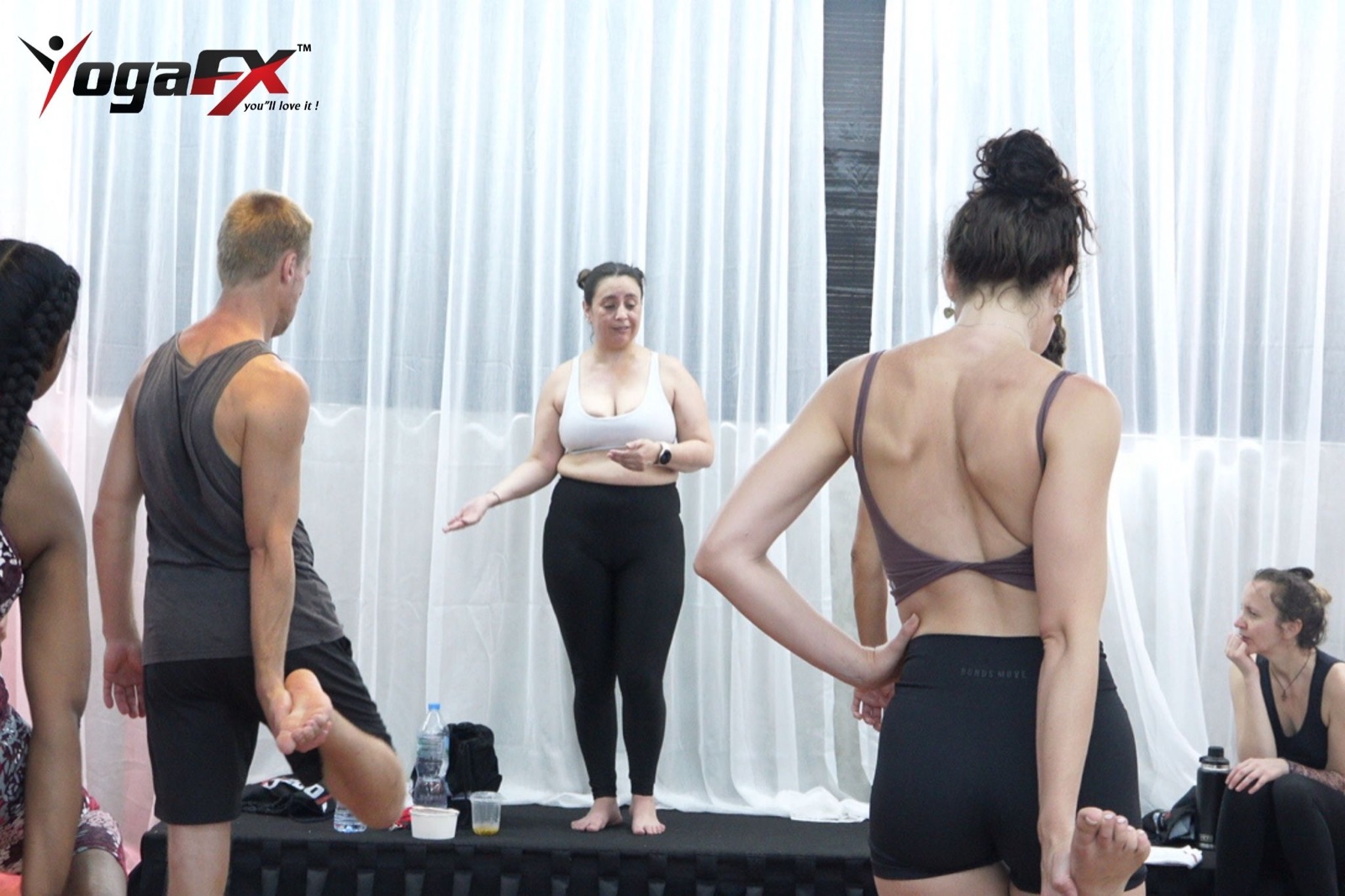
A male yoga teacher does the same job as any other teacher: he reads the room, delivers the class and keeps students safe in the heat. What changes is the texture of the day, from how students first react to how you handle feedback. Here is what that looks like at the front of a hot 26&2 room.
At YogaFX, we train teachers for the Original Hot 26&2 format, so this guide speaks from that room. It is practical, not promotional. If you want the wider argument for why more men should teach, the teacher training team makes it on why more men belong at the front of the room.
A Male Yoga Teacher’s Day, Hour by Hour
Teaching is rarely just the 90 minutes on the podium. The class sits inside a day of preparation, recovery and admin. The table below is an example day for a teacher who covers one early class, so treat the times as a guide, not a rule.
| Example time | What happens | What it asks of you |
|---|---|---|
| 05:00 | Wake, drink water, read through the dialogue for the class | A rested voice and a clear head before the room warms up |
| 05:45 | Arrive, check the heat and humidity, set up the podium | Attention to detail, because the room is your responsibility |
| 06:00 | Greet students at the door and learn first names | Warmth and eye contact, especially with first-timers |
| 06:30 | Teach the 90-minute class at about 40°C | Steady pace, clear cues and constant scanning of every body in the room |
| 08:00 | Answer questions, wipe down, rehydrate | Patience when students want a word on their way out |
| Midday | Your own practice, planning, messages and social posts | Self-discipline, because nobody checks your diary |
| Evening | A second class or a private session, if you have one | Energy management and more water than you think you need |
Three things surprise most new teachers when they look at that table:
- The voice is the job. You speak for most of 90 minutes, so breath control matters more than any posture you can hold.
- The heat is yours too. You stand in the same room as your students, with no mat to lie down on.
- The quiet hours count. Planning, practice and recovery decide whether the class is sharp or flat.
Why the first month feels longer than the first class
New teachers often say the class itself goes faster than they expect, while the weeks around it feel slow. A new male yoga teacher is learning the script, the room and his own nerves at the same time. That’s normal, and it eases with repetition.
Most improvement comes from small, boring habits. Teach the same section three times in a row, then change one thing. Ask a fellow trainee to time you. Notice where you rush, because the rush usually starts when you stop trusting the words.
Walking In as a Male Yoga Teacher: Reading a Mixed Room
Most hot rooms are mixed. Some days the room has more women than men, and some days it is the other way round. As a result, a male yoga teacher rarely teaches one type of student for long.
Students notice a few things in the first five minutes, and gender is a small part of it. They notice your voice, your pace and whether you look at them when you speak. In our experience, a calm and clear teacher settles a nervous room whoever is standing on the podium.
That said, some students do respond to a teacher who looks like them. A man who has never stepped into a yoga room may relax faster when the person at the front is a man. We wouldn’t build a career on that, but it can help a first class feel less foreign.
What to expect from different students
- Beginners. They want reassurance that the heat is normal and that they can rest whenever they need to.
- Regulars. They notice if you change your wording, so consistency matters.
- Athletic men. They often push too hard, so your cues on pacing and breathing do real work. Our guide to what teachers see in their male students goes deeper.
- Students with injuries. They need clear permission to modify, and a teacher who does not take it personally when they do.
Being a male yoga teacher also means noticing your own presence. A tall man on a podium can feel imposing to a nervous beginner, so soften your tone, keep your movements slow and step back from the front when the class is working. The room should feel like it belongs to the students.
Two habits help in every room. Learn names quickly, and say the instruction before you look at the person. Doing both makes the class feel like a conversation, not a lecture.
Delivering the Hot 26&2 Dialogue in Your Own Voice
The Original Hot 26&2 class is scripted. The teacher speaks the dialogue, the students follow the words, and the class runs without demonstrations or music. That format suits a new teacher, because the structure is already built. Your job is delivery.
Practice makes the voice sound natural. A male yoga teacher who has run the dialogue out loud thirty times sounds relaxed, while one who has only read it silently sounds like he is reading. Say it in the car, in the shower and to an empty room.
Delivery is where a male yoga teacher can stumble, because the voice has to be both firm and kind. A flat, loud voice tires the room. A soft, rushed voice loses it. Good teachers vary pace, drop the volume for the floor series and lift it for standing work.
- Breathe from the belly so you can finish long sentences without gasping.
- Pause after each instruction, so students can act before the next one lands.
- Keep your words plain. If a phrase would sound odd in conversation, say it differently.
- Record yourself once a week and listen for filler words and rushed endings.
Memorising 26 postures and 2 breathing exercises takes real work. Our article on how teachers learn and deliver the script breaks it into stages, and the free dialogue flashcards let you drill it between classes.
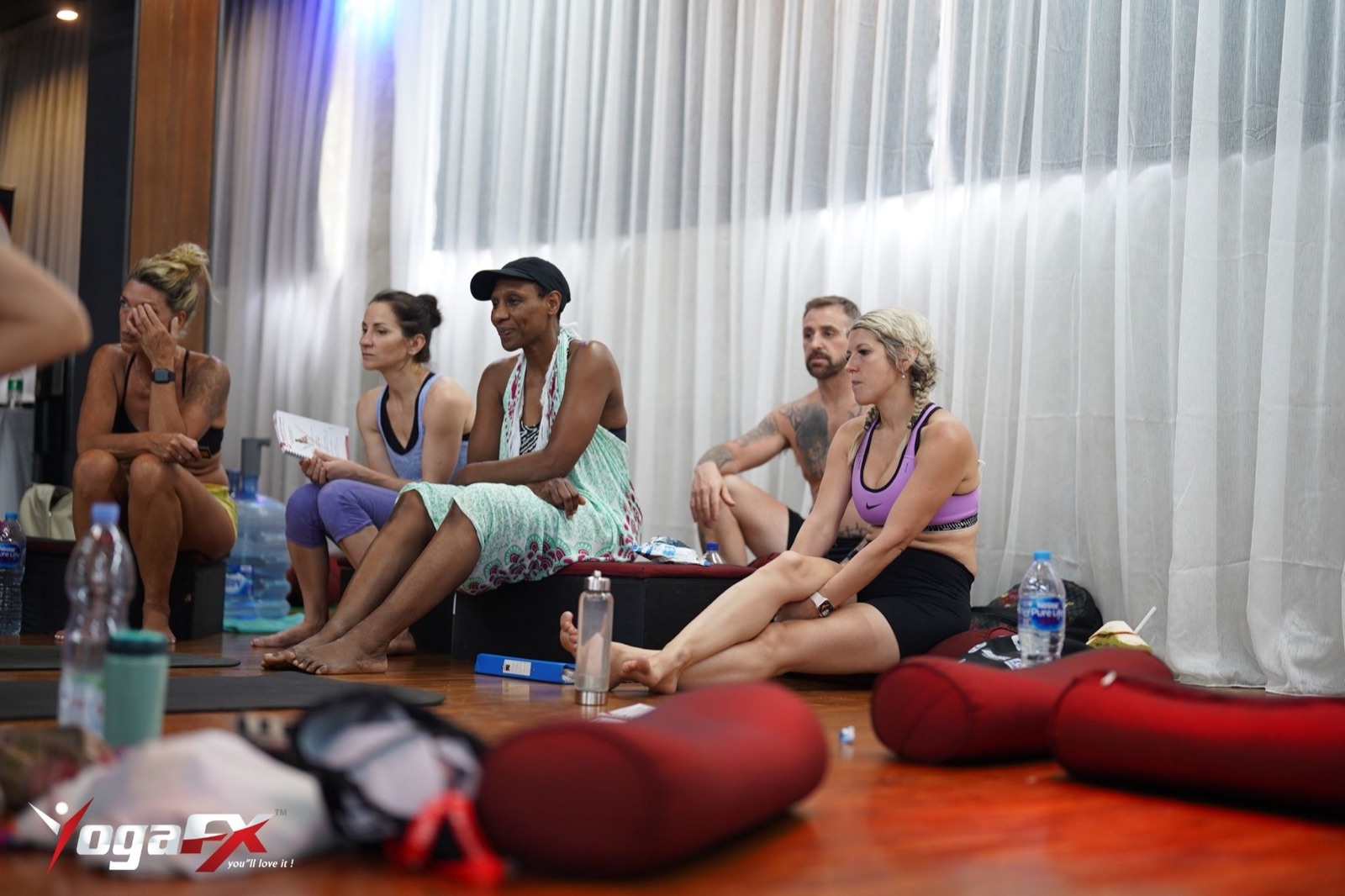
What a Male Yoga Teacher Learns From Cover Classes and Mistakes
Every teacher has a class that goes wrong. The dialogue slips, a student leaves early or the room feels flat. A male yoga teacher who treats that as data, not failure, improves much faster than one who replays it all night.
Covering for another teacher is a good test. You step into an unfamiliar room, with students who don’t know you, and you still have to deliver. After a few of those, nerves lose much of their grip.
- Write it down. Note one thing that worked and one thing to change after each class.
- Ask for feedback. A trusted student or fellow teacher sees what you can’t.
- Keep practising. Your own practice is where the voice and the patience come from.
Over a year, those small notes add up to a recognisable style. A male yoga teacher with a steady, honest style is easy for students to trust, and trust is what builds a regular class.
Heat, Hydration and Safety When You Are Standing Up
The teacher is the safety net. Students look to the podium when the room feels hard, so a male yoga teacher needs to spot trouble early. The US National Center for Complementary and Integrative Health says yoga is generally considered safe for healthy people when practised properly with a qualified instructor. It also notes that hot yoga has special risks related to overheating and dehydration.
The CDC lists the warning signs of heat-related illness on its heat and health page. They include muscle cramping, unusually heavy sweating, shortness of breath, dizziness, headaches, weakness and nausea. Those are exactly the signs a teacher watches for during class.
- Scan the whole room every few postures, not only the front row.
- Tell students early and often that they may sit, kneel or rest.
- Stay hydrated yourself, before and after class, because you sweat too.
- Know your studio’s plan for a student who feels faint, and rehearse it.
- Remind anyone who is pregnant or unwell to speak with a healthcare professional before they practise in the heat.
None of this replaces medical advice. If you have a heart, blood pressure or heat-sensitivity concern, consult a healthcare professional before you teach or practise hot yoga.
Hands-On Help, Boundaries and Trust
Physical contact is the part many new teachers worry about, and men often worry about it more. It is a fair concern. Trust in a yoga room is fragile, and one careless touch can end a student’s practice.
The safest habit is to lead with words. Describe the correction clearly, and only offer a touch if you have asked and the student has said yes. Keep it brief, explain what you are doing and stop at once if the student hesitates.
- Ask first. A simple “May I help you with this?” takes two seconds.
- Explain. Say where your hand will go and why.
- Respect no. Accept it without comment and move on.
- Stay visible. Never adjust where the rest of the room cannot see.
These rules protect students first. They also protect you, because a teacher with clear boundaries earns the kind of trust that fills a class week after week.
Where the Work Comes From
The honest answer is that yoga teaching is often a portfolio. The US Bureau of Labor Statistics projects employment of fitness trainers and instructors to grow 7 percent from 2025 to 2035, with about 68,000 openings a year, on its Occupational Outlook Handbook page. That category covers all fitness instruction, so read it as context for the field, not a promise of yoga jobs.
The same page notes that many instructors work variable or part-time schedules, including nights, weekends and holidays. In practice, that means early classes, late classes and a second income stream for many new teachers.
If you are weighing the numbers, try our free Bikram yoga income calculator and adjust the classes per week to match your plan.
What Trainees Say About Standing at the Front
Numbers only go so far, so here is what trainees themselves say. These are short excerpts from YogaFX student reviews on YouTube. The first reviewer is unnamed in the video.
“I just want to say like how grateful I am to this course. It’s totally changed my life.”
A trainee in our YouTube review, 2026 (watch the video)
“I can’t wait to teach others and help them, you know, change their life.”
A trainee in our YouTube review, 2026 (watch the video)
Both reviewers talk about the wish to give something back. That motive matters more than gender, and it is the one that keeps teachers going through early starts and sweaty rooms.
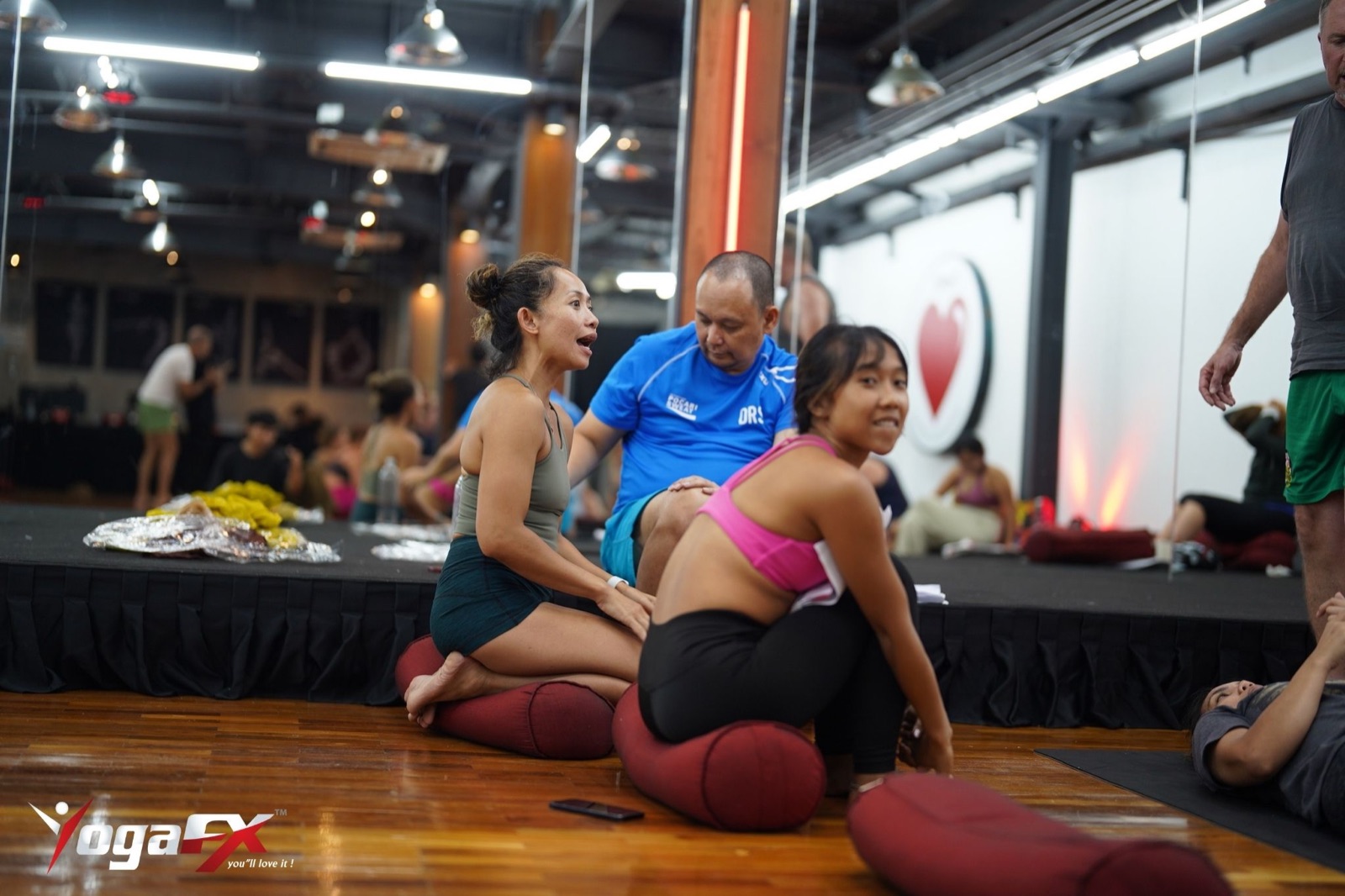
Training Route for a Male Yoga Teacher at YogaFX
Mr. Ian Terry, Founder and Lead Instructor at YogaFX, is an E-RYT 500 teacher who trained for five years, from 2014 to 2019, with the founder of the Bikram Hot 26&2 method. He started YogaFX in 2017, and the academy has graduated 1,500+ trainees from 80+ countries.
The YogaFX MasterClass is a six-day hybrid course. You complete the pre-course online work, then train in an intensive in Bali. Graduates earn the Yoga Alliance RYT 200-Hour certification and the Bikram Hot 26&2 200-Hour International Yoga Certification.
Becoming a male yoga teacher is not a shortcut to a full class. Skill, reliability and kindness decide that. Gender may open a door with a few students, but it does not keep them coming back.
Whether you are a man or a woman, the route is the same: practise, train, then teach. Our complete career guide to becoming a Bikram yoga teacher walks through each step in order, from the first class to the first paid one.
Before you decide, ask yourself three plain questions. Do you already practise regularly? Can you stand in the heat for 90 minutes and stay clear-headed? And do you enjoy helping strangers feel capable? Yes to all three is a good start.
FAQ
What is a male yoga teacher called?
A male yoga teacher is usually called a yoga teacher or a yoga instructor, with no separate title. Some traditions use the word guru or yogi for a man who teaches, but modern studios simply say teacher. In a hot 26&2 class, students often use first names or "Mr." plus a surname.
What should a male yoga teacher wear in a hot room?
Most teachers choose light, breathable shorts and a fitted tank or short-sleeved top that does not catch when they move. Choose fabric that wicks sweat and stays in place. Keep a spare towel and a change of clothes for the second class. Your studio may also set its own rules.
Is yoga good for men?
Yoga can be a safe form of activity for healthy men when practised properly with a qualified instructor, according to the US National Center for Complementary and Integrative Health. It is not a treatment for any condition. Hot yoga adds overheating and dehydration risks, so talk to a healthcare professional first if you have concerns.
Do I need to be flexible to train as a male yoga teacher?
No. Many men start with stiff hips and tight backs, and teaching is about clear instruction, not impressive flexibility. You do need regular practice, reasonable fitness and the ability to cope with heat. A good course builds your skills step by step, so honest effort matters more than your starting range.
How do male yoga teachers handle adjustments?
Most start with verbal cues, then ask permission before any touch. They explain where their hand will go, keep contact brief and stop if the student hesitates. Clear consent protects the student and the teacher. Many studios also train teachers to adjust only where the rest of the room can see.
Still have questions? Message Mr. Ian and the YogaFX team on WhatsApp and we will answer them personally.