Pranayama
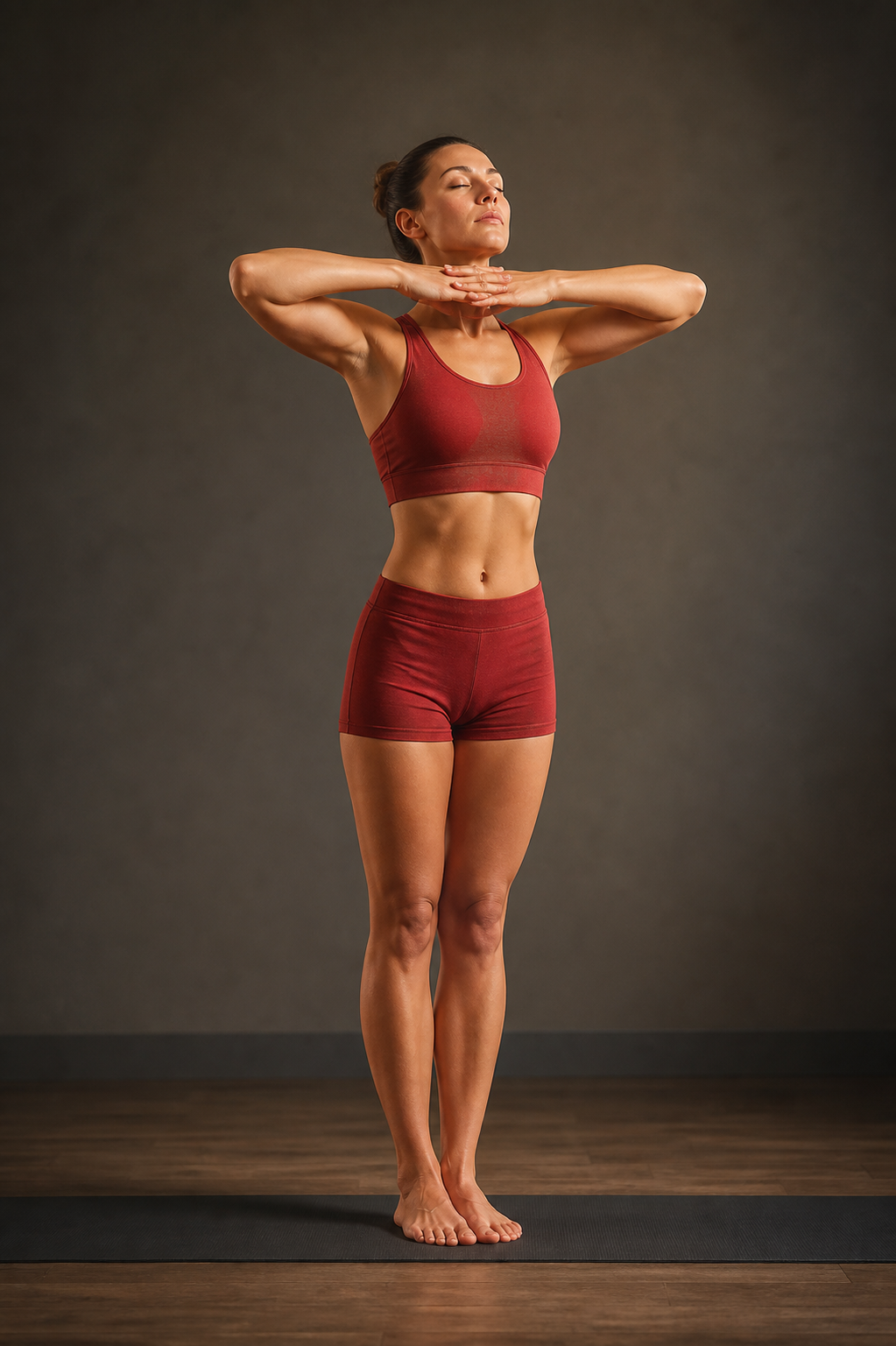
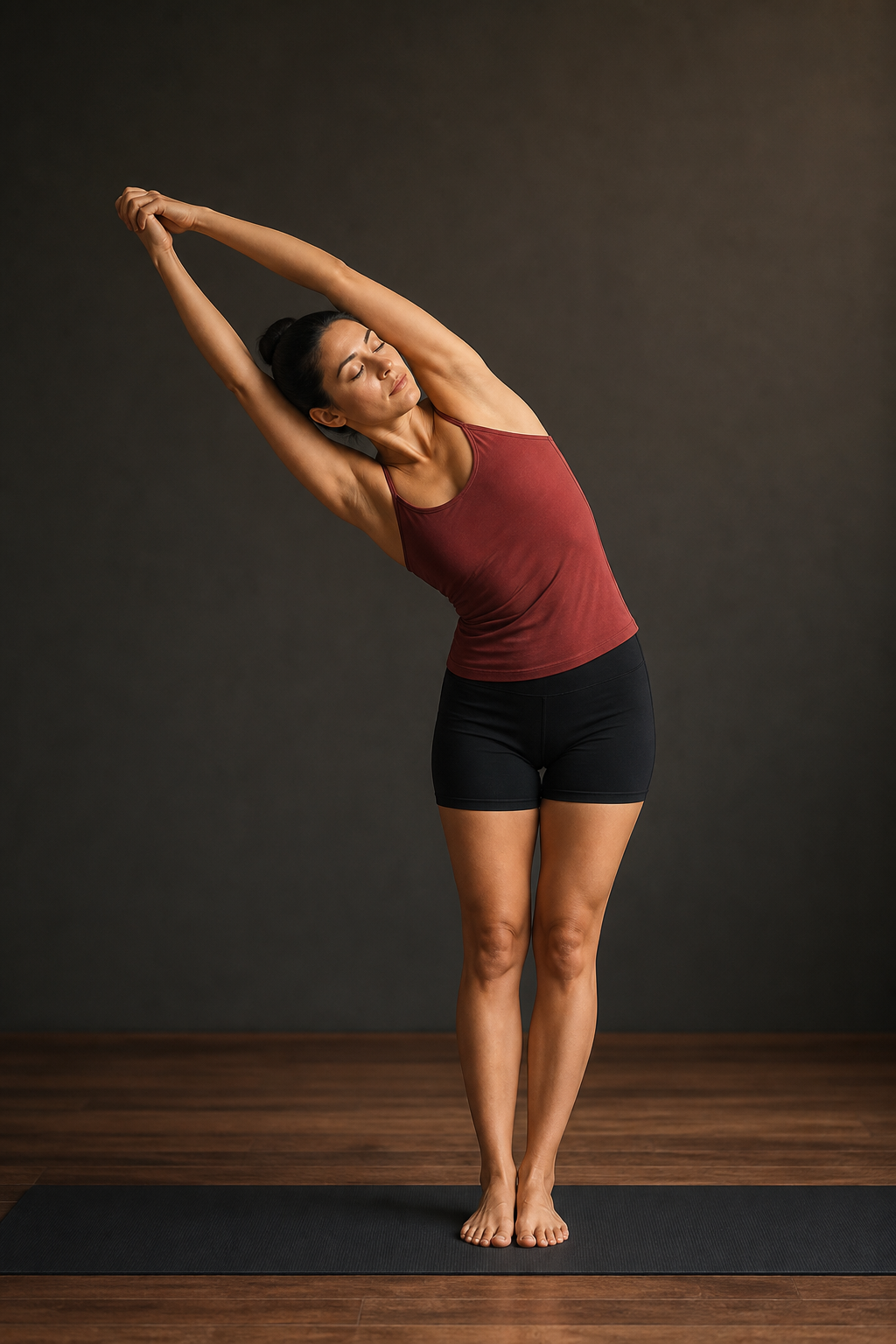
Standing Deep Breathing
Pranayama supports a controlled deep-breathing practice that expands lung capacity, increases blood circulation, and over time can help prevent respiratory issues such as bronchitis or shortness of breath.
Interactive Practice Library
Explore the complete Bikram yoga sequence, learn what each of the 26 Bikram yoga postures does, and use the built-in timer to guide a focused hold.
Find your focus
26 Bikram poses match all difficulty levels, the full body, all wellness benefits.

Standing Deep Breathing
Pranayama supports a controlled deep-breathing practice that expands lung capacity, increases blood circulation, and over time can help prevent respiratory issues such as bronchitis or shortness of breath.

Half-Moon Pose with Hands-to-Feet
Ardha Chandrasana supports strengthens the core and back muscles while comprehensively increasing spinal flexibility. The forward-fold portion boosts blood flow to the head and deeply stretches the hamstrings.

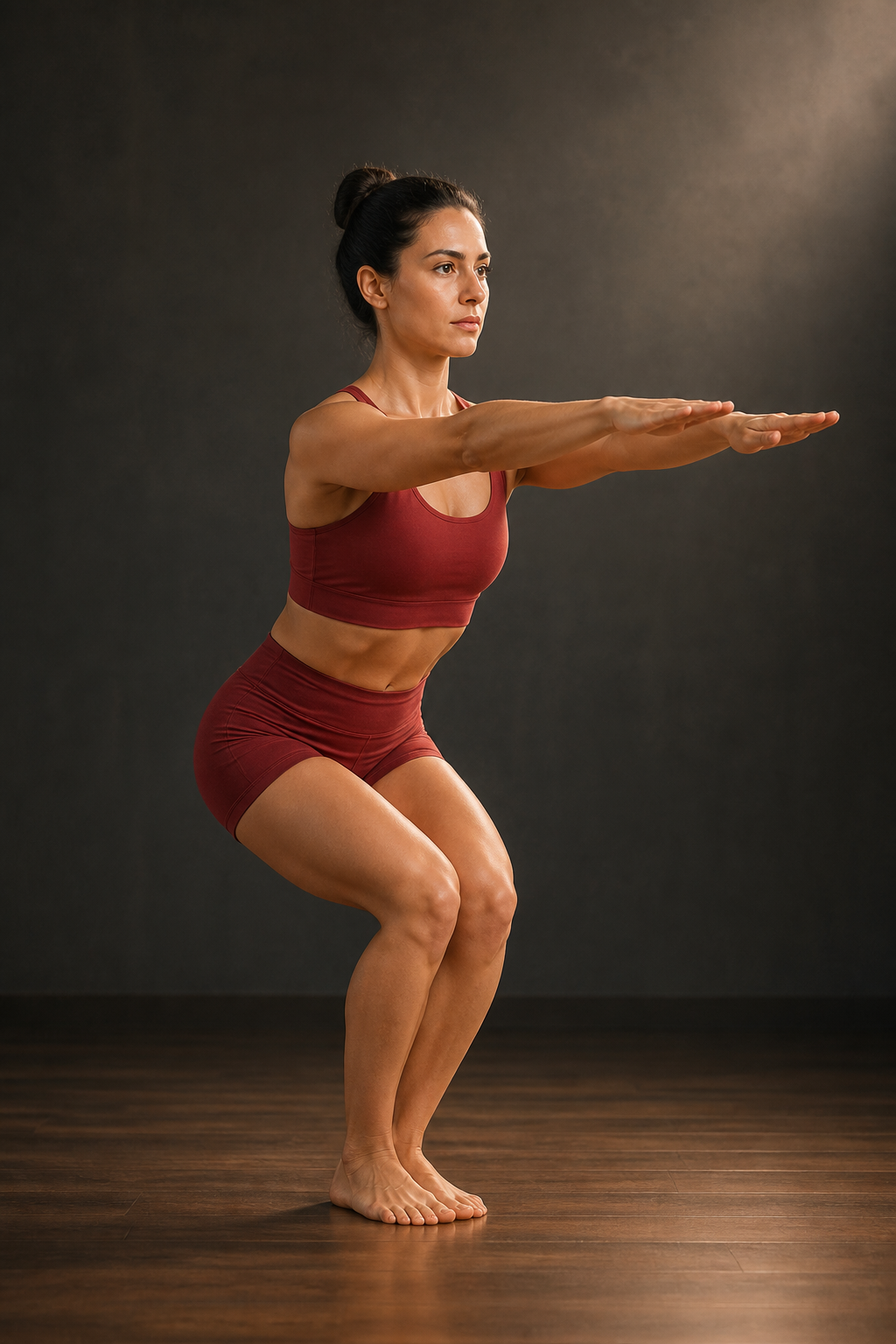
Awkward Pose
Utkatasana supports the three-stage squat tones and strengthens the leg muscles while improving circulation to the knees and ankles, traditionally used to ease mild joint discomfort in that area.

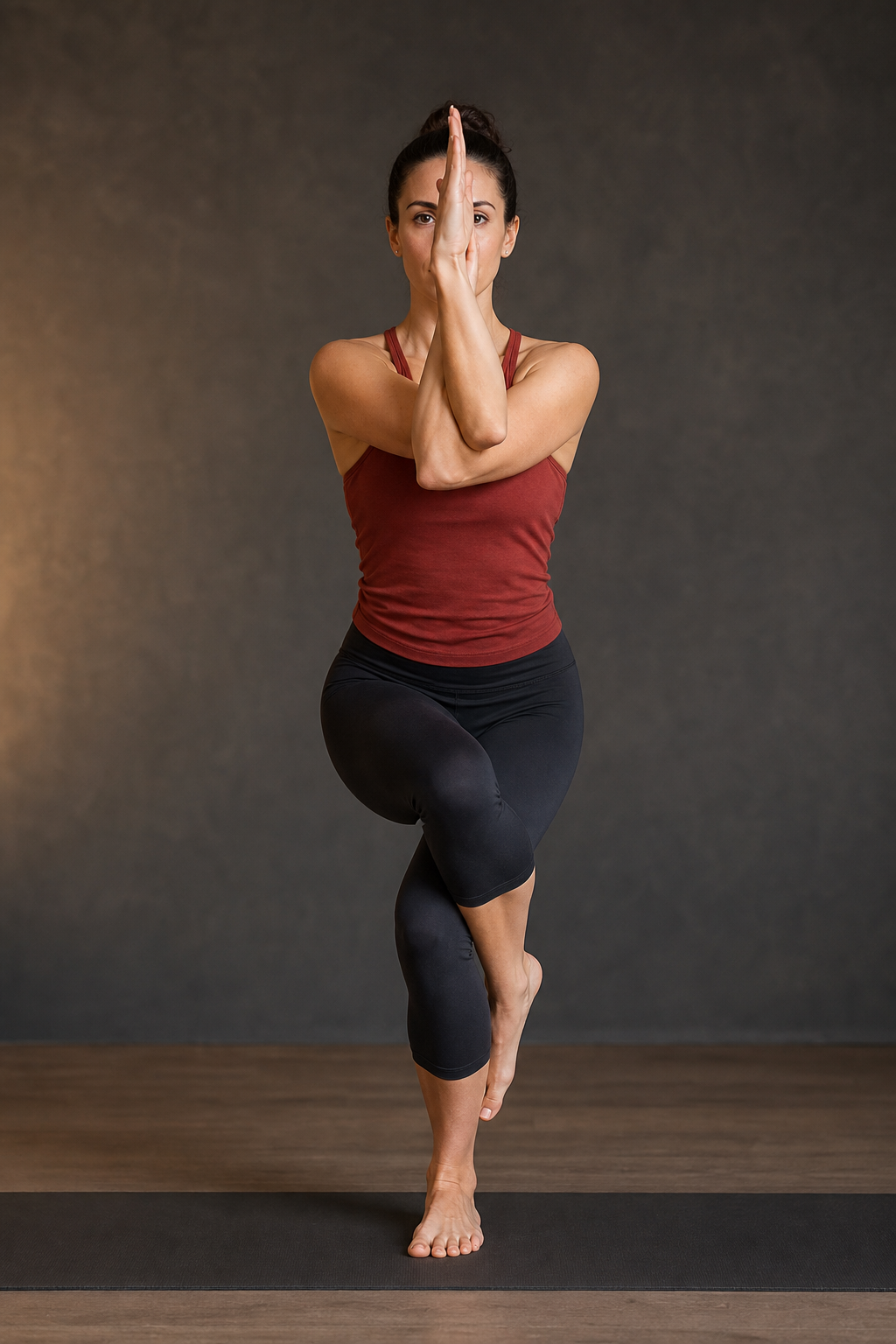
Eagle Pose
Garudasana supports one of the few postures that works nearly all major joints at once, improving hip mobility and balance while encouraging circulation to the lymphatic system.

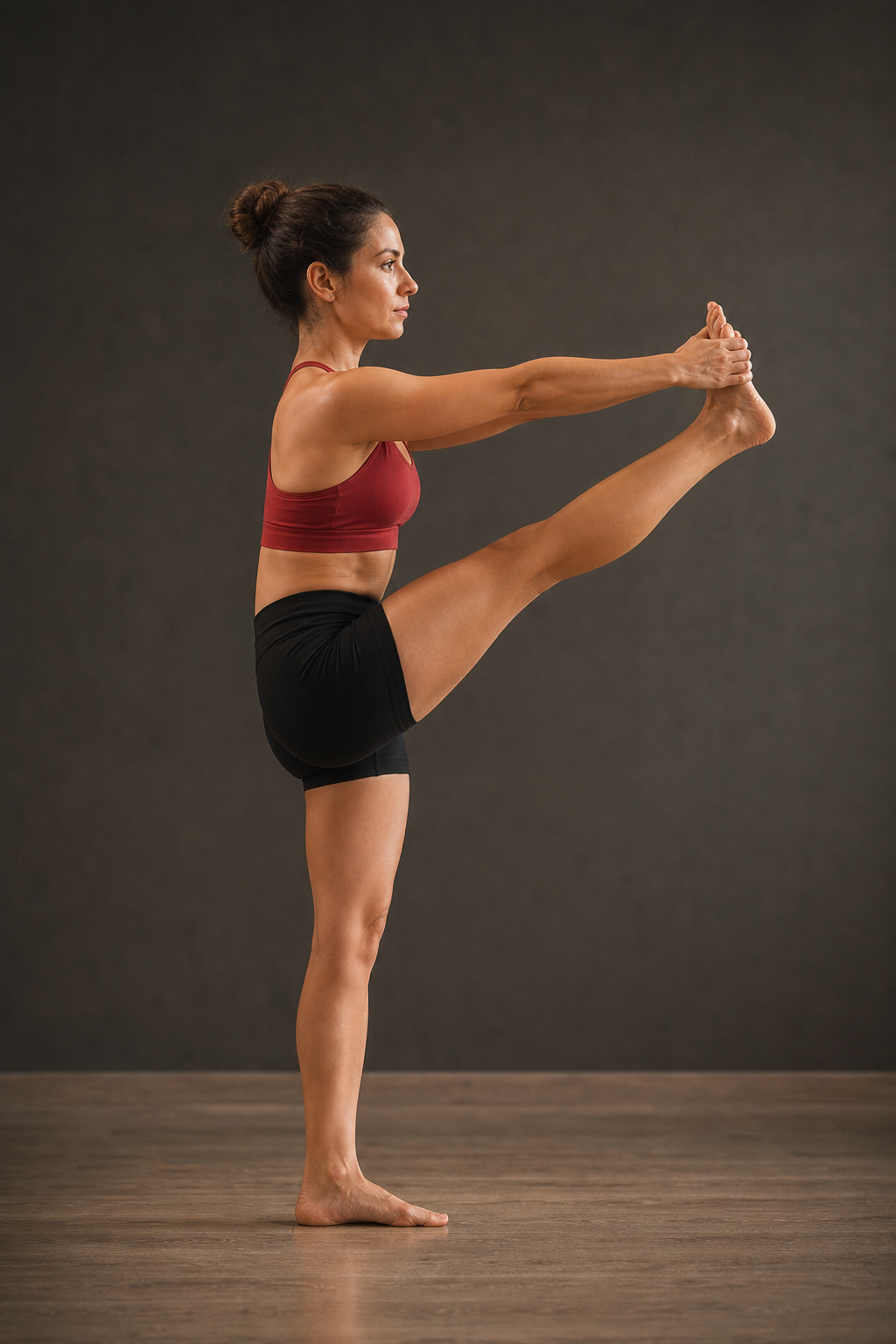
Standing Head-to-Knee
Dandayamana Janushirasana supports one of the most challenging balance postures in the sequence, strengthening the hamstrings, core, and arms while sharpening concentration. Approach it gradually — don't force it early on.

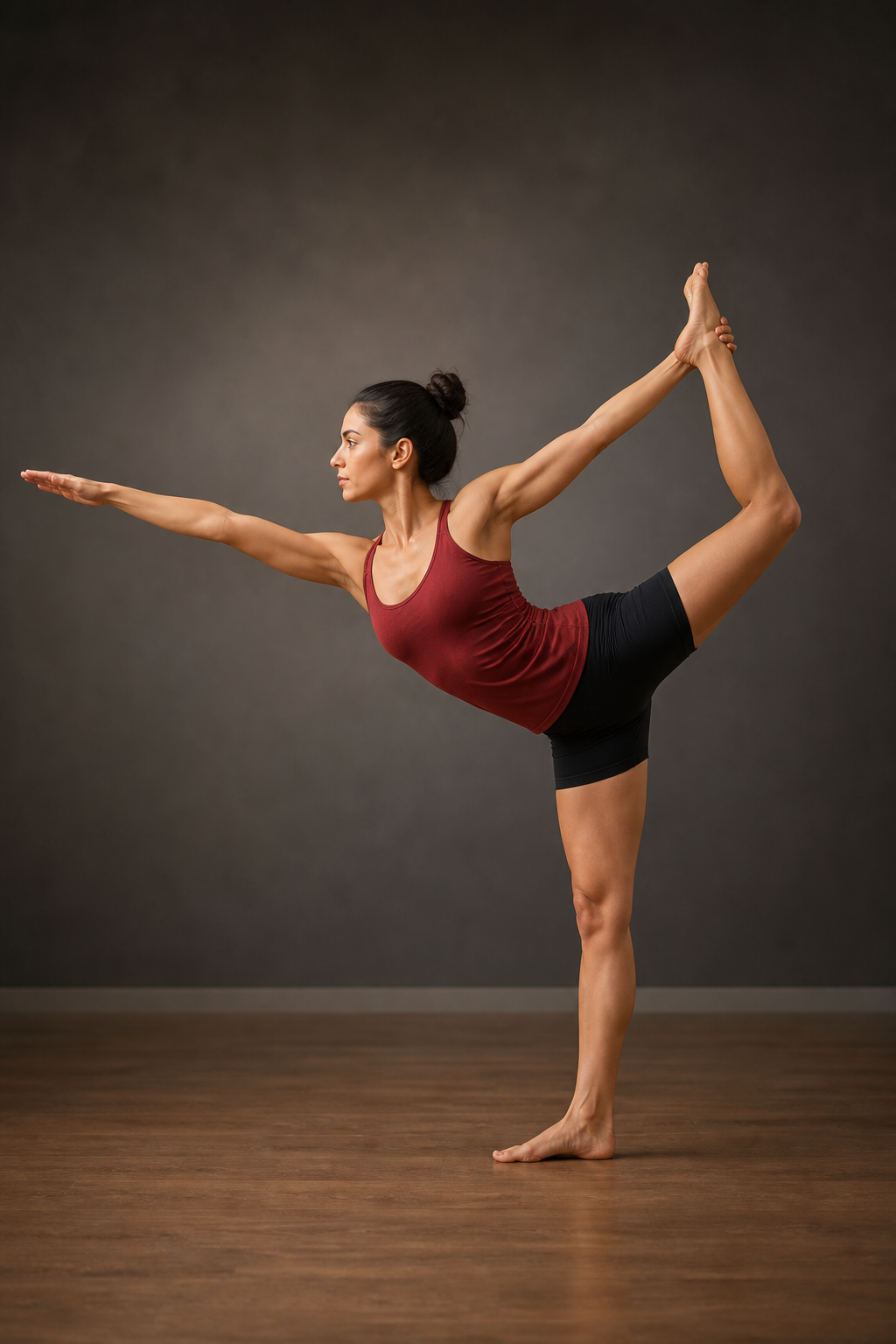
Standing Bow-Pulling Pose
Dandayamana Dhanurasana supports considered Bikram's signature pose: it shifts blood flow from one side of the body to the other before equalizing it again. Builds shoulder and lower-spine flexibility along with patience and focus.

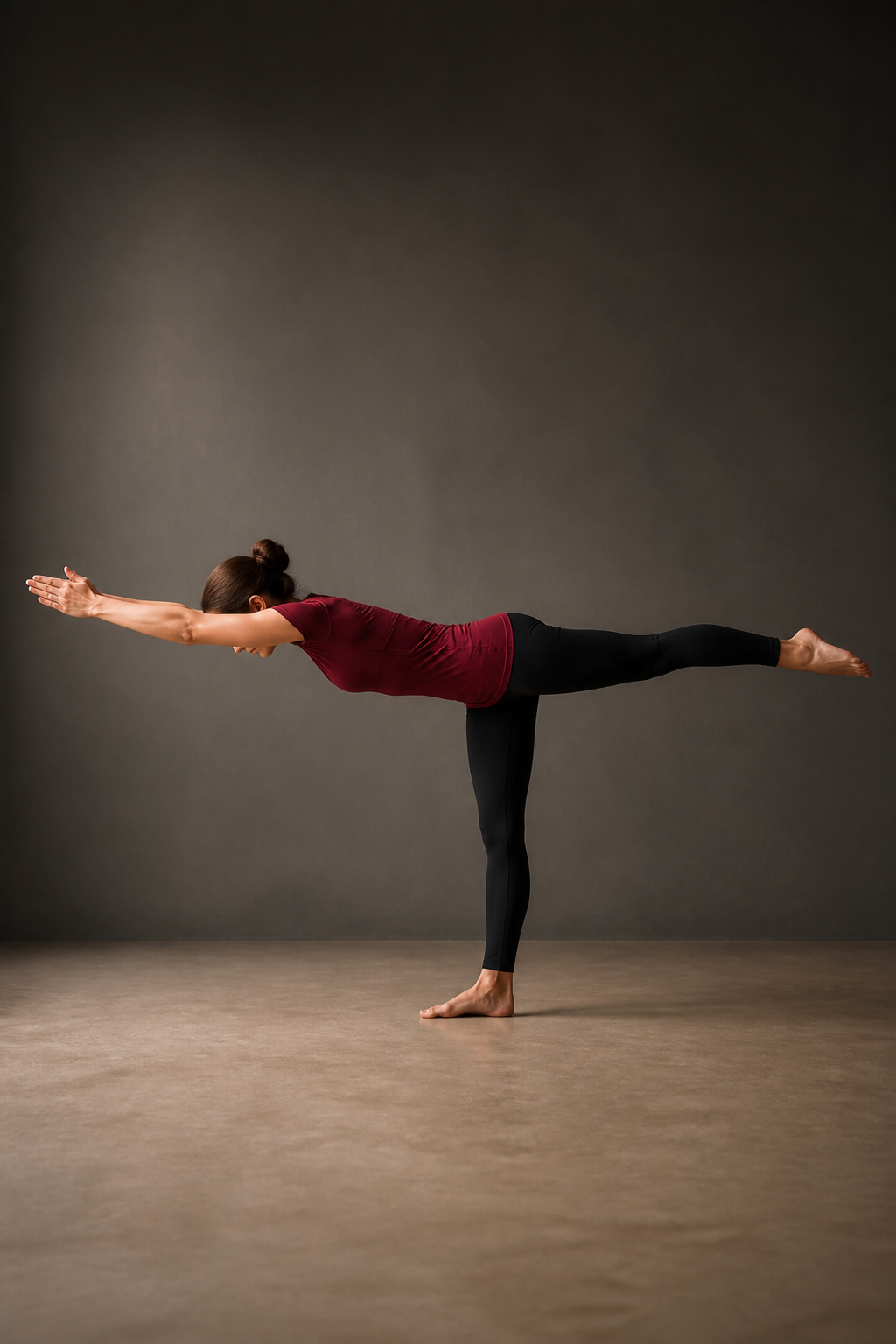
Balancing Stick
Tuladandasana supports though held for only about 10 seconds, this pose sends a fast surge of blood to the heart and brain, strengthening the heart muscle and training focus and control in a short burst.

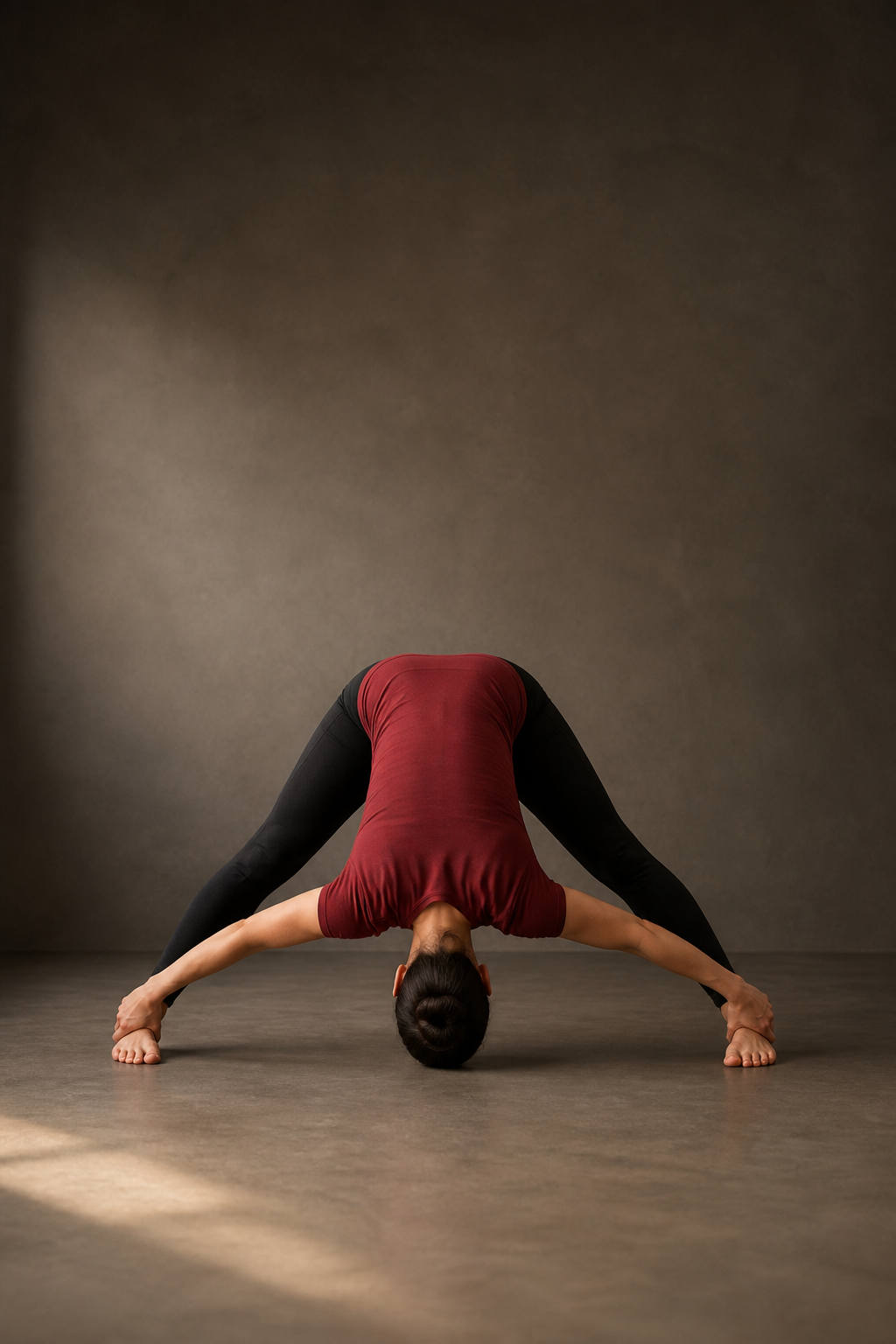
Standing Separate-Leg Stretching Pose
Dandayamana Bibhaktapada Paschimottanasana supports deeply stretches the sciatic nerve and hamstrings through a wide-stance forward fold, while massaging the abdominal organs and increasing flexibility in the lowest five vertebrae.

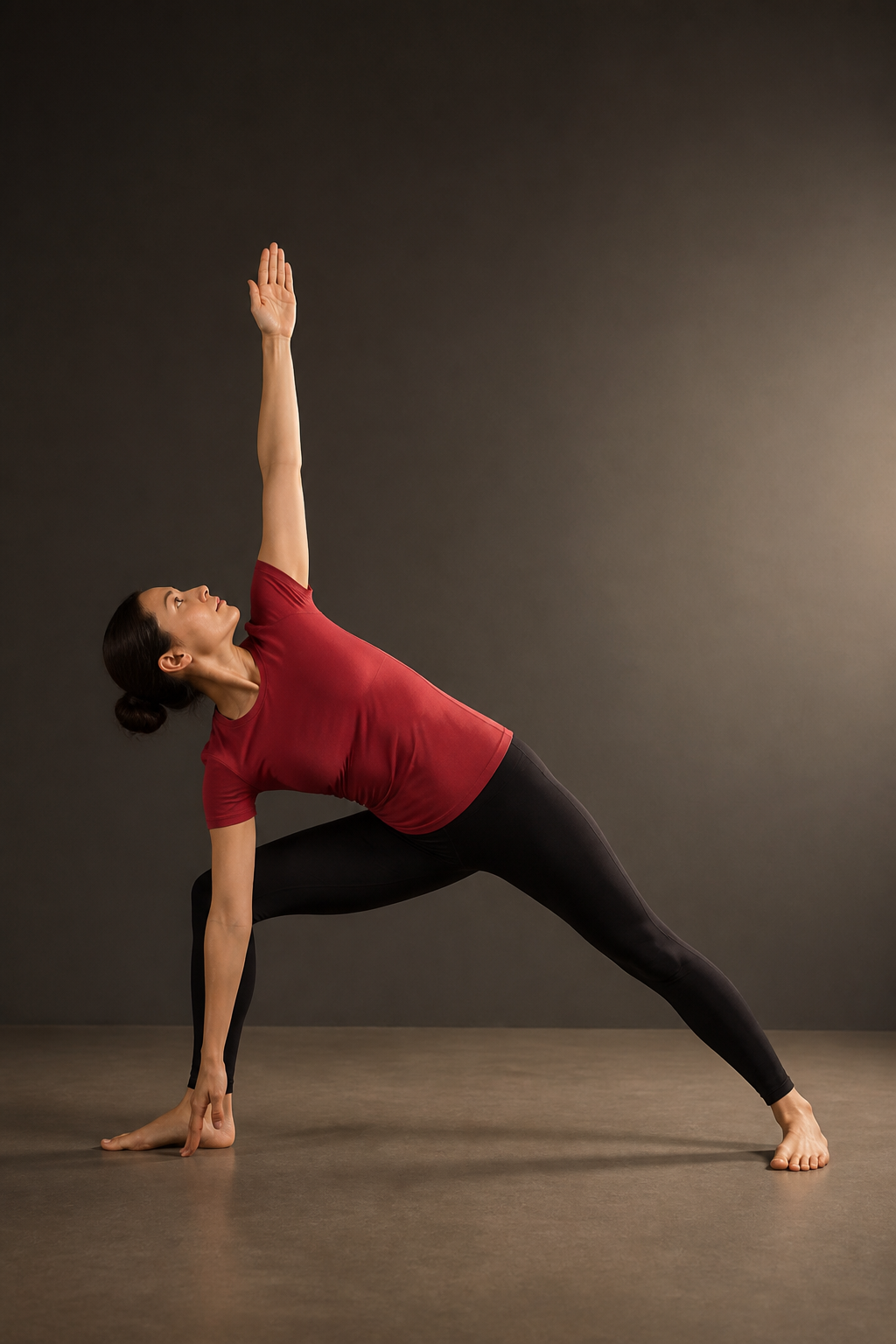
Triangle Pose
Trikonasana supports often considered one of the most powerful poses in the sequence because it engages nearly every muscle group at once, opens the hips and shoulders, and pairs heart-lung work in one intense cardio stretch.

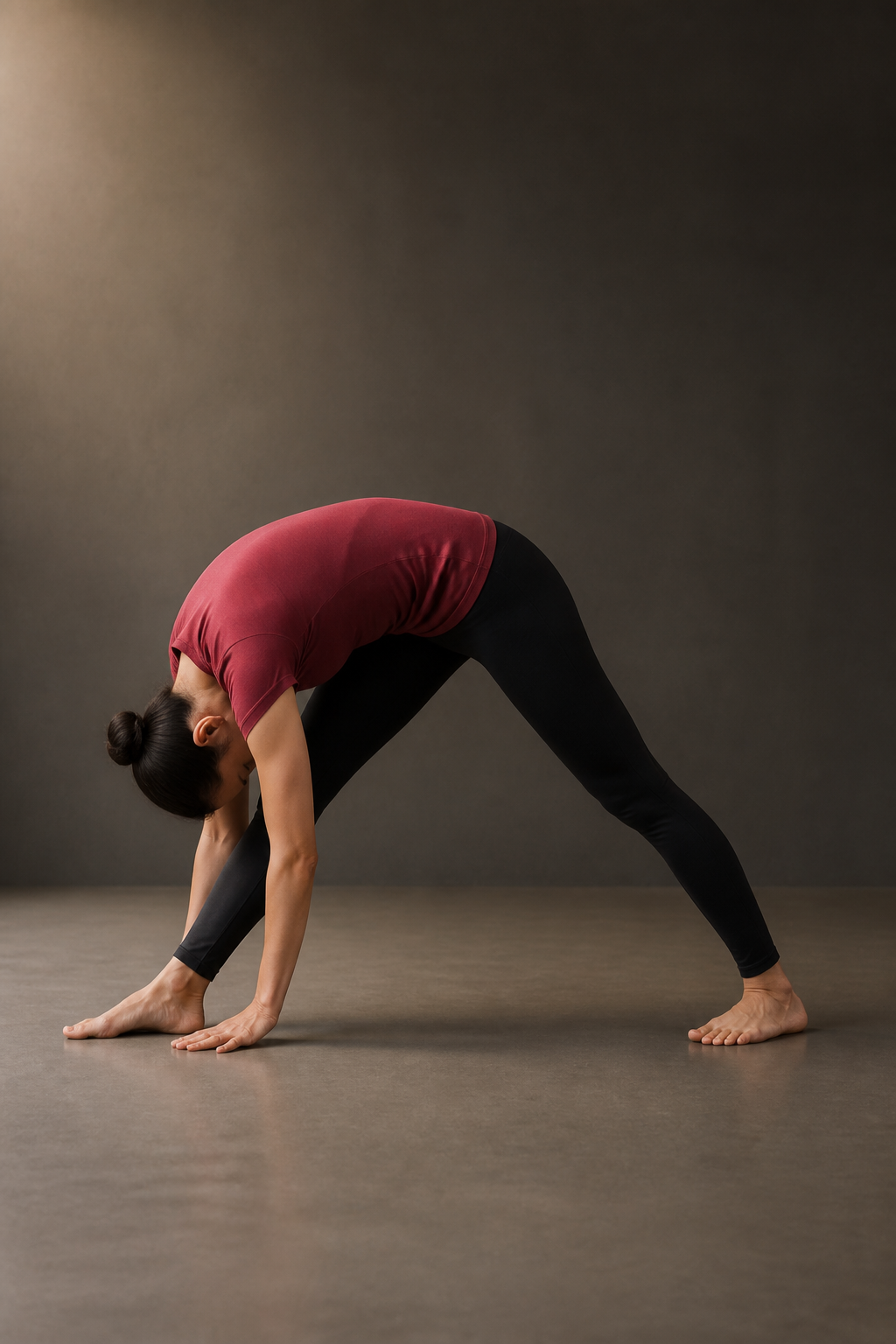
Standing Separate-Leg Head-to-Knee Pose
Dandayamana Bibhaktapada Janushirasana supports compresses the throat and front of the body to stimulate glands important for hormone balance and metabolism, while intensely stretching the legs and shoulders.

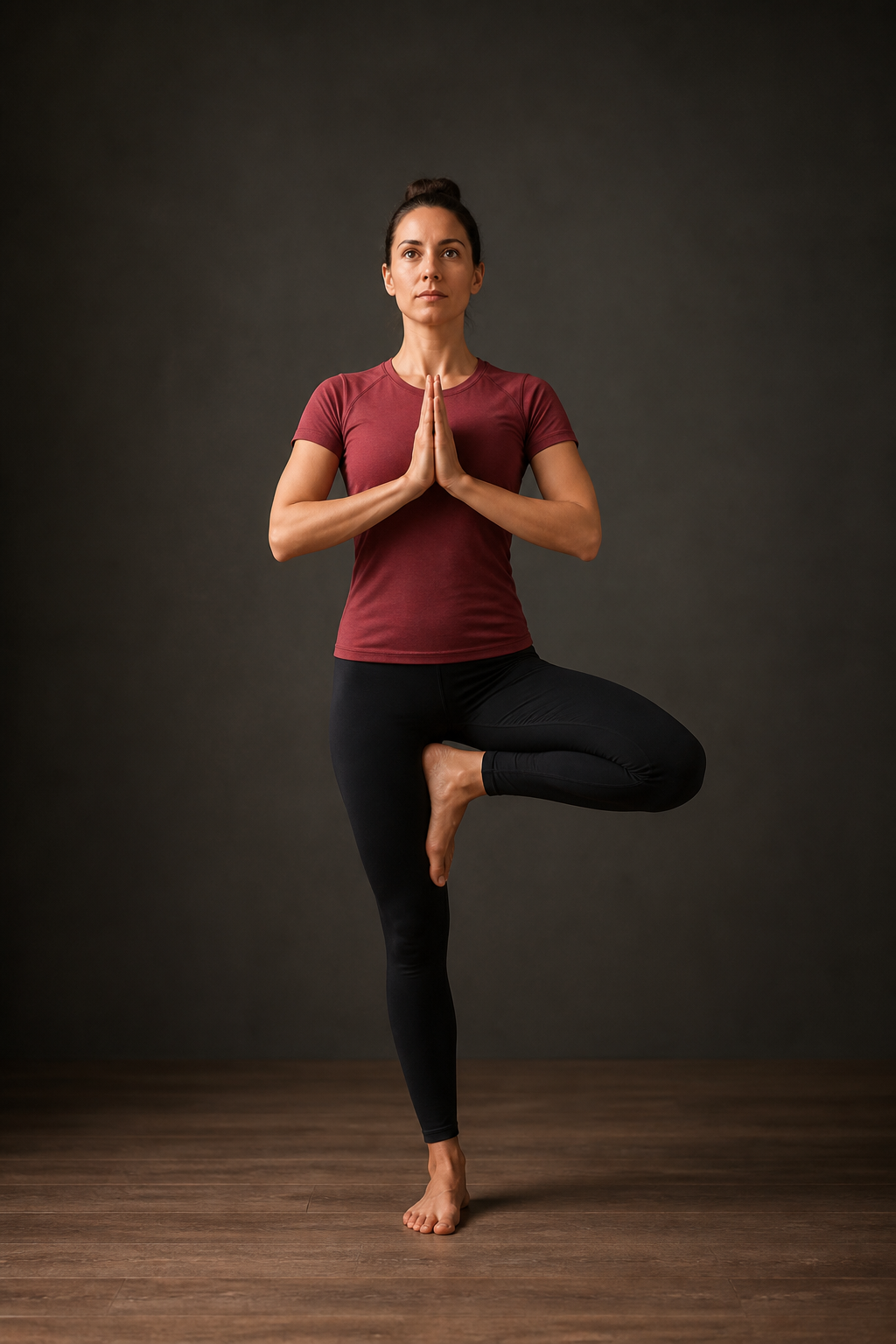
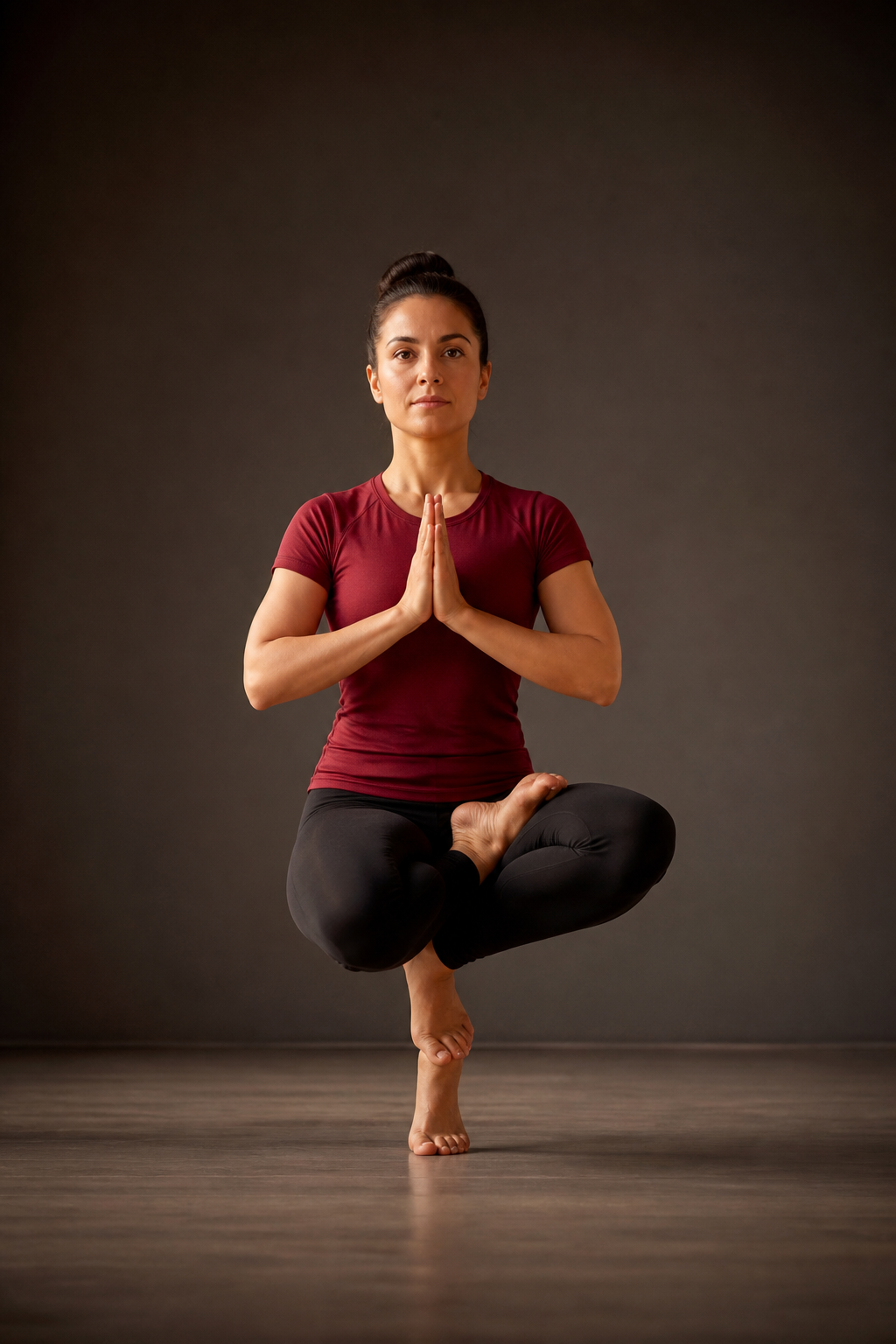
Tree Pose
Tadasana supports a calmer balance posture that opens the hip joint sideways and lets the heart rate begin settling after the more demanding standing postures before it.

Toe Stand
Padangustasana supports one of the most demanding balance postures in the sequence, strengthening the knees, ankles, and feet while building the mental resilience needed to move into the floor series.

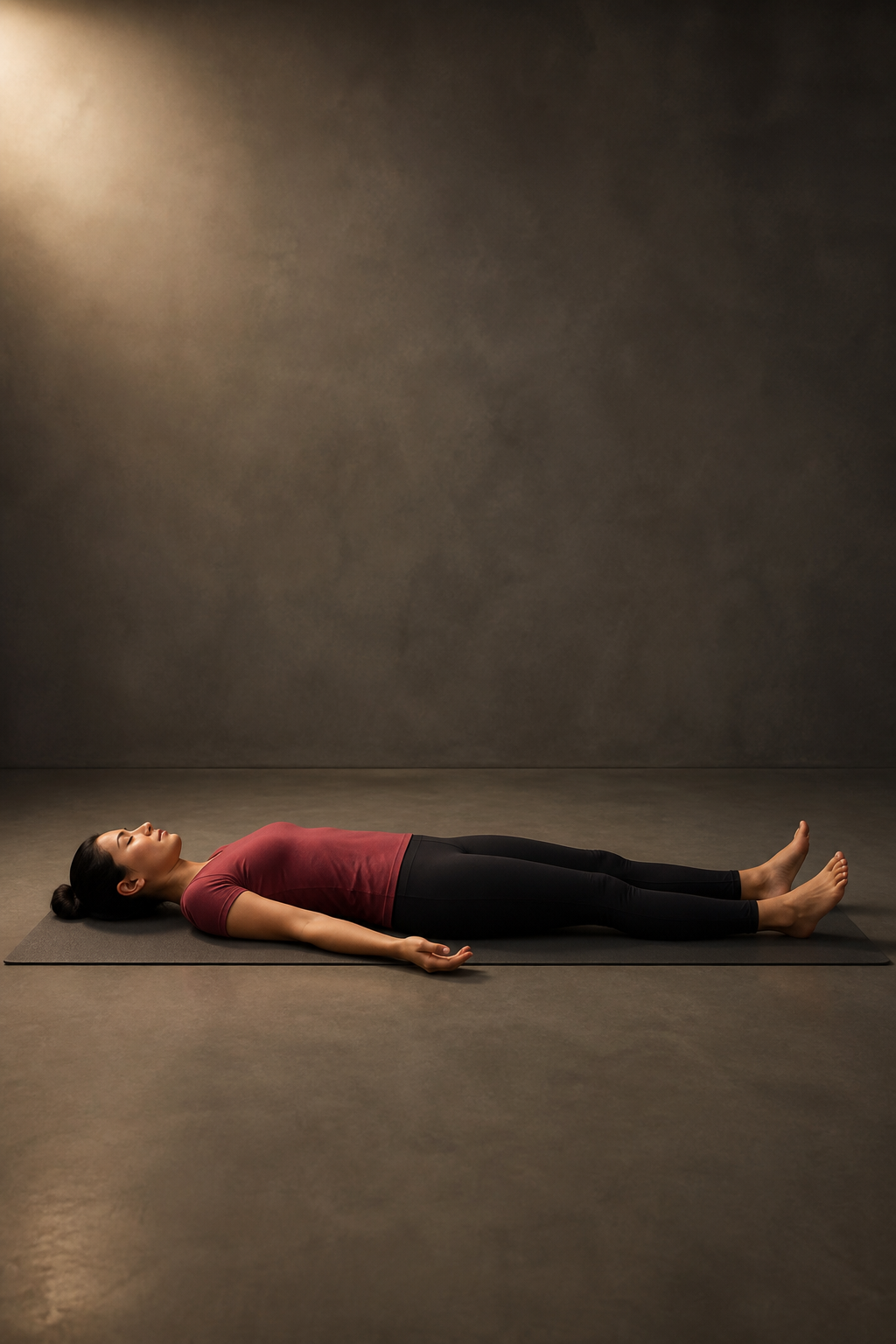
Dead Body Pose
Savasana supports an important supine pause between the standing and floor series, letting circulation return to normal and consolidating the benefits of the preceding postures before the body moves into the next series.

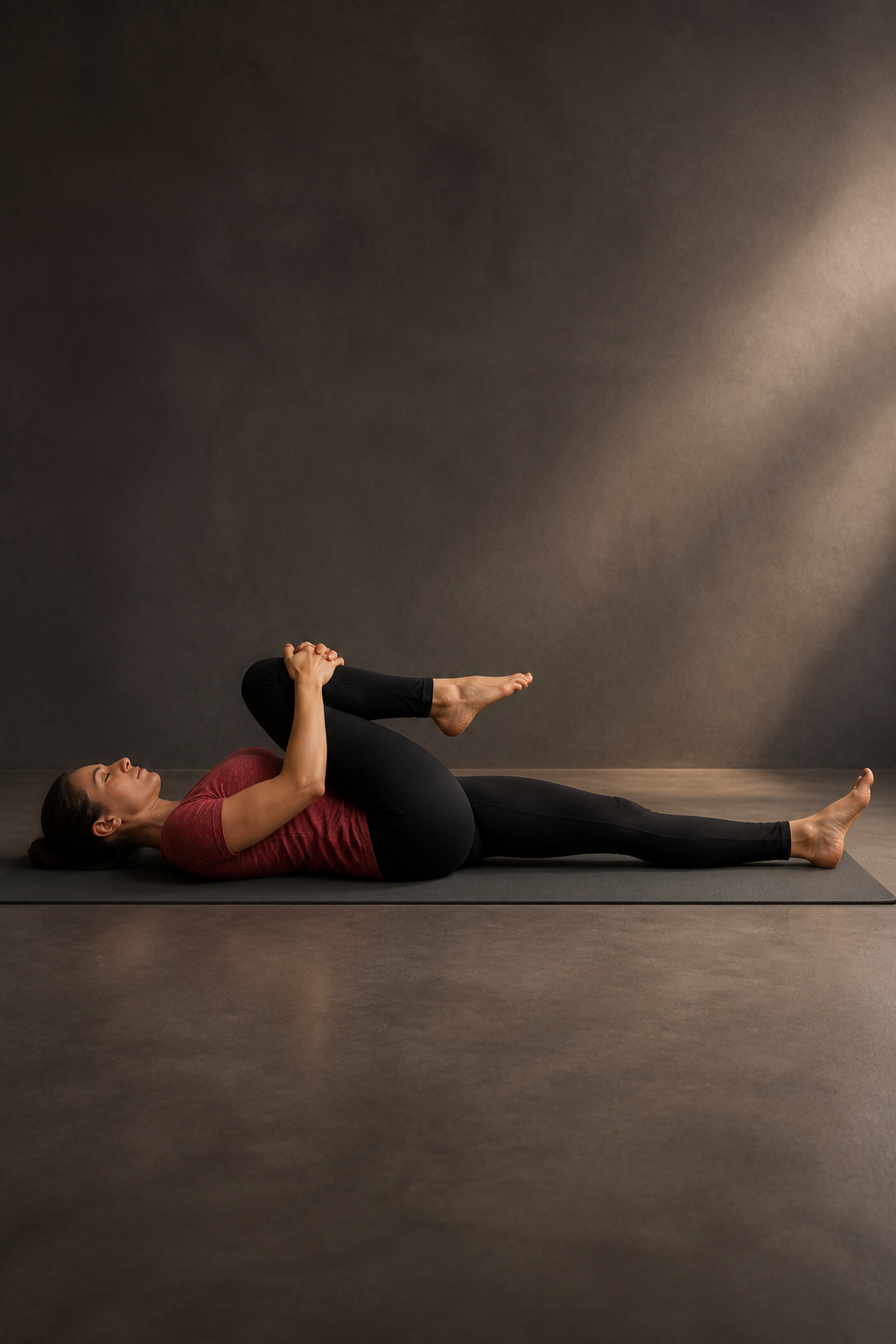
Wind-Removing Pose
Pavanamuktasana supports massages and compresses the intestines to support digestion, stretches the hip joints, and gently decompresses the lower spine.

Active Transition
Sit-Up supports a core-strengthening transition that renews oxygen in the lungs and provides an energy boost before moving into the next backbend series.

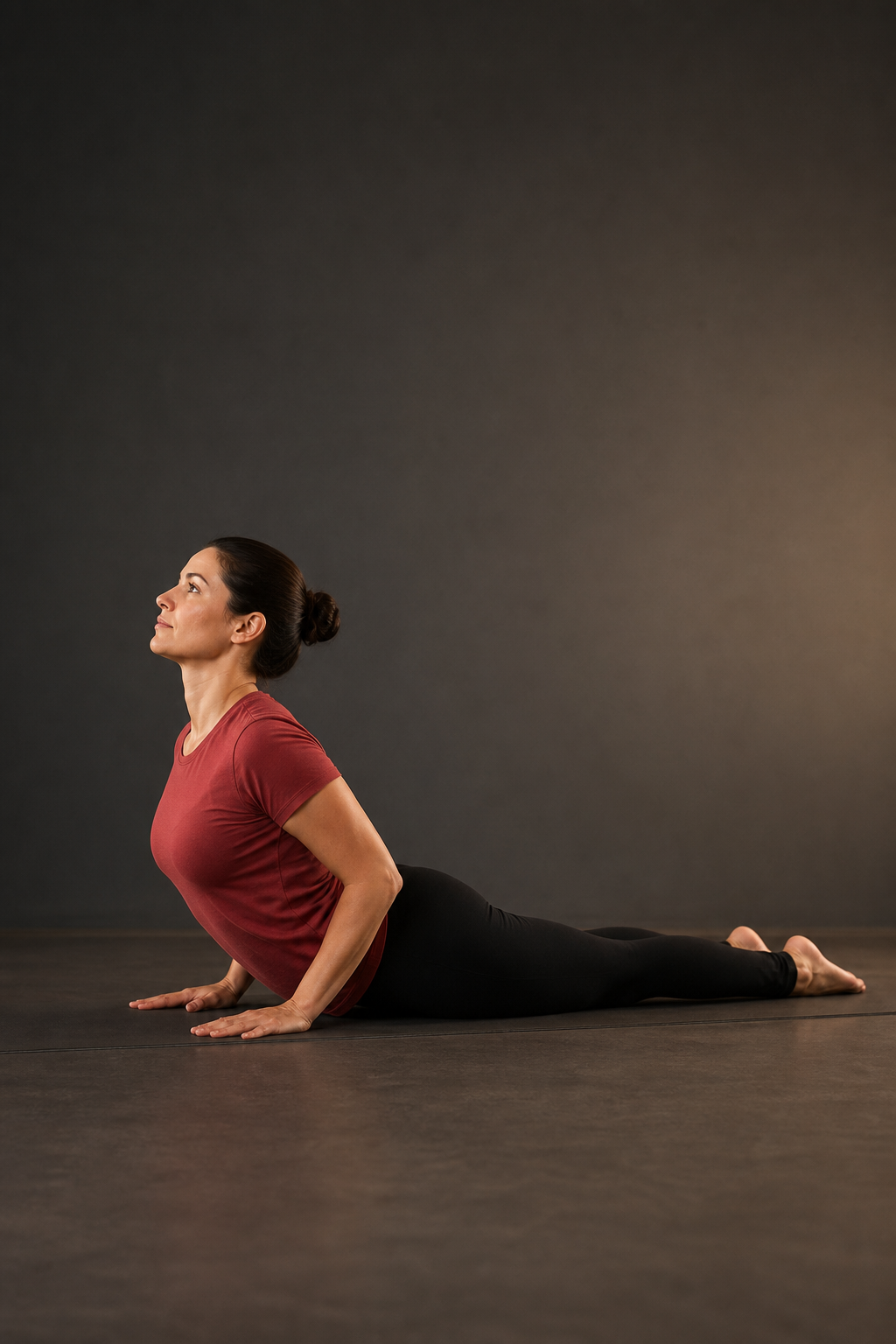
Cobra Pose
Bhujangasana supports the first posture in the backbend 'cobra series', strengthening the lower-back muscles that keep the spine upright while helping to improve posture.

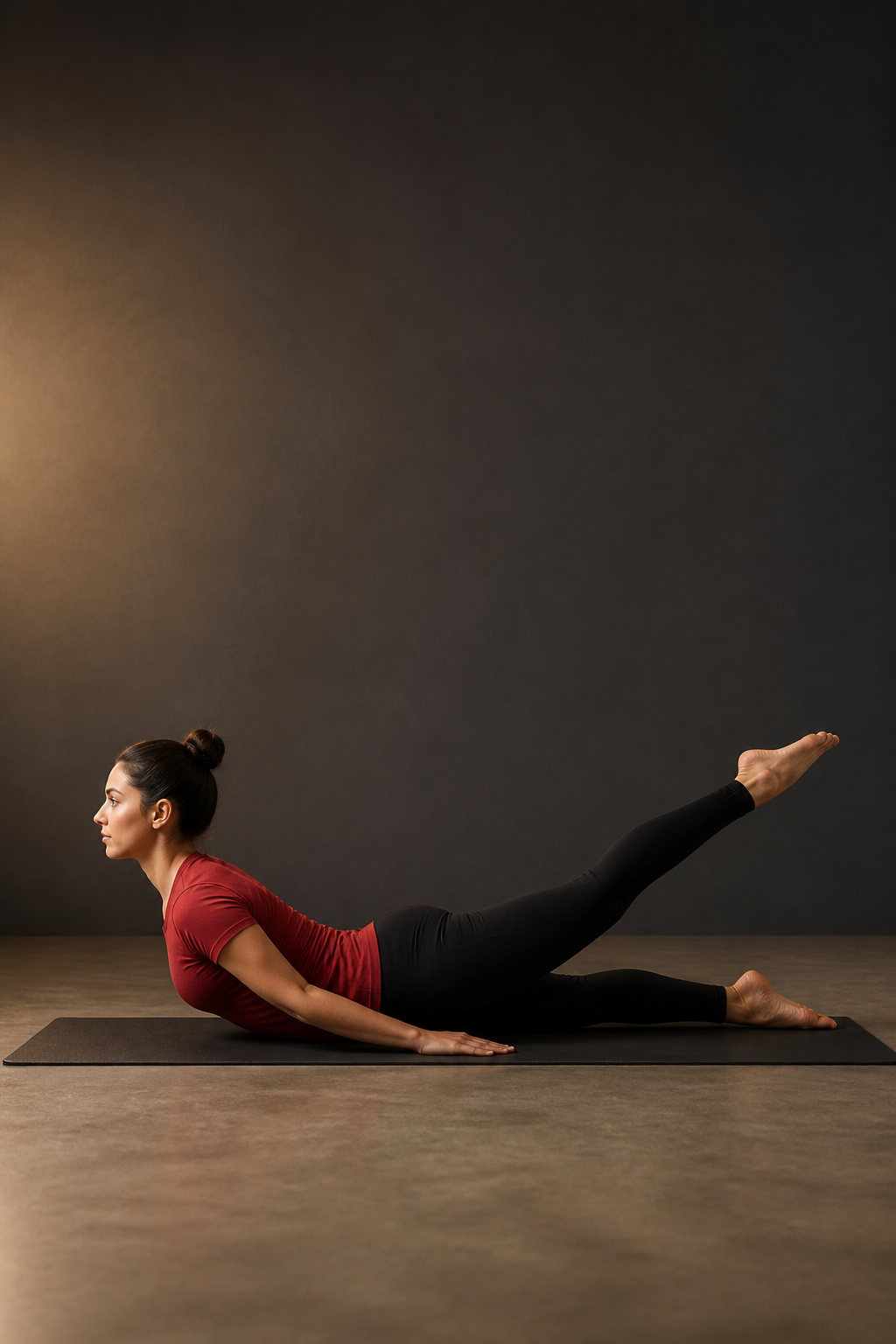
Locust Pose
Salabhasana supports builds on Cobra Pose's benefits with more emphasis on the upper back, traditionally used to help ease sciatic tension and tennis elbow discomfort.

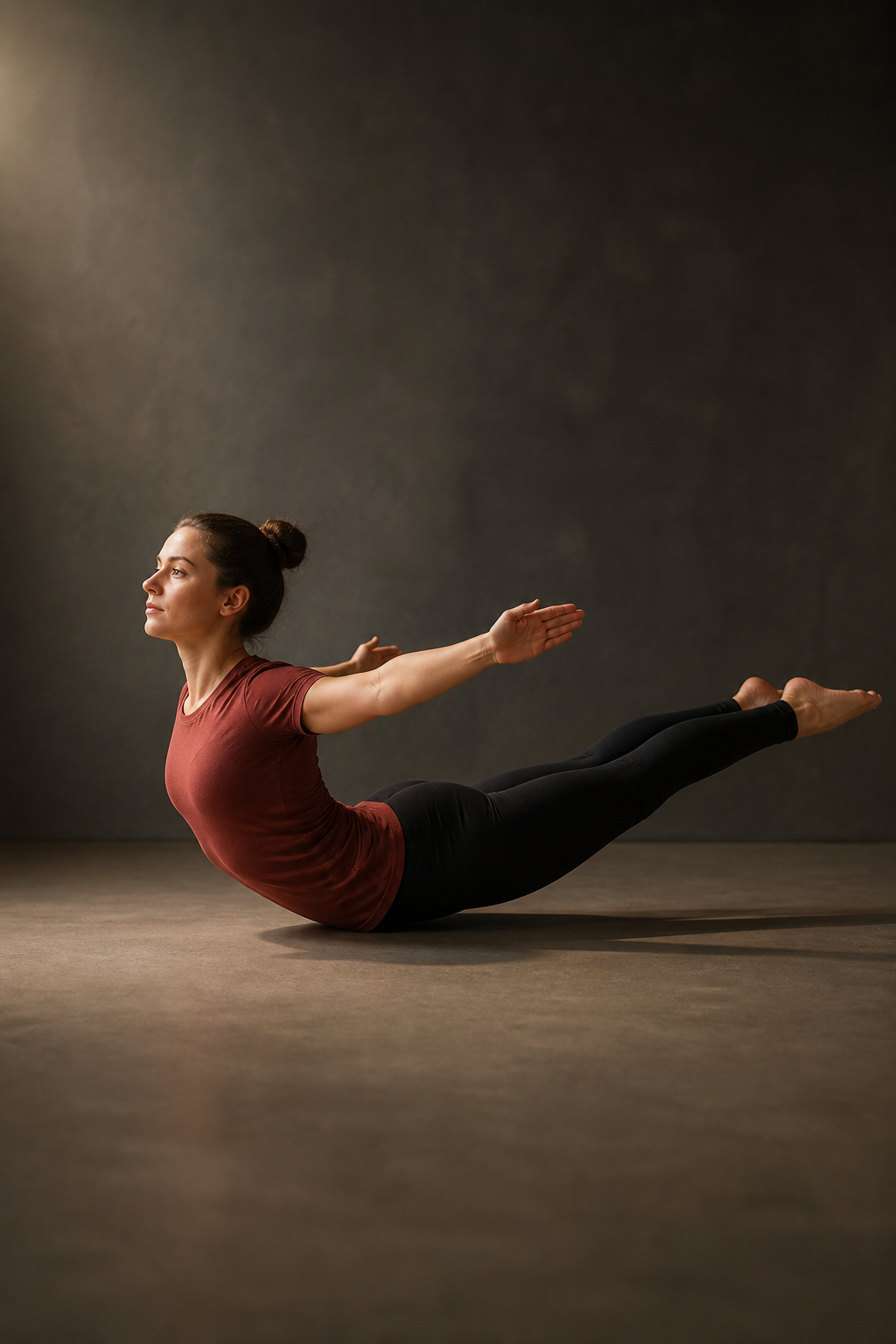
Full Locust Pose
Poorna Salabhasana supports lifts the entire body's weight through the shoulders and arms, targeting mid-spine strength and opening the rib cage further.

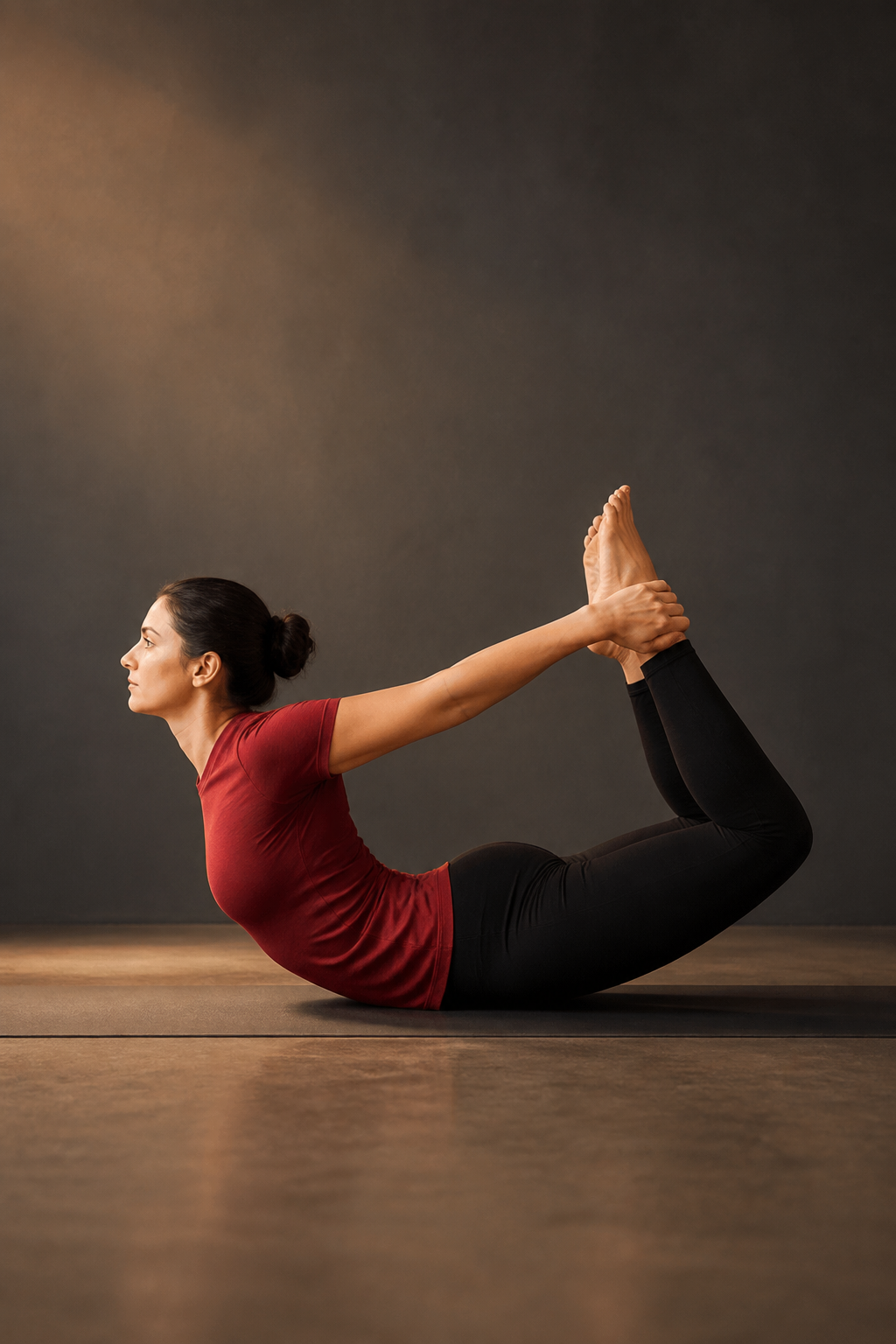
Bow Pose
Dhanurasana supports a full backbend that opens the rib cage for deeper breathing, engages the entire length of the spine, and is traditionally associated with supporting digestion.

Fixed Firm Pose
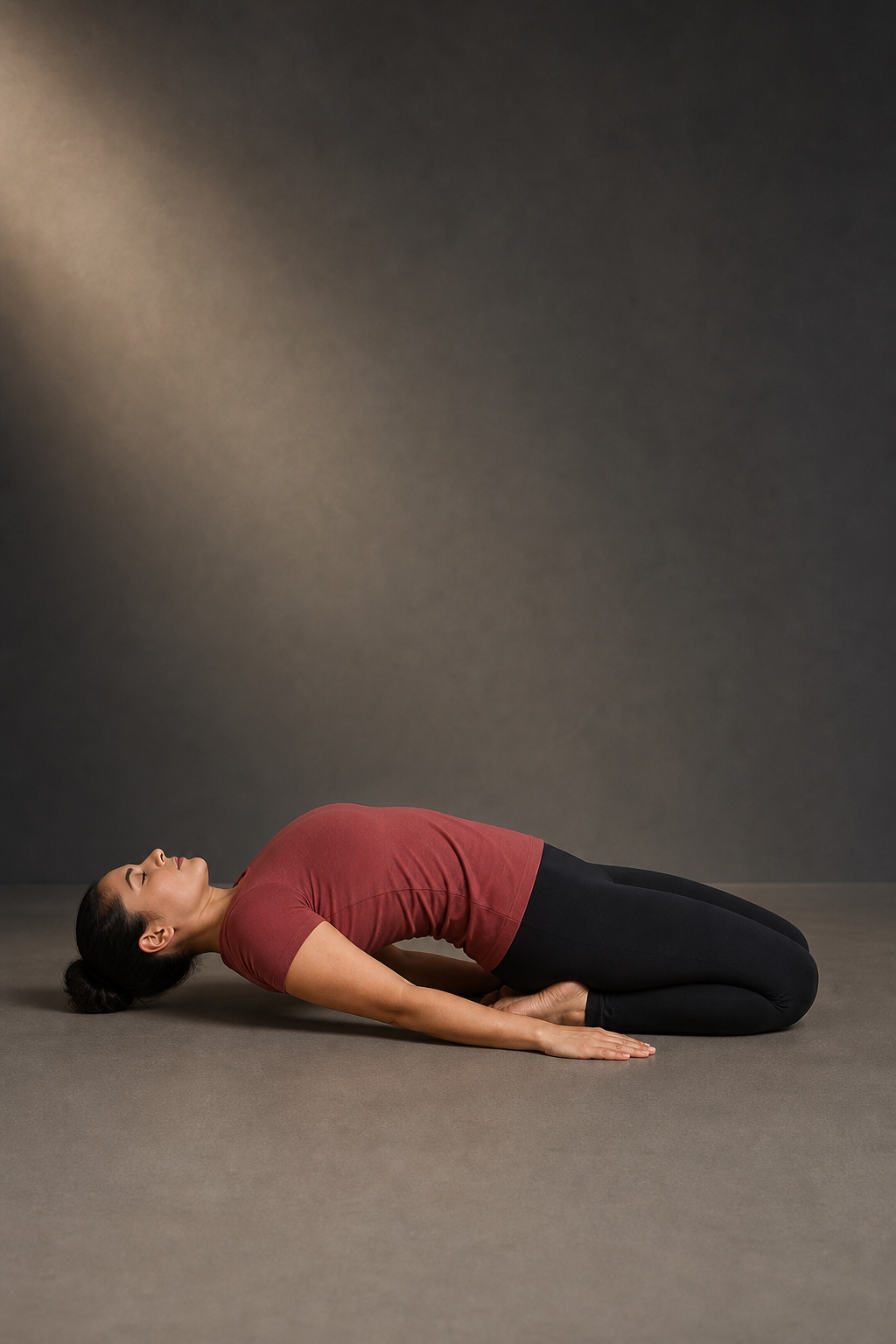
Supta Vajrasana supports deeply opens the front of the knee and ankle joints. Lying fully back takes a bit of courage, and the pose also gently massages the kidney area.

Half Tortoise Pose
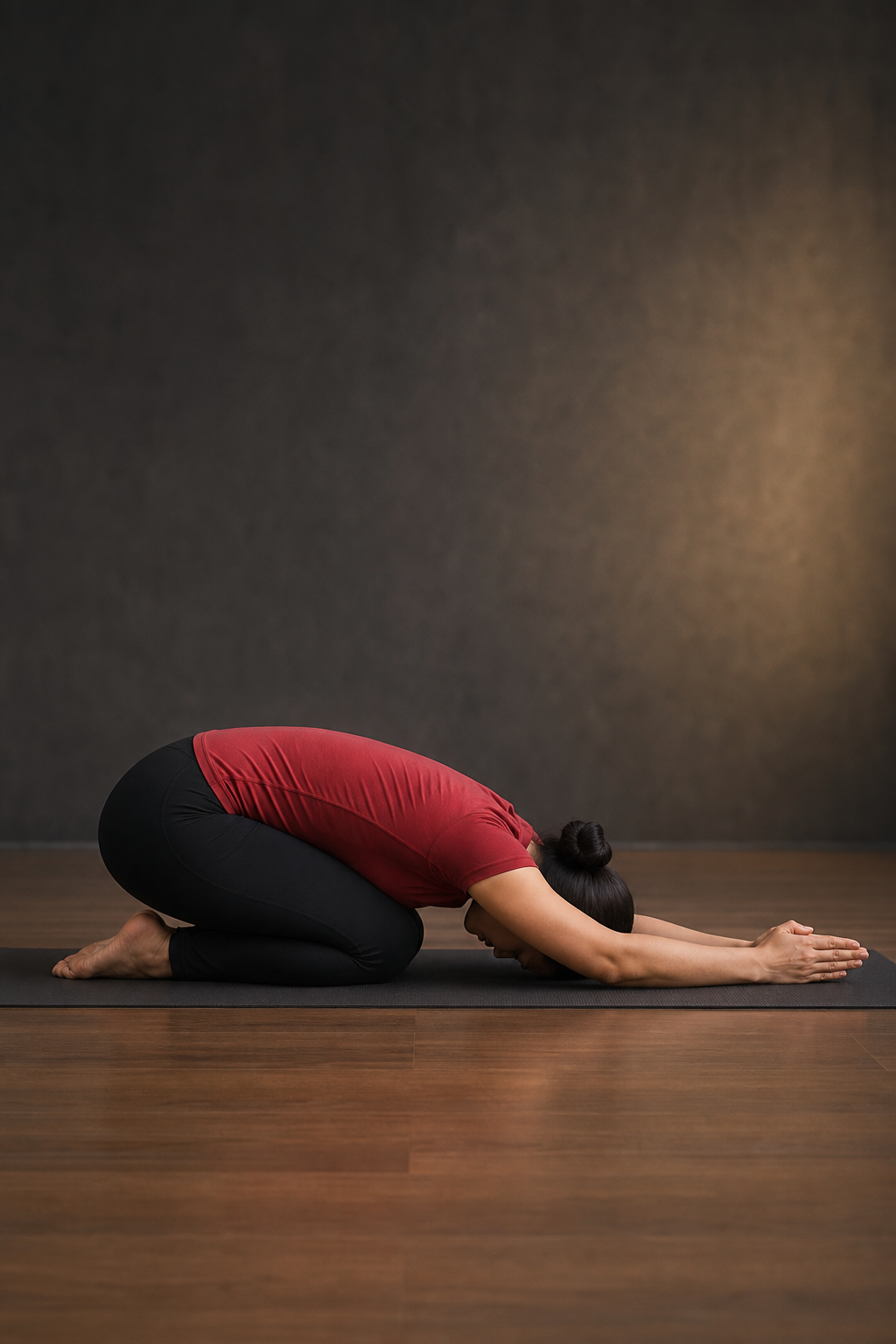
Ardha Kurmasana supports a deeply calming forward fold that increases blood flow to the brain and is traditionally linked to better sleep quality and releasing tension in the neck and shoulders.

Camel Pose
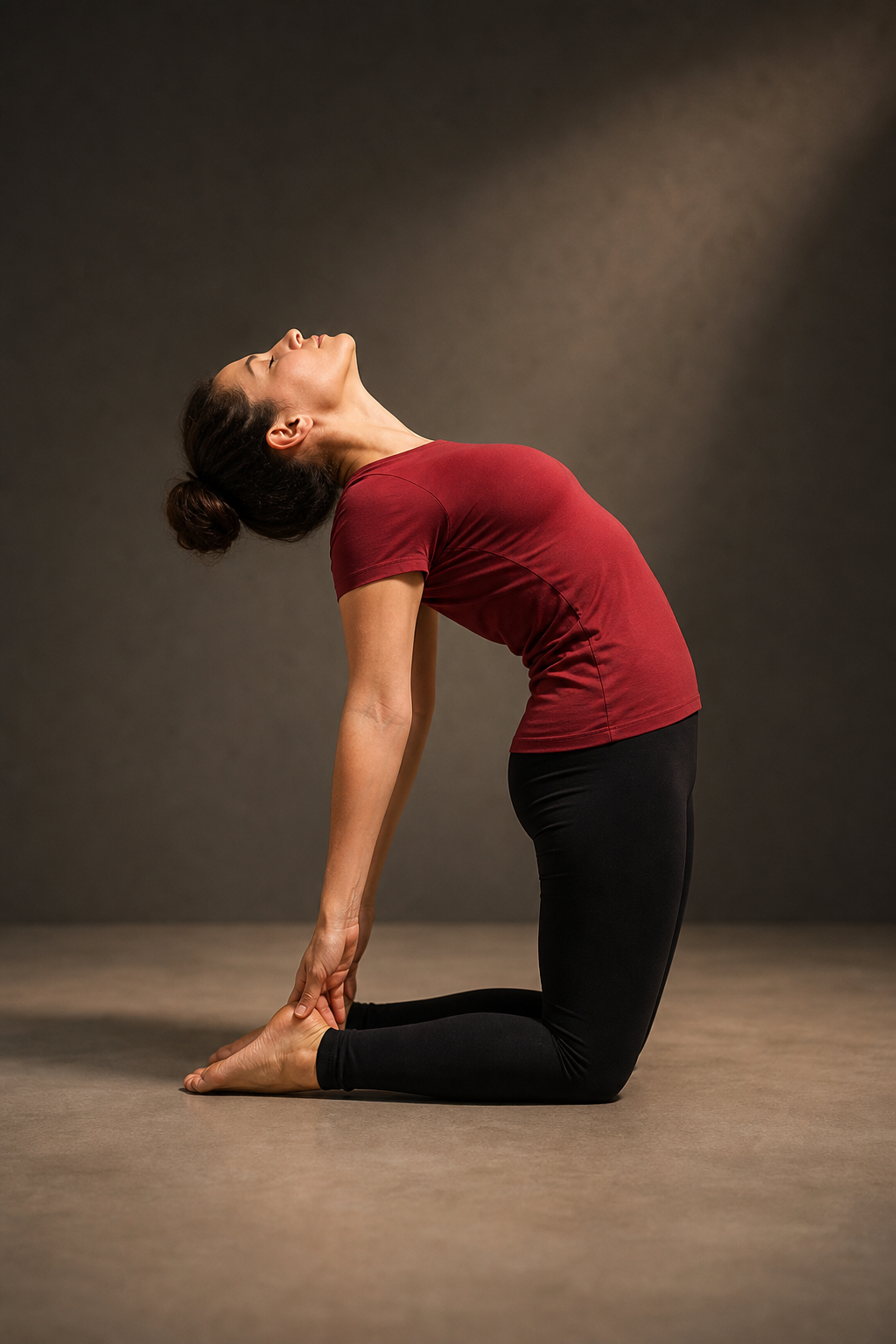
Ustrasana supports the deepest backbend in this part of the sequence, fully opening the chest. It takes some courage at first and is often described as emotionally releasing with regular practice.

Rabbit Pose
Sasangasana supports a counter-stretch after the backbend series, rounding the spine forward to release built-up pressure while easing tension in the neck and shoulders.

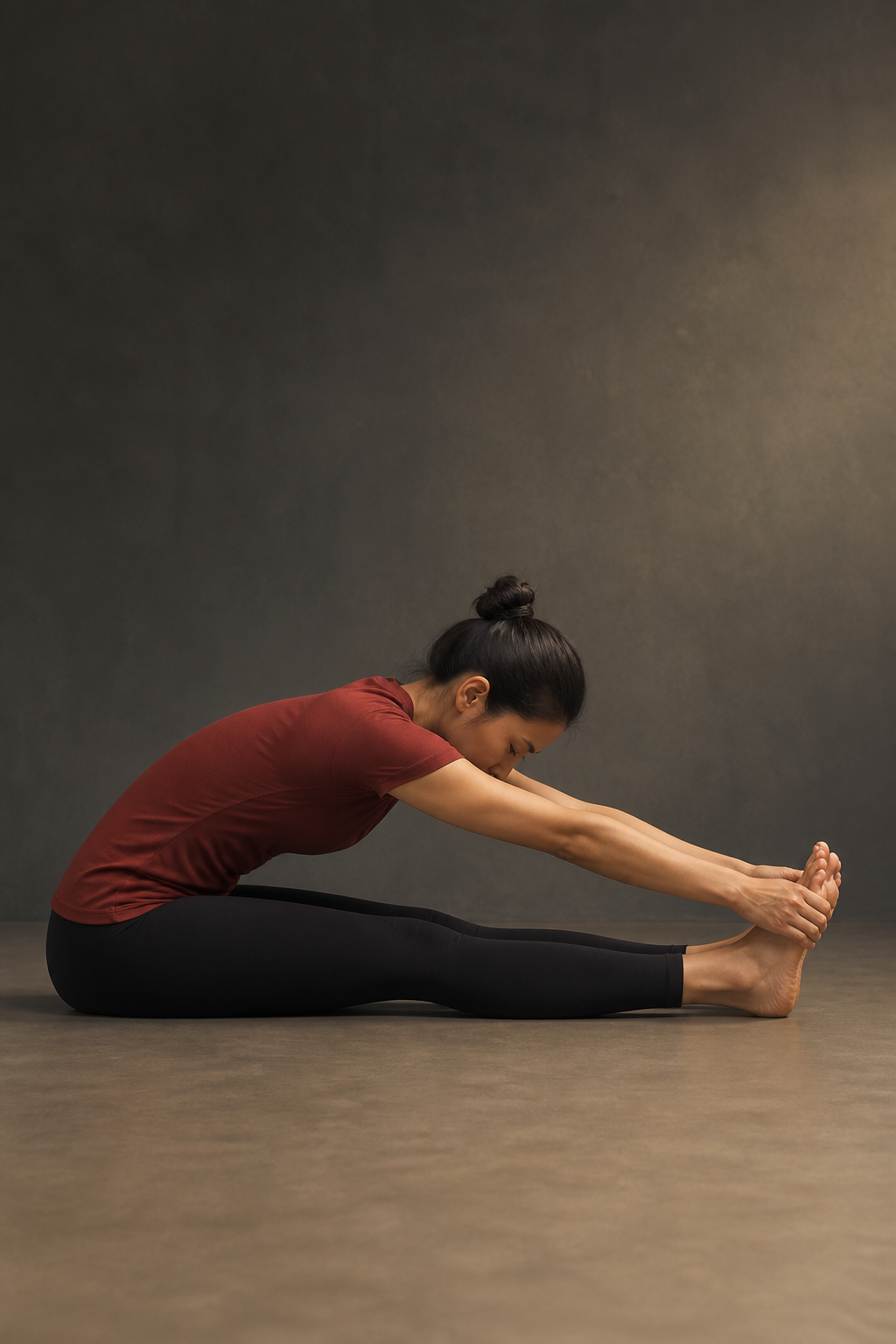
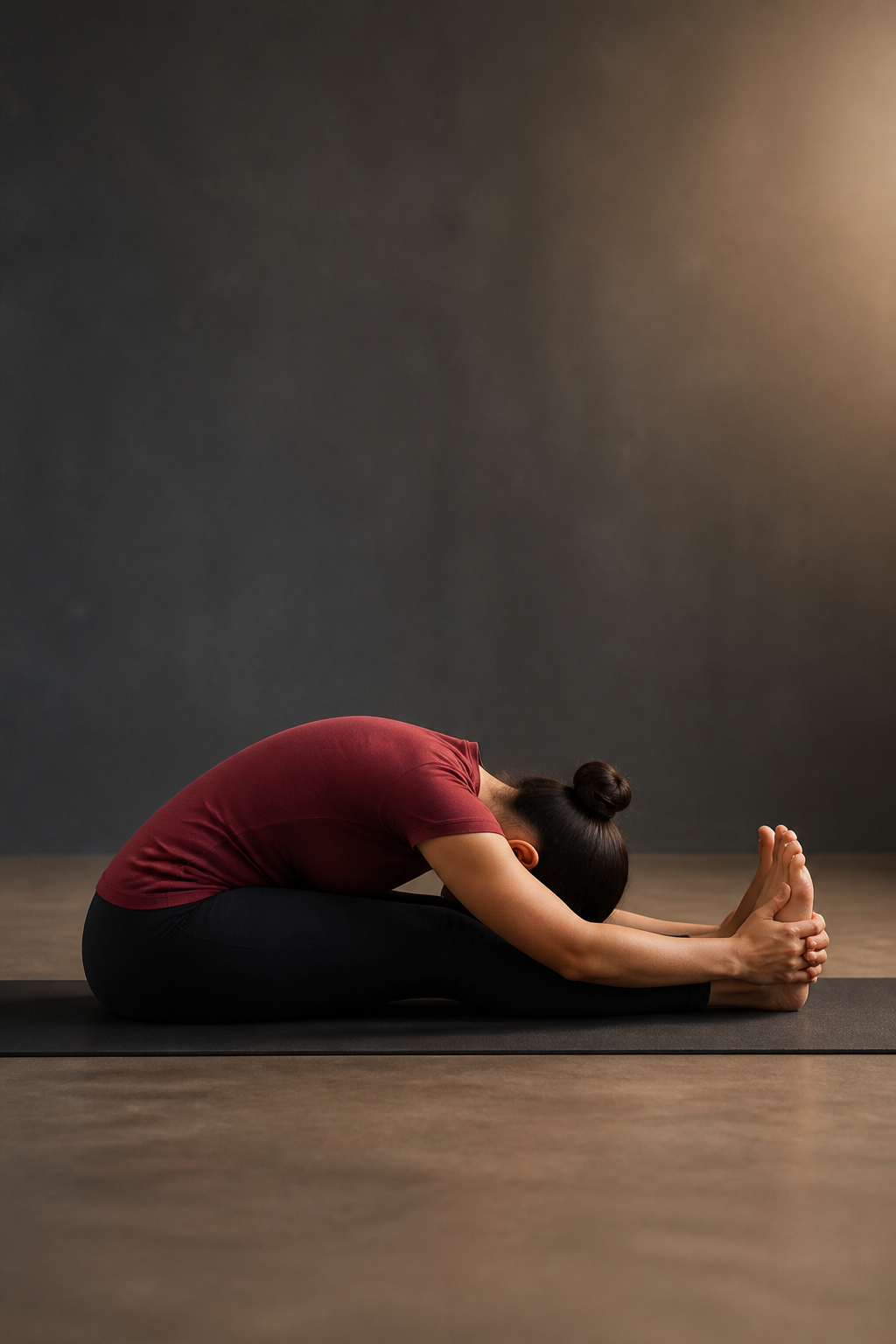
Head-to-Knee Pose and Stretching Pose
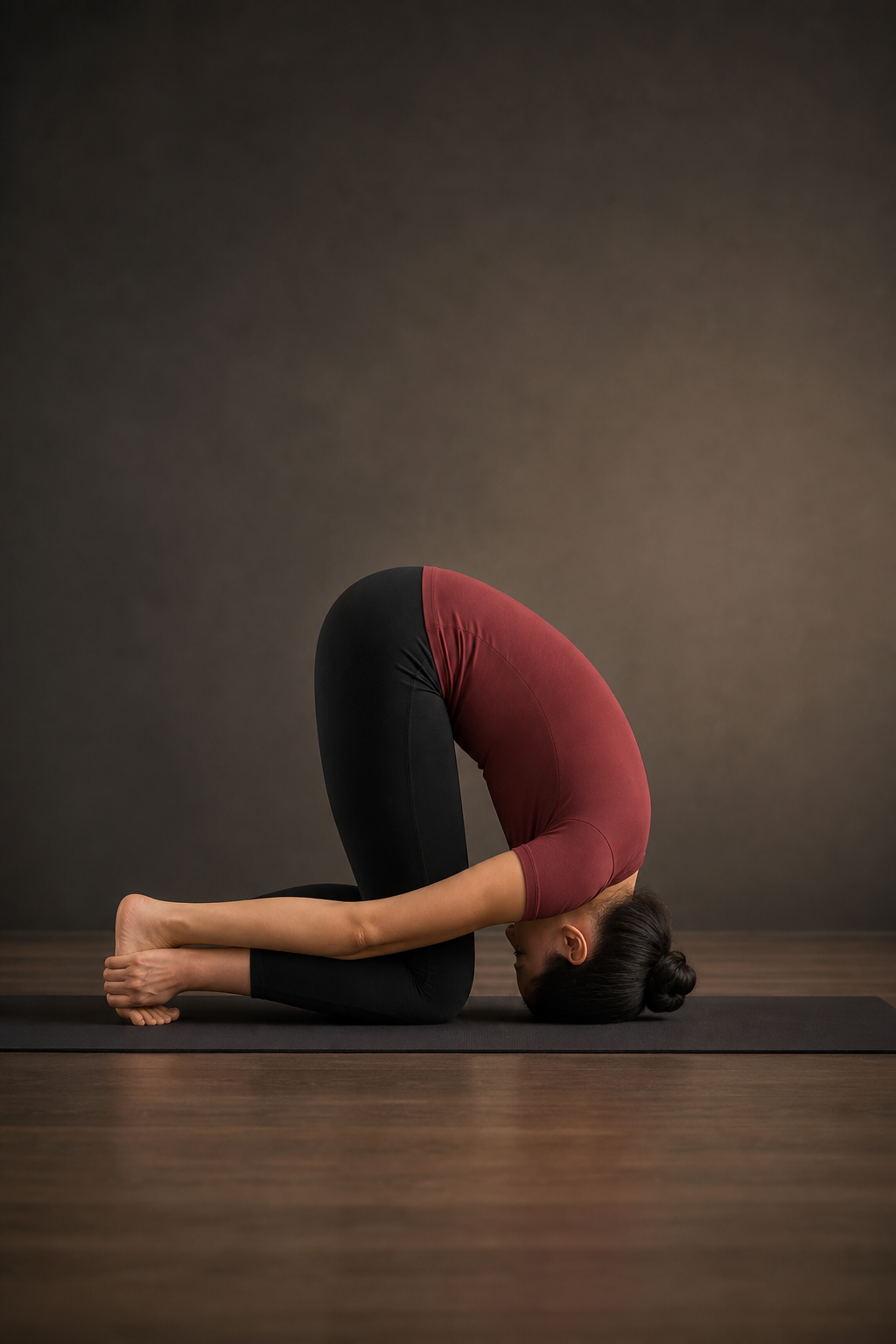
Janushirasana & Paschimottanasana supports an intense seated stretch targeting the Achilles tendon and hamstrings that often limit Standing Head-to-Knee earlier in class, while increasing circulation to the digestive organs.

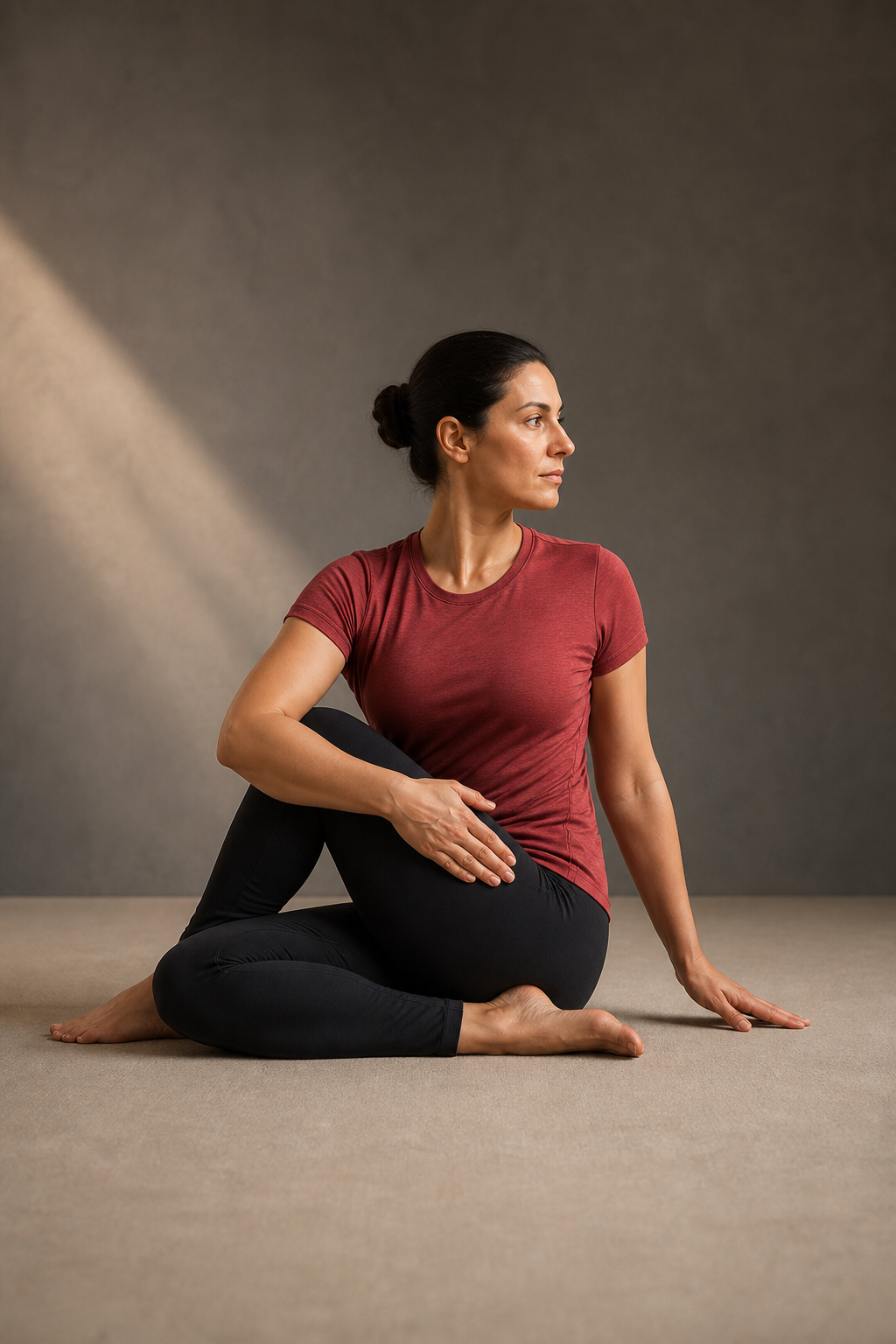
Spine-Twisting Pose
Ardha Matsyendrasana supports the only posture that twists the spine fully from top to bottom, helping realign the spinal discs and considered the most important closing posture for spinal health.

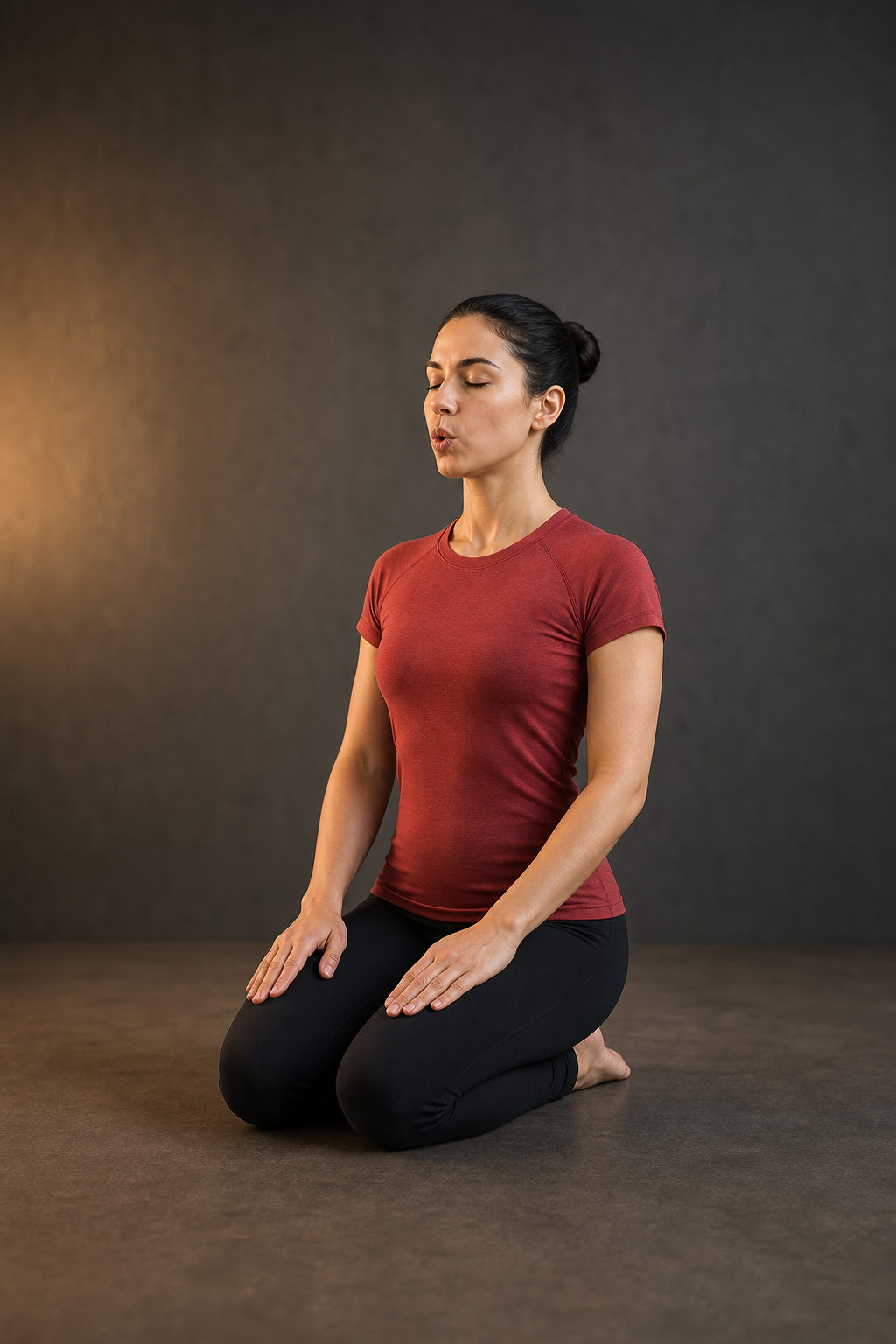
Blowing in Firm Pose
Kapalbhati in Vajrasana supports a fast, forceful breathing exercise that closes class, clearing stale air from the lungs, improving lung elasticity, and calming the nervous system before final rest.
The Bikram yoga sequence follows the same 26 postures in a fixed order, beginning with Standing Deep Breathing and ending with Blowing in Firm. This interactive Bikram yoga 26 poses guide lets you study every posture by difficulty, focus area, and benefit while keeping its original sequence number visible.
Continue exploring