Yoga Instructor Job Description: Duties, Skills & Career
By Ian Terry, E-RYT 500 · Updated
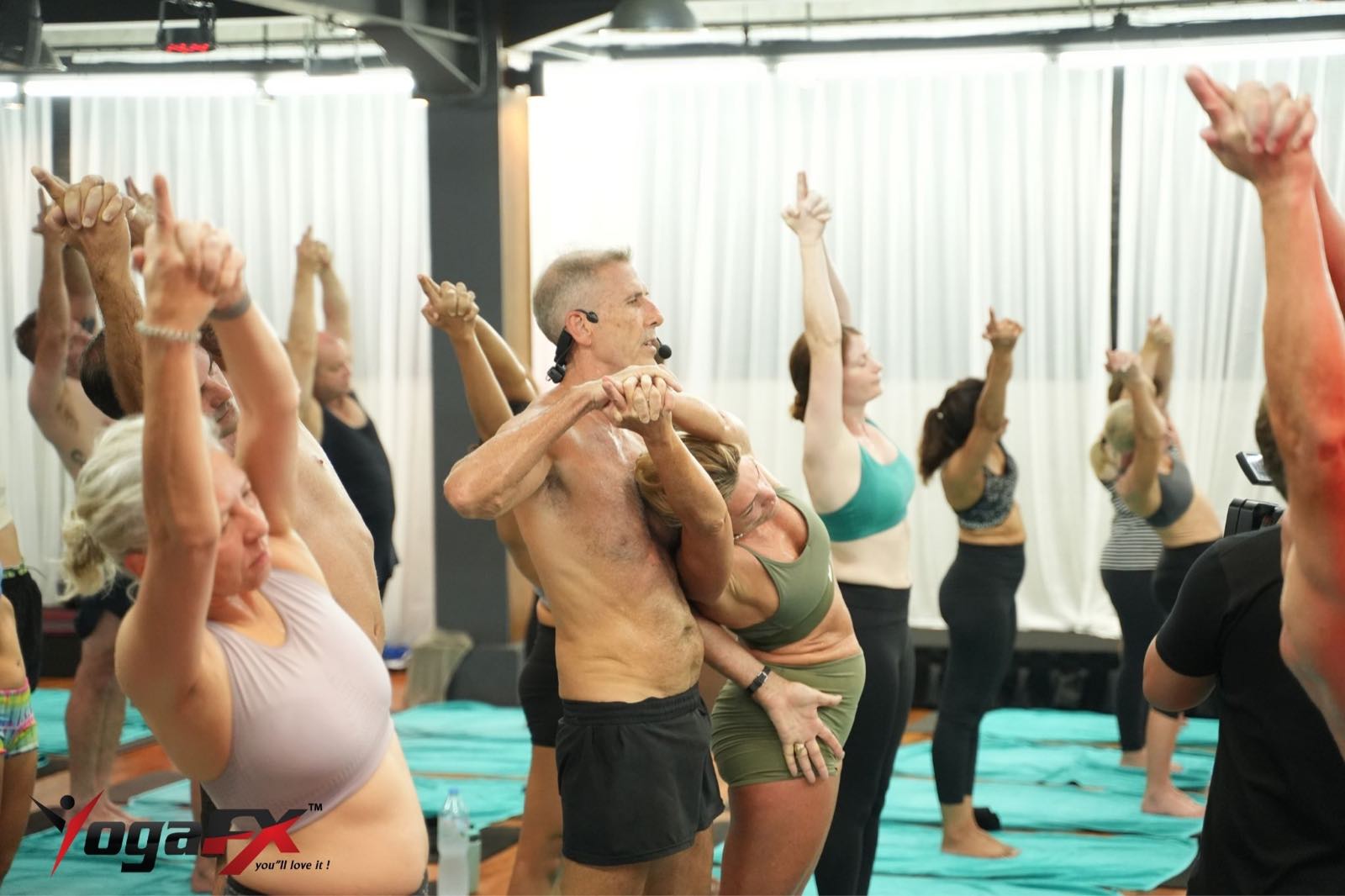
A yoga instructor leads group or individual sessions that teach physical postures, breathing techniques, and meditation to support movement, wellbeing, and relaxation. The role also requires planning, observation, adaptation, room management, and professional work before and after each session.
What Does a Yoga Instructor Do?
A yoga instructor turns training into a class that real people can follow. The teacher leads group or private sessions, chooses an appropriate sequence, explains poses and movement, guides controlled breathing or pranayama, introduces mindful meditation, watches the room, offers variations, keeps time, and responds when someone becomes unwell.
Unsure whether the role should be called teacher, instructor, yogi, or guru? Read what to call a yoga instructor and how each title differs.
What does a yoga teacher do beyond class? Teachers prepare, communicate with studios or clients, record attendance, inspect equipment, manage music and room conditions, report incidents, continue studying, maintain insurance, and handle invoices or marketing when self-employed.
The titles “teacher” and “instructor” are usually interchangeable in job advertisements. Read the actual duties. A fitness-club role, hot-yoga studio timetable, private therapeutic-style session, retreat, and online membership each create different responsibilities.
Key Duties and Responsibilities
Lead classes: plan and run structured, safe sessions with a sequence, pace, intensity, and teaching language suited to the advertised skill level.
Demonstrate poses: show useful examples of posture, alignment, movement, and transitions while continuing to observe the students.
Modify poses: offer more accessible or more challenging options for individual ability, goals, and known limitations without diagnosing or treating an injury.
Guide breathing and meditation: teach controlled breathing techniques and age-appropriate mindfulness or relaxation practices within the instructor's training.
Ensure safety: watch students closely, inspect floors and equipment, manage spacing, understand exits, recognize distress, and follow emergency procedures.
Respect consent and boundaries: explain touch policies, obtain meaningful consent, protect privacy, and remain within scope.
Manage the session: start and finish on time, welcome newcomers, maintain atmosphere, and handle interruptions professionally.
Complete administration: record attendance, communicate changes, report incidents, invoice accurately, and protect client data.
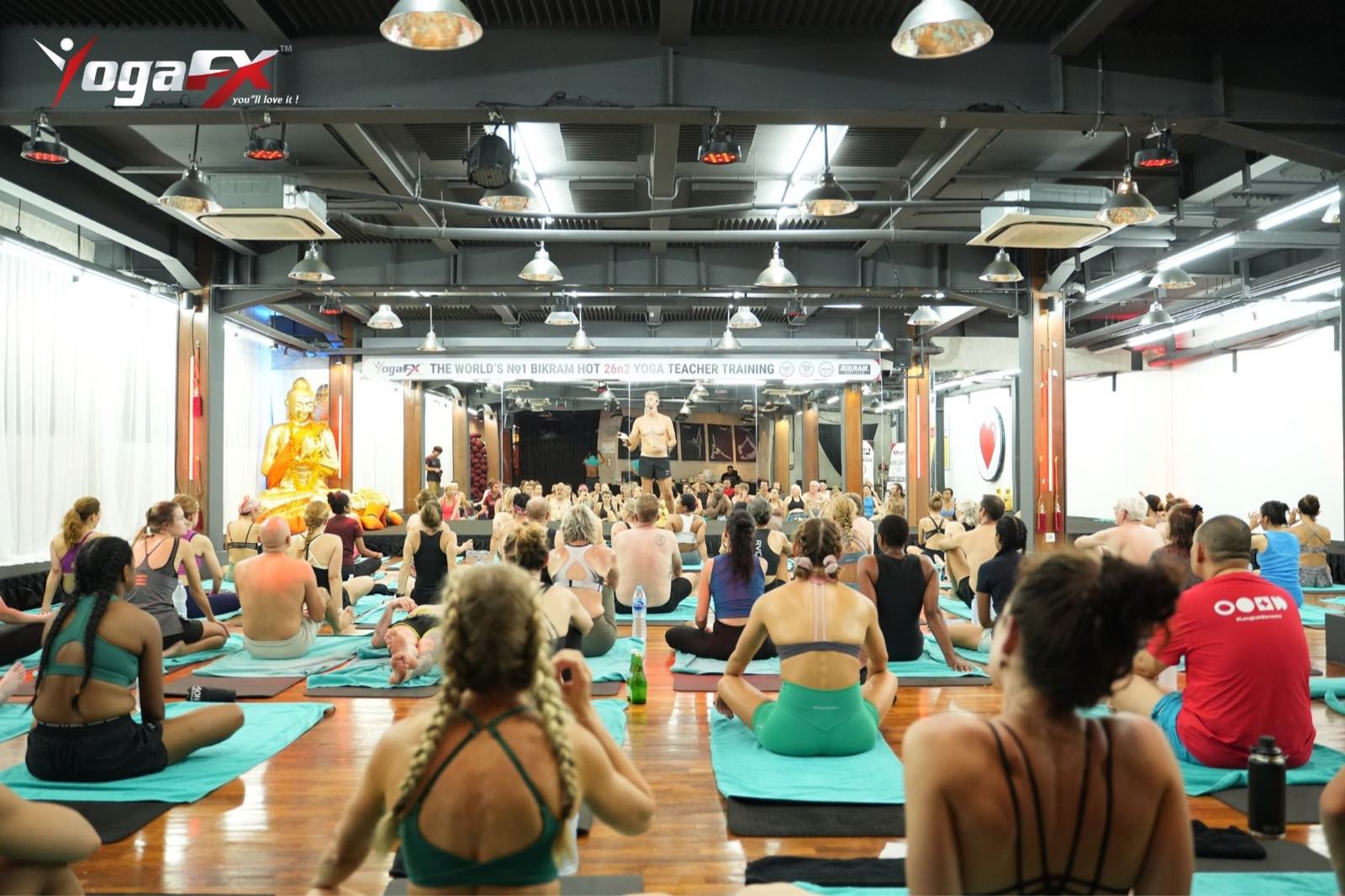
In hot yoga, duties also include monitoring room conditions, explaining hydration and rest options, identifying heat-illness warning signs, and never using pressure to keep an unwell person in the room.
Essential Yoga Instructor Skills
Communication: speak clearly with a calm, patient, and encouraging voice. Students need language they can process while moving. Strong teachers vary tone and detail, pronounce key terms consistently, and know when silence is useful.
Physical fitness: maintain enough stamina, mobility, strength, and body awareness to teach reliably and demonstrate when a visual example is useful. An instructor does not need to perform the most advanced expression of every pose.
Empathy: connect with students, listen without judgment, and respect individual limits, experience, culture, and goals. Empathy supports inclusion but does not authorize medical diagnosis.
Knowledge: understand foundational anatomy, physiology, movement principles, contraindications, heat or environment risks, and emergency procedures relevant to the classes being taught.
Observation and judgment: teach the room that exists rather than the plan on paper. Recognize when a variation is appropriate, when a student needs space, and when an issue belongs with a healthcare professional.
Reliability: arrive early, find cover promptly, maintain credentials, communicate respectfully, and leave the room ready for the next class. These habits often determine whether a teacher receives a regular schedule.
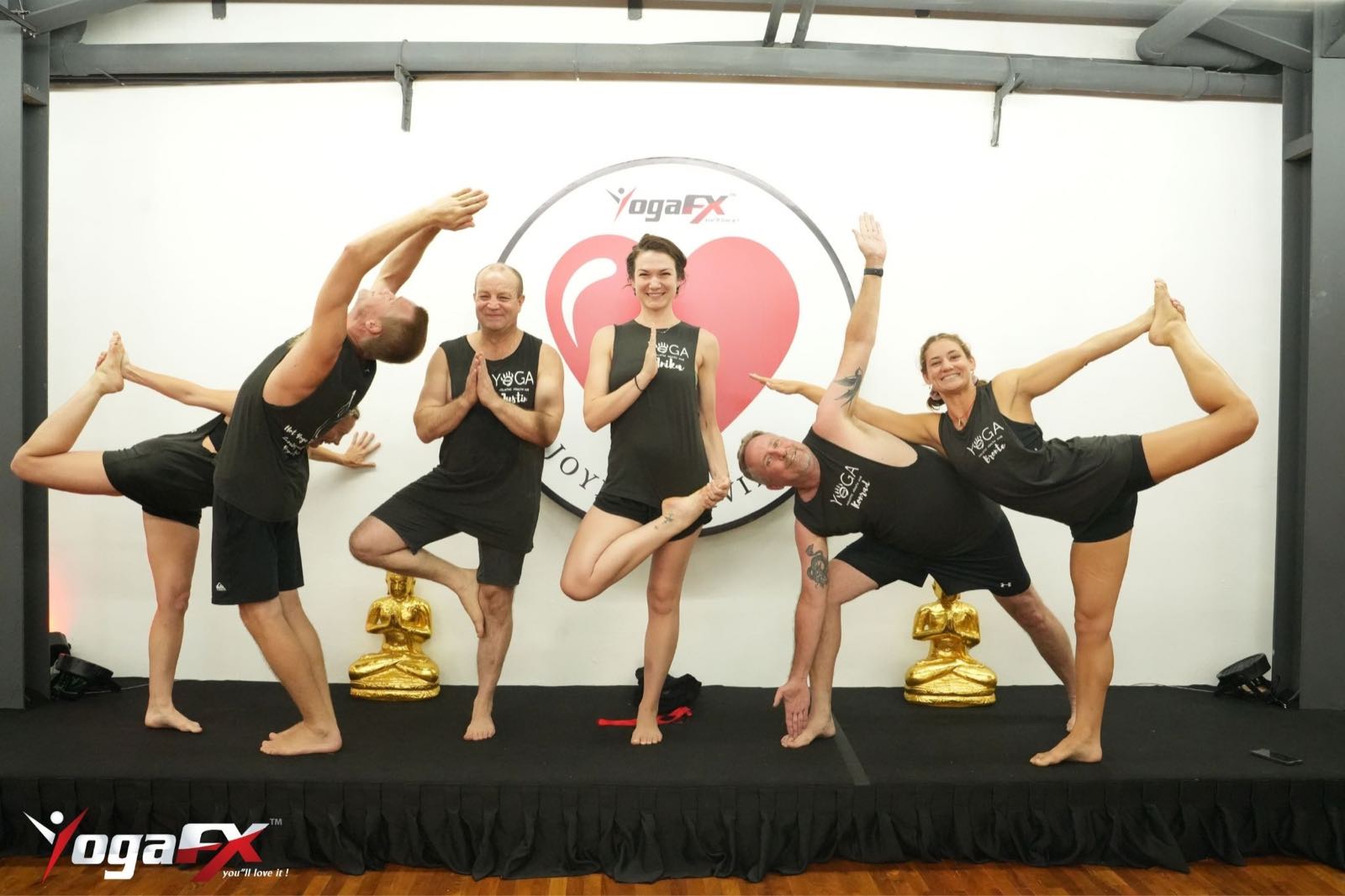
Other useful skills include anatomy literacy, sequencing, voice projection, time management, conflict resolution, inclusive teaching, sales without pressure, basic digital tools, and professional self-reflection.
Career Qualifications and Certification Requirements
There is no single global licence called “yoga instructor.” Requirements depend on jurisdiction, venue, insurer, and population. Many studios use a completed 200-hour yoga teacher training as the entry benchmark and then assess candidates through an audition.
Training: complete a structured 200-hour entry program or continue to a 500-hour level when deeper study supports your career. Yoga Alliance does not directly certify individual courses or teachers. A graduate normally completes eligible training with a Registered Yoga School and may then apply separately for an RYT credential. Check the current Yoga Alliance RYS credential standards rather than relying on a logo alone.
Workplace certifications: employers may require current CPR and First Aid certification so the teacher can respond appropriately while professional medical help is being arranged. Safeguarding, background checks, liability insurance, and work authorization can also apply.
Workplaces: yoga instructors teach at gyms, private studios, resorts, community facilities, workplaces, retreats, private homes, parks, and online platforms. Each setting can have different contracts, insurance, equipment, and emergency requirements.
Pregnancy, children, older adults, injuries, clinical populations, aerial equipment, and heated rooms can require skills beyond a general certificate. Training should match the classes you accept. See the certified yoga instructor pathway and compare the YogaFX teacher training curriculum.

What Being a Yoga Instructor Looks Like Day to Day
A one-hour class can require travel, arrival and setup, student questions, the taught session, cleaning, notes, and follow-up. A teacher paid per class may not be paid separately for every surrounding task. Sustainable scheduling must account for the whole block.
Before class, review the level, room, equipment, bookings, and known accommodations. During class, teach, watch, pace, and respond. Afterwards, allow safe exit time, document incidents, return equipment, communicate issues, and prepare for the next engagement.
Independent instructors add contracts, marketing, payments, taxes, insurance, venue hire, cancellations, data protection, and client acquisition. These business duties are part of the yoga instructor profession even though students rarely see them.
Where Yoga Instructors Work
Common settings include independent studios, gyms, resorts, schools, workplaces, community centers, private homes, parks, retreats, and online platforms. An employee may receive a timetable and operational support. A contractor usually manages more tax, insurance, travel, and administration.
Read contracts carefully. Clarify pay per class or hour, attendance bonuses, minimum guarantees, cancellation pay, preparation duties, substitute expectations, exclusivity, image rights, student data, and responsibility for equipment. Confirm your yoga instructor liability insurance matches every teaching format.
Yoga Instructor Career Information and Progression
Many instructors start with substitute or part-time classes while developing teaching fluency. A regular schedule may grow through reliability, student retention, auditions, and relationships, not certification alone. Later options include private clients, workshops, retreats, online programs, studio management, mentoring, or specialist education.
Gross class rates do not equal take-home income. Deduct travel, preparation, tax, insurance, cancellations, training, marketing, and physical recovery. Use the yoga teacher salary guide and teacher income calculator to model a realistic schedule.
What a Yoga Teacher Job Description Should State
A clear job posting should include the role title, class style and level, location, schedule, pay basis, employment status, reporting line, participant capacity, and expected preparation or cleaning. It should list required training, experience, insurance, first aid, work authorization, safeguarding, and audition steps.
It should also explain cancellation terms, substitute arrangements, equipment responsibility, opening or closing duties, data handling, incident reporting, social-media expectations, and whether recordings or photographs are required. Candidates should not have to guess which unpaid tasks surround the class.
Short sample: “Plan and lead safe 60- or 90-minute yoga classes; provide clear cues and appropriate variations; monitor participant wellbeing; maintain professional boundaries; prepare and reset the studio; record attendance and incidents; hold recognized teacher training, current insurance, and any locally required first-aid credential.”
Prepare a resume and sample class plan
If you plan to apply for yoga instructor jobs or build an independent practice, prepare a concise teaching resume and a sample class plan. The resume should show training, registration, First Aid or CPR, insurance, teaching styles, relevant experience, and availability. The class plan should state the level, duration, objective, sequence, breathing or meditation element, modifications, timing, and safety considerations.
Use the requirements in the job advertisement rather than sending one generic application everywhere. A strong resume explains why your qualifications fit that specific role, while the sample plan demonstrates that you can turn knowledge into a coherent and teachable session.
If you are celebrating a new teacher's qualification or first studio role, use our practical yoga teacher gift ideas to choose something useful without guessing their equipment preferences.
Frequently Asked Questions
What does a yoga instructor do?
A yoga instructor plans and leads classes, demonstrates and explains movements, observes students, offers appropriate variations, manages time and room safety, responds to incidents, and completes administrative work such as attendance and communication.
What is the difference between a yoga teacher and yoga instructor?
Employers often use the titles interchangeably. Instructor can emphasize leading physical classes, while teacher may imply broader study of breathing, philosophy, or mentoring. The actual scope comes from the job description, training, insurance, and local rules.
What qualifications does a yoga instructor need?
Many studios expect a recognized 200-hour teacher training certificate, an audition, current liability insurance, and sometimes first aid or CPR. Yoga Alliance registration is a professional credential rather than a universal government licence. Requirements vary by employer and country.
What skills should a yoga instructor have?
Core skills include clear verbal communication, observation, safe sequencing, accessible modification, consent-aware teaching, time management, calm decision-making, professionalism, and the ability to work within training and scope.
Does a yoga instructor need certification?
No single worldwide law governs yoga certification, but most credible studios and insurers expect documented training. A 200-hour program is a common entry credential. Specialized classes may require additional education and experience.
Is being a yoga instructor a full-time career?
It can be, but many teachers begin part time and combine studio classes with private sessions, workshops, retreats, online work, administration, or another job. Sustainable income depends on paid rate, schedule, travel, cancellations, expenses, and physical workload.
What should a yoga instructor job description include?
It should state class types, location, schedule, employment status, preparation and cleaning duties, pay basis, cancellation terms, required credentials, insurance, first aid, safeguarding, data handling, reporting, and responsibility for equipment or opening and closing.